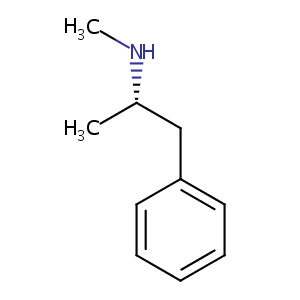
| DOT Name |
DOT ID |
UniProt ID |
Mode of Action |
REF |
|
D(2) dopamine receptor (DRD2)
|
OTBLXKEG
|
DRD2_HUMAN
|
Increases Response To Substance
|
[18] |
|
PRKCA-binding protein (PICK1)
|
OT8QE6EU
|
PICK1_HUMAN
|
Increases Response To Substance
|
[19] |
|
Zeta-sarcoglycan (SGCZ)
|
OTVGTEOD
|
SGCZ_HUMAN
|
Affects Response To Substance
|
[14] |
|
Cytosolic carboxypeptidase 4 (AGBL1)
|
OT8NQLH0
|
CBPC4_HUMAN
|
Increases ADR
|
[20] |
|
Activator of apoptosis harakiri (HRK)
|
OTR4GWJ0
|
HRK_HUMAN
|
Increases Expression
|
[21] |
|
Baculoviral IAP repeat-containing protein 5 (BIRC5)
|
OTILXZYL
|
BIRC5_HUMAN
|
Decreases Expression
|
[21] |
|
Cell division control protein 45 homolog (CDC45)
|
OT6NNLOD
|
CDC45_HUMAN
|
Decreases Expression
|
[21] |
|
BAI1-associated protein 3 (BAIAP3)
|
OTS1H0J0
|
BAIP3_HUMAN
|
Increases Expression
|
[21] |
|
G2/mitotic-specific cyclin-B2 (CCNB2)
|
OTIEXTDK
|
CCNB2_HUMAN
|
Decreases Expression
|
[21] |
|
Kinesin-like protein KIF20A (KIF20A)
|
OTXOQHE0
|
KI20A_HUMAN
|
Decreases Expression
|
[21] |
|
ATP-binding cassette sub-family C member 6 (ABCC6)
|
OTZT0LKT
|
MRP6_HUMAN
|
Decreases Expression
|
[21] |
|
Keratin, type I cytoskeletal 14 (KRT14)
|
OTUVZ1DW
|
K1C14_HUMAN
|
Increases Expression
|
[21] |
|
Fatty acid-binding protein, heart (FABP3)
|
OT562DA1
|
FABPH_HUMAN
|
Increases Expression
|
[21] |
|
Galanin peptides (GAL)
|
OTB3VPTO
|
GALA_HUMAN
|
Increases Expression
|
[21] |
|
Phospholipase A2 group V (PLA2G5)
|
OTQRSKCZ
|
PA2G5_HUMAN
|
Increases Expression
|
[21] |
|
DNA-binding protein inhibitor ID-1 (ID1)
|
OTKGNZN5
|
ID1_HUMAN
|
Decreases Expression
|
[21] |
|
Actin, alpha cardiac muscle 1 (ACTC1)
|
OTJU04B1
|
ACTC_HUMAN
|
Decreases Expression
|
[21] |
|
Origin recognition complex subunit 1 (ORC1)
|
OTHWU8IJ
|
ORC1_HUMAN
|
Decreases Expression
|
[21] |
|
PCNA-associated factor (PCLAF)
|
OTMVIOUU
|
PAF15_HUMAN
|
Decreases Expression
|
[21] |
|
Disks large-associated protein 5 (DLGAP5)
|
OTWCN39U
|
DLGP5_HUMAN
|
Decreases Expression
|
[21] |
|
Centrosomal protein of 55 kDa (CEP55)
|
OTGSG2PA
|
CEP55_HUMAN
|
Decreases Expression
|
[21] |
|
Solute carrier organic anion transporter family member 4C1 (SLCO4C1)
|
OTVILUUN
|
SO4C1_HUMAN
|
Increases Expression
|
[21] |
|
Protein MCM10 homolog (MCM10)
|
OTV0O3JN
|
MCM10_HUMAN
|
Decreases Expression
|
[21] |
|
Ras guanyl-releasing protein 3 (RASGRP3)
|
OTEMEV3P
|
GRP3_HUMAN
|
Increases Expression
|
[21] |
|
Abnormal spindle-like microcephaly-associated protein (ASPM)
|
OTKXQMNA
|
ASPM_HUMAN
|
Decreases Expression
|
[21] |
|
CD177 antigen (CD177)
|
OTS79FNF
|
CD177_HUMAN
|
Increases Expression
|
[21] |
|
Holliday junction recognition protein (HJURP)
|
OTWMV16B
|
HJURP_HUMAN
|
Decreases Expression
|
[21] |
|
Interferon-stimulated gene 20 kDa protein (ISG20)
|
OTCWRJJW
|
ISG20_HUMAN
|
Increases Expression
|
[21] |
|
RAD51-associated protein 1 (RAD51AP1)
|
OTXM7UTD
|
R51A1_HUMAN
|
Decreases Expression
|
[21] |
|
Lymphokine-activated killer T-cell-originated protein kinase (PBK)
|
OT5Z27TW
|
TOPK_HUMAN
|
Decreases Expression
|
[21] |
|
Kinesin-like protein KIFC1 (KIFC1)
|
OTNQDS00
|
KIFC1_HUMAN
|
Decreases Expression
|
[21] |
|
Denticleless protein homolog (DTL)
|
OTC29RYE
|
DTL_HUMAN
|
Decreases Expression
|
[21] |
|
Adherens junction-associated protein 1 (AJAP1)
|
OTAAW121
|
AJAP1_HUMAN
|
Increases Expression
|
[21] |
|
2-oxoglutarate dehydrogenase-like, mitochondrial (OGDHL)
|
OT1AZK6R
|
OGDHL_HUMAN
|
Increases Expression
|
[21] |
|
Bcl-2-like protein 11 (BCL2L11)
|
OTNQQWFJ
|
B2L11_HUMAN
|
Increases Expression
|
[22] |
|
E3 ubiquitin-protein ligase parkin (PRKN)
|
OTJBN41W
|
PRKN_HUMAN
|
Decreases Expression
|
[23] |
|
Serine/threonine-protein kinase/endoribonuclease IRE1 (ERN1)
|
OTY9R6FZ
|
ERN1_HUMAN
|
Increases Phosphorylation
|
[12] |
|
T-cell surface glycoprotein CD3 delta chain (CD3D)
|
OTRBLP0R
|
CD3D_HUMAN
|
Increases Expression
|
[24] |
|
Amyloid-beta precursor protein (APP)
|
OTKFD7R4
|
A4_HUMAN
|
Increases Expression
|
[25] |
|
Transcription factor Jun (JUN)
|
OTCYBO6X
|
JUN_HUMAN
|
Increases Activity
|
[26] |
|
Synaptophysin (SYP)
|
OTFJKMO4
|
SYPH_HUMAN
|
Decreases Expression
|
[27] |
|
Poly polymerase 1 (PARP1)
|
OT310QSG
|
PARP1_HUMAN
|
Decreases Cleavage
|
[28] |
|
Cyclic AMP-dependent transcription factor ATF-4 (ATF4)
|
OTRFV19J
|
ATF4_HUMAN
|
Increases Expression
|
[12] |
|
Cyclic AMP-dependent transcription factor ATF-6 alpha (ATF6)
|
OTAFHAVI
|
ATF6A_HUMAN
|
Increases Cleavage
|
[12] |
|
Troponin I, cardiac muscle (TNNI3)
|
OT65E12V
|
TNNI3_HUMAN
|
Increases Expression
|
[29] |
|
Nuclear factor NF-kappa-B p105 subunit (NFKB1)
|
OTNRRD8I
|
NFKB1_HUMAN
|
Increases Activity
|
[26] |
|
D(1A) dopamine receptor (DRD1)
|
OTLZPBT7
|
DRD1_HUMAN
|
Increases Expression
|
[30] |
|
Solute carrier family 2, facilitated glucose transporter member 5 (SLC2A5)
|
OTZNYEKF
|
GTR5_HUMAN
|
Increases Expression
|
[31] |
|
Mitogen-activated protein kinase 3 (MAPK3)
|
OTCYKGKO
|
MK03_HUMAN
|
Affects Phosphorylation
|
[25] |
|
Mitogen-activated protein kinase 1 (MAPK1)
|
OTH85PI5
|
MK01_HUMAN
|
Affects Phosphorylation
|
[25] |
|
Sodium-dependent serotonin transporter (SLC6A4)
|
OT6FGDLW
|
SC6A4_HUMAN
|
Decreases Expression
|
[32] |
|
D(3) dopamine receptor (DRD3)
|
OT0OFFKB
|
DRD3_HUMAN
|
Decreases Expression
|
[33] |
|
DNA damage-inducible transcript 3 protein (DDIT3)
|
OTI8YKKE
|
DDIT3_HUMAN
|
Increases Expression
|
[12] |
|
Tuberin (TSC2)
|
OT47LWI9
|
TSC2_HUMAN
|
Increases Phosphorylation
|
[23] |
|
BH3-interacting domain death agonist (BID)
|
OTOSHSHU
|
BID_HUMAN
|
Increases Expression
|
[22] |
|
Transcription factor p65 (RELA)
|
OTUJP9CN
|
TF65_HUMAN
|
Affects Localization
|
[34] |
|
Bcl-2-like protein 1 (BCL2L1)
|
OTRC5K9O
|
B2CL1_HUMAN
|
Decreases Expression
|
[22] |
|
Bcl-2 homologous antagonist/killer (BAK1)
|
OTDP6ILW
|
BAK_HUMAN
|
Increases Expression
|
[22] |
|
Inactive caspase-12 (CASP12)
|
OTY2W6FG
|
CASPC_HUMAN
|
Increases Expression
|
[24] |
|
Bcl-2-binding component 3, isoforms 3/4 (BBC3)
|
OTUAXDAY
|
BBC3B_HUMAN
|
Increases Expression
|
[22] |
|
Tribbles homolog 3 (TRIB3)
|
OTG5OS7X
|
TRIB3_HUMAN
|
Increases Expression
|
[23] |
|
1-phosphatidylinositol 4,5-bisphosphate phosphodiesterase beta-1 (PLCB1)
|
OT9HYT7A
|
PLCB1_HUMAN
|
Increases Expression
|
[35] |
|
Eukaryotic translation initiation factor 2-alpha kinase 3 (EIF2AK3)
|
OT0DZGY4
|
E2AK3_HUMAN
|
Increases Phosphorylation
|
[12] |
|
Long-chain-fatty-acid--CoA ligase 6 (ACSL6)
|
OT0TT8P8
|
ACSL6_HUMAN
|
Affects Response To Substance
|
[14] |
|
Mu-type opioid receptor (OPRM1)
|
OT16AAT8
|
OPRM_HUMAN
|
Increases Response To Substance
|
[36] |
|
Flavin-containing monooxygenase 3 (FMO3)
|
OT1G2EV3
|
FMO3_HUMAN
|
Increases Metabolism
|
[37] |
|
3',5'-cyclic-AMP phosphodiesterase 4D (PDE4D)
|
OT1RWFV0
|
PDE4D_HUMAN
|
Affects Response To Substance
|
[14] |
|
Coiled-coil alpha-helical rod protein 1 (CCHCR1)
|
OT22C116
|
CCHCR_HUMAN
|
Affects Response To Substance
|
[14] |
|
5-hydroxytryptamine receptor 1A (HTR1A)
|
OT38K9MK
|
5HT1A_HUMAN
|
Increases Response To Substance
|
[38] |
|
Sodium-dependent dopamine transporter (SLC6A3)
|
OT39XG28
|
SC6A3_HUMAN
|
Increases Response To Substance
|
[39] |
|
Leucine-rich repeat and immunoglobulin-like domain-containing nogo receptor-interacting protein 2 (LINGO2)
|
OT3N88Q1
|
LIGO2_HUMAN
|
Affects Response To Substance
|
[14] |
|
Rap guanine nucleotide exchange factor 5 (RAPGEF5)
|
OT53VS75
|
RPGF5_HUMAN
|
Affects Response To Substance
|
[14] |
|
Cubilin (CUBN)
|
OT5A9HD3
|
CUBN_HUMAN
|
Affects Response To Substance
|
[14] |
|
Regulator of G-protein signaling 17 (RGS17)
|
OT5RVUDS
|
RGS17_HUMAN
|
Affects Response To Substance
|
[14] |
|
Dual specificity mitogen-activated protein kinase kinase 5 (MAP2K5)
|
OT6T408U
|
MP2K5_HUMAN
|
Affects Response To Substance
|
[14] |
|
RNA-binding protein Raly (RALY)
|
OT78NNWY
|
RALY_HUMAN
|
Affects Response To Substance
|
[14] |
|
Collagen alpha-1(XXVIII) chain (COL28A1)
|
OT78UJD5
|
COSA1_HUMAN
|
Affects Response To Substance
|
[14] |
|
FK506-binding protein 15 (FKBP15)
|
OT7NQJAU
|
FKB15_HUMAN
|
Affects Response To Substance
|
[14] |
|
Mitochondrial amidoxime reducing component 2 (MTARC2)
|
OT8B6LVD
|
MARC2_HUMAN
|
Affects Response To Substance
|
[14] |
|
5-hydroxytryptamine receptor 6 (HTR6)
|
OT8GTDDY
|
5HT6R_HUMAN
|
Increases Response To Substance
|
[40] |
|
PR domain zinc finger protein 2 (PRDM2)
|
OT8L7CGX
|
PRDM2_HUMAN
|
Affects Response To Substance
|
[14] |
|
D(4) dopamine receptor (DRD4)
|
OTAJTO7N
|
DRD4_HUMAN
|
Increases Response To Substance
|
[41] |
|
Unconventional myosin-Vb (MYO5B)
|
OTCKL3W3
|
MYO5B_HUMAN
|
Affects Response To Substance
|
[14] |
|
Cadherin-13 (CDH13)
|
OTD2CYM5
|
CAD13_HUMAN
|
Affects Response To Substance
|
[14] |
|
POU domain, class 5, transcription factor 1 (POU5F1)
|
OTDHHN7O
|
PO5F1_HUMAN
|
Affects Response To Substance
|
[14] |
|
Transient receptor potential cation channel subfamily M member 3 (TRPM3)
|
OTE4CDOQ
|
TRPM3_HUMAN
|
Affects Response To Substance
|
[14] |
|
Cone cGMP-specific 3',5'-cyclic phosphodiesterase subunit alpha' (PDE6C)
|
OTE7EVWQ
|
PDE6C_HUMAN
|
Affects Response To Substance
|
[14] |
|
Proenkephalin-B (PDYN)
|
OTEJ6430
|
PDYN_HUMAN
|
Increases Response To Substance
|
[42] |
|
Astrotactin-2 (ASTN2)
|
OTF0W2FJ
|
ASTN2_HUMAN
|
Affects Response To Substance
|
[14] |
|
Dendritic cell-specific transmembrane protein (DCSTAMP)
|
OTFKRP2H
|
DCSTP_HUMAN
|
Affects Response To Substance
|
[14] |
|
Gamma-aminobutyric acid receptor subunit gamma-2 (GABRG2)
|
OTGNDWUO
|
GBRG2_HUMAN
|
Increases Response To Substance
|
[43] |
|
Bis(5'-adenosyl)-triphosphatase (FHIT)
|
OTGWBSLA
|
FHIT_HUMAN
|
Affects Response To Substance
|
[14] |
|
CUB and sushi domain-containing protein 1 (CSMD1)
|
OTIVDSC4
|
CSMD1_HUMAN
|
Affects Response To Substance
|
[14] |
|
Superoxide dismutase , mitochondrial (SOD2)
|
OTIWXGZ9
|
SODM_HUMAN
|
Increases Response To Substance
|
[44] |
|
E3 ubiquitin-protein ligase SH3RF3 (SH3RF3)
|
OTK9VVUU
|
SH3R3_HUMAN
|
Affects Response To Substance
|
[14] |
|
Mitochondrial amidoxime-reducing component 1 (MTARC1)
|
OTNBE033
|
MARC1_HUMAN
|
Affects Response To Substance
|
[14] |
|
Heparan sulfate glucosamine 3-O-sulfotransferase 4 (HS3ST4)
|
OTO0UBFN
|
HS3S4_HUMAN
|
Affects Response To Substance
|
[14] |
|
3',5'-cyclic-AMP phosphodiesterase 4B (PDE4B)
|
OTOA8WU2
|
PDE4B_HUMAN
|
Affects Response To Substance
|
[14] |
|
Acyloxyacyl hydrolase (AOAH)
|
OTOYBXKW
|
AOAH_HUMAN
|
Affects Response To Substance
|
[14] |
|
cGMP-dependent protein kinase 1 (PRKG1)
|
OTPAS4LF
|
KGP1_HUMAN
|
Affects Response To Substance
|
[14] |
|
Alpha-synuclein (SNCA)
|
OTPWC1MR
|
SYUA_HUMAN
|
Increases Response To Substance
|
[45] |
|
Procollagen C-endopeptidase enhancer 2 (PCOLCE2)
|
OTSUEQZ1
|
PCOC2_HUMAN
|
Affects Response To Substance
|
[14] |
|
Adenylate kinase isoenzyme 5 (AK5)
|
OTTGXLOT
|
KAD5_HUMAN
|
Affects Response To Substance
|
[14] |
|
PH and SEC7 domain-containing protein 3 (PSD3)
|
OTTN9B9O
|
PSD3_HUMAN
|
Affects Response To Substance
|
[14] |
|
Plasma serine protease inhibitor (SERPINA5)
|
OTTZXPGD
|
IPSP_HUMAN
|
Affects Response To Substance
|
[14] |
|
Xylosyl- and glucuronyltransferase LARGE1 (LARGE1)
|
OTUH7H9F
|
LARG1_HUMAN
|
Affects Response To Substance
|
[14] |
|
Adenosine receptor A2a (ADORA2A)
|
OTVRBZ0I
|
AA2AR_HUMAN
|
Increases Response To Substance
|
[46] |
|
Pro-neuregulin-1, membrane-bound isoform (NRG1)
|
OTZO6F1X
|
NRG1_HUMAN
|
Affects Response To Substance
|
[14] |
| ------------------------------------------------------------------------------------ |
|
|
|
|