General Information of Drug Combination (ID: DCJWH6E)

Drug Combination Name
Plicamycin Isoniazid
Indication
Disease Entry Status REF
Astrocytoma Investigative [1]
Component Drugs Plicamycin   DM7C8YV Isoniazid   DM5JVS3
Small molecular drug Small molecular drug
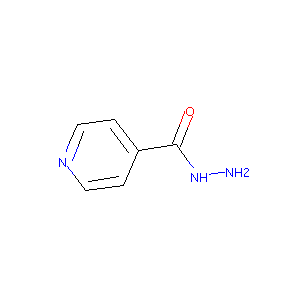
2D MOL 2D MOL
3D MOL is unavailable 3D MOL
High-throughput Screening Result Testing Cell Line: SNB-19
Zero Interaction Potency (ZIP) Score: 3.41
Bliss Independence Score: 7.56
Loewe Additivity Score: 1.86
LHighest Single Agent (HSA) Score: 0.81

Molecular Interaction Atlas of This Drug Combination

Molecular Interaction Atlas (MIA)
Indication(s) of Plicamycin
Disease Entry ICD 11 Status REF
Hypercalcaemia 5B91.0 Approved [2]
Testicular cancer 2C80 Approved [2]
Solid tumour/cancer 2A00-2F9Z Withdrawn from market [3]
Lung cancer 2C25.0 Investigative [4]
Ovarian cancer 2C73 Investigative [4]
Plicamycin Interacts with 1 DTT Molecule(s)
DTT Name DTT ID UniProt ID Mode of Action REF
RNA synthesis (hRNA synth) TTX2AYW NOUNIPROTAC Modulator [8]
------------------------------------------------------------------------------------
Plicamycin Interacts with 8 DOT Molecule(s)
DOT Name DOT ID UniProt ID Mode of Action REF
17-beta-hydroxysteroid dehydrogenase type 2 (HSD17B2) OT3K7HY5 DHB2_HUMAN Decreases Expression [9]
Baculoviral IAP repeat-containing protein 5 (BIRC5) OTILXZYL BIRC5_HUMAN Decreases Expression [10]
Proto-oncogene tyrosine-protein kinase Src (SRC) OTETYX40 SRC_HUMAN Decreases Expression [11]
Tyrosine-protein kinase receptor UFO (AXL) OTKA2SUX UFO_HUMAN Decreases Expression [12]
Transcription factor Sp3 (SP3) OTYDQZ1T SP3_HUMAN Decreases Expression [7]
Epidermal growth factor receptor kinase substrate 8 (EPS8) OTZ6ES6V EPS8_HUMAN Decreases Expression [11]
TNFAIP3-interacting protein 1 (TNIP1) OTRAOTEW TNIP1_HUMAN Decreases Expression [13]
Sphingomyelin phosphodiesterase 3 (SMPD3) OTHQBETH NSMA2_HUMAN Decreases Expression [14]
------------------------------------------------------------------------------------
⏷ Show the Full List of 8 DOT(s)
Indication(s) of Isoniazid
Disease Entry ICD 11 Status REF
Latent tuberculosis infection N.A. Approved [5]
Pulmonary tuberculosis 1B10.Z Approved [5]
Tuberculosis 1B10-1B1Z Approved [6]
Isoniazid Interacts with 1 DTT Molecule(s)
DTT Name DTT ID UniProt ID Mode of Action REF
Bacterial Fatty acid synthetase I (Bact inhA) TTVTX4N INHA_MYCTU Inhibitor [16]
------------------------------------------------------------------------------------
Isoniazid Interacts with 3 DME Molecule(s)
DME Name DME ID UniProt ID Mode of Action REF
Cytochrome P450 2E1 (CYP2E1) DEVDYN7 CP2E1_HUMAN Metabolism [17]
Catalase-peroxidase (katG) DEAGY5M KATG_SYNE7 Metabolism [18]
Arylamine N-acetyltransferase (NAT) DEXCQTM A0A3P8LE58_TSUPA Metabolism [19]
------------------------------------------------------------------------------------
Isoniazid Interacts with 28 DOT Molecule(s)
DOT Name DOT ID UniProt ID Mode of Action REF
N-alpha-acetyltransferase 20 (NAA20) OTJB0VA6 NAA20_HUMAN Increases ADR [20]
Nuclear protein 1 (NUPR1) OT4FU8C0 NUPR1_HUMAN Increases Expression [21]
Inhibin beta E chain (INHBE) OTOI2NYG INHBE_HUMAN Increases Expression [21]
Protein DEPP1 (DEPP1) OTB36PHJ DEPP1_HUMAN Increases Expression [21]
Aldo-keto reductase family 1 member B10 (AKR1B10) OTOA4HTH AK1BA_HUMAN Increases Expression [15]
Interleukin-12 subunit alpha (IL12A) OTDQT8GI IL12A_HUMAN Increases Secretion [15]
Interleukin-12 subunit beta (IL12B) OT0JF8A3 IL12B_HUMAN Increases Secretion [15]
Sulfiredoxin-1 (SRXN1) OTYDBO4L SRXN1_HUMAN Increases Expression [15]
Gamma-butyrobetaine dioxygenase (BBOX1) OTKEX4RK BODG_HUMAN Increases Expression [22]
Sodium/potassium-transporting ATPase subunit beta-1 (ATP1B1) OTTO6ZP4 AT1B1_HUMAN Increases Expression [22]
Amyloid-beta precursor protein (APP) OTKFD7R4 A4_HUMAN Increases Expression [22]
14-3-3 protein sigma (SFN) OTLJCZ1U 1433S_HUMAN Decreases Expression [22]
DNA damage-inducible transcript 3 protein (DDIT3) OTI8YKKE DDIT3_HUMAN Decreases Expression [22]
Claudin-2 (CLDN2) OTRF3D6Y CLD2_HUMAN Increases Expression [22]
Large neutral amino acids transporter small subunit 1 (SLC7A5) OT2WPVXD LAT1_HUMAN Decreases Expression [22]
Tribbles homolog 3 (TRIB3) OTG5OS7X TRIB3_HUMAN Increases Expression [22]
Procollagen-lysine,2-oxoglutarate 5-dioxygenase 2 (PLOD2) OTKOZRZP PLOD2_HUMAN Increases Expression [23]
Albumin (ALB) OTVMM513 ALBU_HUMAN Affects Binding [24]
Antileukoproteinase (SLPI) OTUNFUU8 SLPI_HUMAN Increases Expression [25]
5-aminolevulinate synthase, non-specific, mitochondrial (ALAS1) OTQY6ZSF HEM1_HUMAN Increases Expression [26]
Ferrochelatase, mitochondrial (FECH) OTDWEI6C HEMH_HUMAN Decreases Expression [26]
Mitogen-activated protein kinase 3 (MAPK3) OTCYKGKO MK03_HUMAN Decreases Phosphorylation [27]
Mitogen-activated protein kinase 1 (MAPK1) OTH85PI5 MK01_HUMAN Decreases Phosphorylation [27]
Nuclear respiratory factor 1 (NRF1) OTOXWNV8 NRF1_HUMAN Decreases Expression [28]
Natural cytotoxicity triggering receptor 3 ligand 1 (NCR3LG1) OT15YWU7 NR3L1_HUMAN Increases Expression [29]
PTB-containing, cubilin and LRP1-interacting protein (PID1) OT5YJ7FI PCLI1_HUMAN Increases Expression [25]
Peroxisome proliferator-activated receptor gamma coactivator 1-alpha (PPARGC1A) OTHCDQ22 PRGC1_HUMAN Decreases Expression [28]
Arylamine N-acetyltransferase 2 (NAT2) OTBPDQOY ARY2_HUMAN Decreases Acetylation [30]
------------------------------------------------------------------------------------
⏷ Show the Full List of 28 DOT(s)

Test Results of This Drug Combination in Other Disease Systems

Indication DrugCom ID Cell Line Status REF
Glioma DCD0DFD SF-539 Investigative [1]
Plasma cell myeloma DC5U3GI RPMI-8226 Investigative [1]
Renal cell carcinoma DCP4KP2 SN12C Investigative [1]
Carcinoma DCAWGPP RXF 393 Investigative [31]
Malignant melanoma DCVNW9W LOX IMVI Investigative [32]
Prostate carcinoma DCR0ITM PC-3 Investigative [32]
------------------------------------------------------------------------------------
⏷ Show the Full List of 6 DrugCom(s)

References

1 CheMBL Affinity Phenotypic Cellular Interaction Assay ID: CHEMBL1125966
2 Drugs@FDA. U.S. Food and Drug Administration. U.S. Department of Health & Human Services. 2015
3 URL: http://www.guidetopharmacology.org Nucleic Acids Res. 2015 Oct 12. pii: gkv1037. The IUPHAR/BPS Guide to PHARMACOLOGY in 2016: towards curated quantitative interactions between 1300 protein targets and 6000 ligands. (Ligand id: 8394).
4 The Pluripotency Factor Musashi-2 Is a Novel Target for Lung Cancer Therapy.Ann Am Thorac Soc. 2018 Apr;15(Supplement_2):S124.
5 Isoniazid FDA Label
6 Novel agents in the management of Mycobacterium tuberculosis disease. Curr Med Chem. 2007;14(18):2000-8.
7 The activity of a novel mithramycin analog is related to its binding to DNA, cellular accumulation, and inhibition of Sp1-driven gene transcription. Chem Biol Interact. 2014 Aug 5;219:123-32. doi: 10.1016/j.cbi.2014.05.019. Epub 2014 Jun 4.
8 Role of magnesium ion in mithramycin-DNA interaction: binding of mithramycin-Mg2+ complexes with DNA. Biochemistry. 1995 Jan 31;34(4):1376-85.
9 SP1 and SP3 mediate progesterone-dependent induction of the 17beta hydroxysteroid dehydrogenase type 2 gene in human endometrium. Biol Reprod. 2006 Oct;75(4):605-14.
10 Molecular mechanisms of transactivation and doxorubicin-mediated repression of survivin gene in cancer cells. J Biol Chem. 2007 Jan 26;282(4):2615-25. doi: 10.1074/jbc.M606203200. Epub 2006 Nov 22.
11 Mithramycin inhibits human epithelial carcinoma cell proliferation and migration involving downregulation of Eps8 expression. Chem Biol Interact. 2010 Jan 5;183(1):181-6. doi: 10.1016/j.cbi.2009.09.018.
12 The human receptor tyrosine kinase Axl gene--promoter characterization and regulation of constitutive expression by Sp1, Sp3 and CpG methylation. Biosci Rep. 2008 Jun;28(3):161-76. doi: 10.1042/BSR20080046.
13 Sp sites contribute to basal and inducible expression of the human TNIP1 (TNF-inducible protein 3-interacting protein 1) promoter. Biochem J. 2013 Jun 15;452(3):519-29. doi: 10.1042/BJ20121666.
14 Transcriptional regulation of neutral sphingomyelinase 2 gene expression of a human breast cancer cell line, MCF-7, induced by the anti-cancer drug, daunorubicin. Biochim Biophys Acta. 2009 Nov-Dec;1789(11-12):681-90. doi: 10.1016/j.bbagrm.2009.08.006. Epub 2009 Aug 19.
15 Characterization of drug-specific signaling between primary human hepatocytes and immune cells. Toxicol Sci. 2017 Jul 1;158(1):76-89.
16 Diversity in enoyl-acyl carrier protein reductases. Cell Mol Life Sci. 2009 May;66(9):1507-17.
17 Inhibition of CYP2E1 catalytic activity in vitro by S-adenosyl-L-methionine. Biochem Pharmacol. 2005 Apr 1;69(7):1081-93.
18 Crystal structure of the catalase-peroxidase KatG W78F mutant from Synechococcus elongatus PCC7942 in complex with the antitubercular pro-drug isoniazid. FEBS Lett. 2015 Jan 2;589(1):131-7.
19 The actinobacterium Tsukamurella paurometabola has a functionally divergent arylamine N-acetyltransferase (NAT) homolog. World J Microbiol Biotechnol. 2019 Oct 31;35(11):174.
20 ADReCS-Target: target profiles for aiding drug safety research and application. Nucleic Acids Res. 2018 Jan 4;46(D1):D911-D917. doi: 10.1093/nar/gkx899.
21 Determination of phospholipidosis potential based on gene expression analysis in HepG2 cells. Toxicol Sci. 2007 Mar;96(1):101-14.
22 Comparison of base-line and chemical-induced transcriptomic responses in HepaRG and RPTEC/TERT1 cells using TempO-Seq. Arch Toxicol. 2018 Aug;92(8):2517-2531.
23 Identification of differentially expressed genes in hepatic HepG2 cells treated with acetaminophen using suppression subtractive hybridization. Biol Pharm Bull. 2005 Jul;28(7):1148-53. doi: 10.1248/bpb.28.1148.
24 Auto-oxidation of Isoniazid Leads to Isonicotinic-Lysine Adducts on Human Serum Albumin. Chem Res Toxicol. 2015 Jan 20;28(1):51-8. doi: 10.1021/tx500285k. Epub 2014 Dec 9.
25 An in vitro coculture system of human peripheral blood mononuclear cells with hepatocellular carcinoma-derived cells for predicting drug-induced liver injury. Arch Toxicol. 2021 Jan;95(1):149-168. doi: 10.1007/s00204-020-02882-4. Epub 2020 Aug 20.
26 The Isoniazid Metabolites Hydrazine and Pyridoxal Isonicotinoyl Hydrazone Modulate Heme Biosynthesis. Toxicol Sci. 2019 Mar 1;168(1):209-224. doi: 10.1093/toxsci/kfy294.
27 Quercetin protected against isoniazide-induced HepG2 cell apoptosis by activating the SIRT1/ERK pathway. J Biochem Mol Toxicol. 2019 Sep;33(9):e22369. doi: 10.1002/jbt.22369. Epub 2019 Jul 23.
28 AMPK activator acadesine fails to alleviate isoniazid-caused mitochondrial instability in HepG2 cells. J Appl Toxicol. 2017 Oct;37(10):1219-1224. doi: 10.1002/jat.3483. Epub 2017 May 29.
29 Enhanced activation of human NK cells by drug-exposed hepatocytes. Arch Toxicol. 2020 Feb;94(2):439-448. doi: 10.1007/s00204-020-02668-8. Epub 2020 Feb 14.
30 Effects of N-acetyltransferase 2 (NAT2), CYP2E1 and Glutathione-S-transferase (GST) genotypes on the serum concentrations of isoniazid and metabolites in tuberculosis patients. J Toxicol Sci. 2008 May;33(2):187-95. doi: 10.2131/jts.33.187.
31 CheMBL Affinity Phenotypic Cellular Interaction Assay ID: CHEMBL1126165
32 CheMBL Affinity Phenotypic Cellular Interaction Assay ID: CHEMBL1125976