
Details of the Drug Combination
General Information of Drug Combination (ID: DCRNP9O)
| Drug Combination Name |
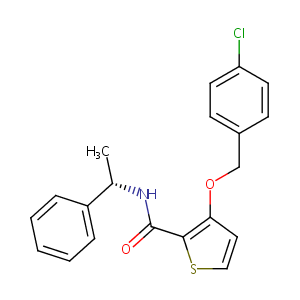
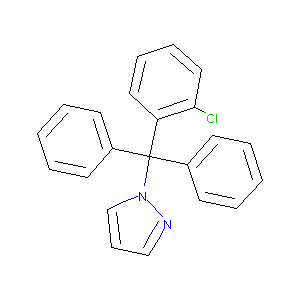
AS-1949490 1-((2-chlorophenyl)diphenylmethyl)-1H-pyrazole
|
|||||||||||||||||
|---|---|---|---|---|---|---|---|---|---|---|---|---|---|---|---|---|---|---|
| Indication |
|
|||||||||||||||||
| Component Drugs | AS-1949490 | 1-((2-chlorophenyl)diphenylmethyl)-1H-pyrazole | ||||||||||||||||
| Small molecular drug | Small molecular drug | |||||||||||||||||
|
|
|||||||||||||||||
| 2D MOL | 2D MOL | |||||||||||||||||
| 3D MOL | 3D MOL | |||||||||||||||||
| High-throughput Screening Result | Testing Cell Line: KBM-7 | |||||||||||||||||
| Zero Interaction Potency (ZIP) Score: 4.61 | ||||||||||||||||||
| Bliss Independence Score: 4.61 | ||||||||||||||||||
| Loewe Additivity Score: 18.75 | ||||||||||||||||||
| LHighest Single Agent (HSA) Score: 18.75 | ||||||||||||||||||
Molecular Interaction Atlas of This Drug Combination
| Molecular Interaction Atlas (MIA) | |||||||||||||||||||||||||||||||
|---|---|---|---|---|---|---|---|---|---|---|---|---|---|---|---|---|---|---|---|---|---|---|---|---|---|---|---|---|---|---|---|
| Indication(s) of AS-1949490 |
|
||||||||||||||||||||||||||||||
| Indication(s) of 1-((2-chlorophenyl)diphenylmethyl)-1H-pyrazole |
|
||||||||||||||||||||||||||||||
|
1-((2-chlorophenyl)diphenylmethyl)-1H-pyrazole Interacts with 2 DTT Molecule(s)
|
|||||||||||||||||||||||||||||||
References