
Details of the Drug Combination
General Information of Drug Combination (ID: DCVC7J4)
| Drug Combination Name |
Bifemelane Nitisinone
|
|||||||||||||||||
|---|---|---|---|---|---|---|---|---|---|---|---|---|---|---|---|---|---|---|
| Indication |
|
|||||||||||||||||
| Component Drugs | Bifemelane | Nitisinone | ||||||||||||||||
| Small molecular drug | Small molecular drug | |||||||||||||||||
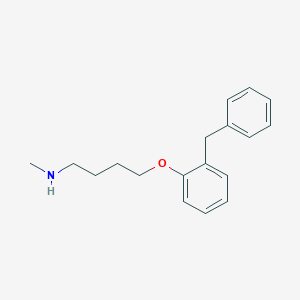
|

|
|||||||||||||||||
| 2D MOL | 2D MOL | |||||||||||||||||
| 3D MOL | 3D MOL | |||||||||||||||||
| High-throughput Screening Result | Testing Cell Line: DD2 | |||||||||||||||||
| Zero Interaction Potency (ZIP) Score: 0.284 | ||||||||||||||||||
| Bliss Independence Score: 7.383 | ||||||||||||||||||
| Loewe Additivity Score: 0.57 | ||||||||||||||||||
| LHighest Single Agent (HSA) Score: 2.599 | ||||||||||||||||||
Molecular Interaction Atlas of This Drug Combination
| Molecular Interaction Atlas (MIA) | ||||||||||||||||||||||||||
|---|---|---|---|---|---|---|---|---|---|---|---|---|---|---|---|---|---|---|---|---|---|---|---|---|---|---|
| Indication(s) of Bifemelane |
|
|||||||||||||||||||||||||
|
Bifemelane Interacts with 1 DTT Molecule(s)
|
||||||||||||||||||||||||||
| Indication(s) of Nitisinone |
|
|||||||||||||||||||||||||
|
Nitisinone Interacts with 1 DTT Molecule(s)
|
||||||||||||||||||||||||||
References