
Details of the Drug
General Information of Drug (ID: DM1TJXA)
| Drug Name |
CHLORIDE
|
||||||||||||||||||
|---|---|---|---|---|---|---|---|---|---|---|---|---|---|---|---|---|---|---|---|
| Synonyms |
chloride ion; 16887-00-6; Chloride(1-); Chloride anion; Chlorine, ion; UNII-Q32ZN48698; Hydrochloric acid, ion(1-); Chlorid; CHEMBL19429; Cl-; CHEBI:17996; Q32ZN48698; Chlorides; Chloride ions; Chloride (ion); Perchloride; Chlorine anion; Chlorine ion; Chloride (Cl-); Chlorine(1-); Chlorine ion(1-); Chloride ion (1-); Chlorine, ion (Cl1-); AC1L18YJ; Cl(-); CTK0H5734; BDBM26979; VEXZGXHMUGYJMC-UHFFFAOYSA-M; c0884; AKOS015903642; FT-0755769; 3-Carbamoyl-1-ethoxymethylpyridinium chloride; 1-Butoxymethyl-3-carbamoyl-pyridinium
|
||||||||||||||||||
| Indication |
|
||||||||||||||||||
| Drug Type |
Small molecular drug
|
||||||||||||||||||
| Structure |
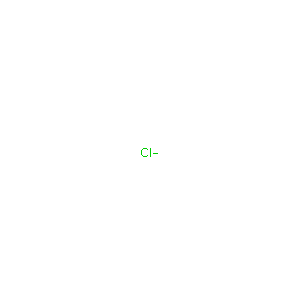 |
||||||||||||||||||
| 3D MOL | 2D MOL | ||||||||||||||||||
| #Ro5 Violations (Lipinski): 0 | Molecular Weight (mw) | 35.45 | |||||||||||||||||
| Logarithm of the Partition Coefficient (xlogp) | 0.8 | ||||||||||||||||||
| Rotatable Bond Count (rotbonds) | 0 | ||||||||||||||||||
| Hydrogen Bond Donor Count (hbonddonor) | 0 | ||||||||||||||||||
| Hydrogen Bond Acceptor Count (hbondacc) | 1 | ||||||||||||||||||
| Chemical Identifiers |
|
||||||||||||||||||
| Cross-matching ID | |||||||||||||||||||
| Drug-Molecule Activity Atlas (DMA)NEW | Click to Jump to the Detailed DMA Information of This Drug | ||||||||||||||||||
Molecular Interaction Atlas of This Drug
 Drug Therapeutic Target (DTT) |
|
|||||||||||||||||||||||||||||||||||||||||||||||||||||||
|---|---|---|---|---|---|---|---|---|---|---|---|---|---|---|---|---|---|---|---|---|---|---|---|---|---|---|---|---|---|---|---|---|---|---|---|---|---|---|---|---|---|---|---|---|---|---|---|---|---|---|---|---|---|---|---|---|
 Drug-Metabolizing Enzyme (DME) |
|
|||||||||||||||||||||||||||||||||||||||||||||||||||||||
 Drug Off-Target (DOT) |
|
|||||||||||||||||||||||||||||||||||||||||||||||||||||||
| Molecular Interaction Atlas (MIA) | ||||||||||||||||||||||||||||||||||||||||||||||||||||||||
References