General Information of Drug Combination (ID: DCS1L2E)

Drug Combination Name
Romidepsin Chlorambucil
Indication
Disease Entry Status REF
Invasive ductal carcinoma Investigative [1]
Component Drugs Romidepsin   DMT5GNL Chlorambucil   DMRKE63
Small molecular drug Small molecular drug
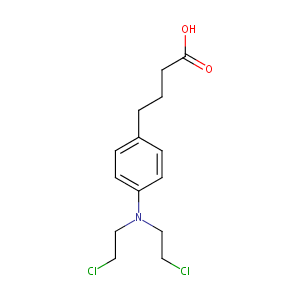
2D MOL 2D MOL
3D MOL 3D MOL
High-throughput Screening Result Testing Cell Line: HS 578T
Zero Interaction Potency (ZIP) Score: 2.3
Bliss Independence Score: 2.35
Loewe Additivity Score: 4.17
LHighest Single Agent (HSA) Score: 6.88

Molecular Interaction Atlas of This Drug Combination

Molecular Interaction Atlas (MIA)
Indication(s) of Romidepsin
Disease Entry ICD 11 Status REF
Cutaneous T-cell lymphoma 2B01 Approved [2]
Gastrin-producing neuroendocrine tumor N.A. Approved [3]
Glucagonoma N.A. Approved [3]
Insulinoma 2C10.1 Approved [3]
Lung carcinoid tumor N.A. Approved [3]
Melanoma 2C30 Approved [3]
Primary cutaneous peripheral T-cell lymphoma not otherwise specified N.A. Approved [3]
Primary cutaneous T-cell lymphoma N.A. Approved [3]
Urethral cancer 2C93 Approved [3]
Peripheral T-cell lymphoma 2A90.C Phase 3 [4]
Renal cell carcinoma 2C90 Phase 3 [2]
Romidepsin Interacts with 1 DTT Molecule(s)
DTT Name DTT ID UniProt ID Mode of Action REF
Histone deacetylase 1 (HDAC1) TT6R7JZ HDAC1_HUMAN Inhibitor [9]
------------------------------------------------------------------------------------
Romidepsin Interacts with 2 DTP Molecule(s)
DTP Name DTP ID UniProt ID Mode of Action REF
P-glycoprotein 1 (ABCB1) DTUGYRD MDR1_HUMAN Substrate [10]
Organic anion transporting polypeptide 1B3 (SLCO1B3) DT9C1TS SO1B3_HUMAN Substrate [10]
------------------------------------------------------------------------------------
Romidepsin Interacts with 3 DME Molecule(s)
DME Name DME ID UniProt ID Mode of Action REF
Cytochrome P450 3A4 (CYP3A4) DE4LYSA CP3A4_HUMAN Metabolism [11]
Cytochrome P450 3A5 (CYP3A5) DEIBDNY CP3A5_HUMAN Metabolism [12]
Cytochrome P450 2B6 (CYP2B6) DEPKLMQ CP2B6_HUMAN Metabolism [13]
------------------------------------------------------------------------------------
Romidepsin Interacts with 27 DOT Molecule(s)
DOT Name DOT ID UniProt ID Mode of Action REF
ATP-dependent translocase ABCB1 (ABCB1) OTEJROBO MDR1_HUMAN Increases Expression [14]
Broad substrate specificity ATP-binding cassette transporter ABCG2 (ABCG2) OTW8V2V1 ABCG2_HUMAN Affects Expression [15]
E3 SUMO-protein ligase CBX4 (CBX4) OT4XVRRF CBX4_HUMAN Increases Expression [16]
Tumor necrosis factor receptor superfamily member 10B (TNFRSF10B) OTA1CPBV TR10B_HUMAN Increases Expression [17]
Bcl-2-like protein 11 (BCL2L11) OTNQQWFJ B2L11_HUMAN Increases Expression [18]
Growth arrest and DNA damage-inducible protein GADD45 beta (GADD45B) OTL9I7LO GA45B_HUMAN Increases Expression [19]
Serine/threonine-protein kinase 17B (STK17B) OT4NYNO8 ST17B_HUMAN Increases Expression [16]
RAF proto-oncogene serine/threonine-protein kinase (RAF1) OT51LSFO RAF1_HUMAN Decreases Expression [20]
Receptor tyrosine-protein kinase erbB-2 (ERBB2) OTOAUNCK ERBB2_HUMAN Decreases Expression [20]
Retinoblastoma-associated protein (RB1) OTQJUJMZ RB_HUMAN Decreases Phosphorylation [20]
Poly polymerase 1 (PARP1) OT310QSG PARP1_HUMAN Increases Cleavage [21]
Histone H2AX (H2AX) OT18UX57 H2AX_HUMAN Increases Phosphorylation [8]
Transcription factor JunD (JUND) OTNKACJD JUND_HUMAN Increases Expression [16]
Nuclear factor NF-kappa-B p105 subunit (NFKB1) OTNRRD8I NFKB1_HUMAN Increases Expression [21]
Mitogen-activated protein kinase 3 (MAPK3) OTCYKGKO MK03_HUMAN Decreases Phosphorylation [8]
Mitogen-activated protein kinase 1 (MAPK1) OTH85PI5 MK01_HUMAN Decreases Phosphorylation [8]
Receptor-type tyrosine-protein kinase FLT3 (FLT3) OTMSRYMK FLT3_HUMAN Decreases Phosphorylation [8]
Cyclin-dependent kinase inhibitor 1 (CDKN1A) OTQWHCZE CDN1A_HUMAN Increases Expression [22]
Friend leukemia integration 1 transcription factor (FLI1) OT0EV3LX FLI1_HUMAN Decreases Expression [23]
RNA-binding protein EWS (EWSR1) OT7SRHV3 EWS_HUMAN Decreases Expression [23]
Bcl-2-interacting killer (BIK) OTTH1T3D BIK_HUMAN Increases Expression [16]
Spectrin alpha chain, non-erythrocytic 1 (SPTAN1) OT6VY3A3 SPTN1_HUMAN Increases Expression [16]
Nuclear receptor subfamily 1 group I member 3 (NR1I3) OTS3SGH7 NR1I3_HUMAN Increases Expression [24]
Bcl-2 homologous antagonist/killer (BAK1) OTDP6ILW BAK_HUMAN Increases Expression [25]
Histone H3.1t (H3-4) OTY6ITYF H31T_HUMAN Increases Acetylation [24]
Mitogen-activated protein kinase kinase kinase 3 (MAP3K3) OT53LJGW M3K3_HUMAN Increases Expression [16]
Transcription factor p65 (RELA) OTUJP9CN TF65_HUMAN Decreases Response To Substance [21]
------------------------------------------------------------------------------------
⏷ Show the Full List of 27 DOT(s)
Indication(s) of Chlorambucil
Disease Entry ICD 11 Status REF
Chronic lymphocytic leukaemia 2A82.0 Approved [5]
Small lymphocytic lymphoma 2A82.0 Approved [6]
Classic Hodgkin lymphoma N.A. Investigative [6]
Follicular lymphoma 2A80 Investigative [6]
Chlorambucil Interacts with 1 DTT Molecule(s)
DTT Name DTT ID UniProt ID Mode of Action REF
DNA replication (DNA repli) TTABD5E NOUNIPROTAC Intercalator [26]
------------------------------------------------------------------------------------
Chlorambucil Interacts with 2 DTP Molecule(s)
DTP Name DTP ID UniProt ID Mode of Action REF
P-glycoprotein 1 (ABCB1) DTUGYRD MDR1_HUMAN Substrate [27]
Organic anion transporting polypeptide 1A2 (SLCO1A2) DTE2B1D SO1A2_HUMAN Substrate [28]
------------------------------------------------------------------------------------
Chlorambucil Interacts with 1 DME Molecule(s)
DME Name DME ID UniProt ID Mode of Action REF
Glutathione S-transferase pi (GSTP1) DEK6079 GSTP1_HUMAN Metabolism [29]
------------------------------------------------------------------------------------
Chlorambucil Interacts with 21 DOT Molecule(s)
DOT Name DOT ID UniProt ID Mode of Action REF
ATP-dependent translocase ABCB1 (ABCB1) OTEJROBO MDR1_HUMAN Increases Expression [30]
Aldo-keto reductase family 1 member B10 (AKR1B10) OTOA4HTH AK1BA_HUMAN Decreases Expression [31]
Aldo-keto reductase family 1 member C2 (AKR1C2) OTQ2XMO3 AK1C2_HUMAN Decreases Expression [31]
Bcl-2-interacting killer (BIK) OTTH1T3D BIK_HUMAN Increases Expression [31]
F-box only protein 30 (FBXO30) OTD1P6LA FBX30_HUMAN Decreases Expression [31]
Histone chaperone ASF1A (ASF1A) OT4S44GP ASF1A_HUMAN Decreases Expression [31]
Tumor necrosis factor receptor superfamily member 10A (TNFRSF10A) OTBPCU2O TR10A_HUMAN Affects Expression [32]
Tumor necrosis factor receptor superfamily member 10B (TNFRSF10B) OTA1CPBV TR10B_HUMAN Increases Expression [33]
Baculoviral IAP repeat-containing protein 5 (BIRC5) OTILXZYL BIRC5_HUMAN Affects Expression [34]
Myc proto-oncogene protein (MYC) OTPV5LUK MYC_HUMAN Increases Expression [35]
Histone H2AX (H2AX) OT18UX57 H2AX_HUMAN Increases Phosphorylation [36]
HLA class II histocompatibility antigen, DP alpha 1 chain (HLA-DPA1) OT7OG7Y2 DPA1_HUMAN Affects Expression [37]
Tumor necrosis factor receptor superfamily member 6 (FAS) OTP9XG86 TNR6_HUMAN Increases Expression [38]
14-3-3 protein sigma (SFN) OTLJCZ1U 1433S_HUMAN Increases Expression [33]
Cyclin-dependent kinase inhibitor 1 (CDKN1A) OTQWHCZE CDN1A_HUMAN Increases Expression [39]
Histone H4 (H4C1) OTB71W46 H4_HUMAN Decreases Expression [36]
kinase isozyme 4, mitochondrial (PDK4) OTCMHMBZ PDK4_HUMAN Affects Expression [40]
Bcl-2-binding component 3, isoforms 3/4 (BBC3) OTUAXDAY BBC3B_HUMAN Increases Expression [34]
Fanconi anemia group G protein (FANCG) OT7MC8TZ FANCG_HUMAN Increases Response To Substance [41]
Baculoviral IAP repeat-containing protein 2 (BIRC2) OTFXFREP BIRC2_HUMAN Decreases Response To Substance [42]
Fanconi anemia group C protein (FANCC) OTTIDM3P FANCC_HUMAN Increases Response To Substance [41]
------------------------------------------------------------------------------------
⏷ Show the Full List of 21 DOT(s)

Test Results of This Drug Combination in Other Disease Systems

Indication DrugCom ID Cell Line Status REF
Breast adenocarcinoma DC8L3IB MDA-MB-468 Investigative [1]
Invasive ductal carcinoma DCI8JXC T-47D Investigative [1]
Cutaneous melanoma DCTEUYO SK-MEL-5 Investigative [43]
High grade ovarian serous adenocarcinoma DC7E1JH OVCAR-8 Investigative [43]
Lung adenocarcinoma DCVGO4J MDA-MB-231 Investigative [43]
------------------------------------------------------------------------------------

References

1 CheMBL Affinity Phenotypic Cellular Interaction Assay ID: CHEMBL1126165
2 URL: http://www.guidetopharmacology.org Nucleic Acids Res. 2015 Oct 12. pii: gkv1037. The IUPHAR/BPS Guide to PHARMACOLOGY in 2016: towards curated quantitative interactions between 1300 protein targets and 6000 ligands. (Ligand id: 7006).
3 Romidepsin FDA Label
4 Clinical pipeline report, company report or official report of the Pharmaceutical Research and Manufacturers of America (PhRMA)
5 URL: http://www.guidetopharmacology.org Nucleic Acids Res. 2015 Oct 12. pii: gkv1037. The IUPHAR/BPS Guide to PHARMACOLOGY in 2016: towards curated quantitative interactions between 1300 protein targets and 6000 ligands. (Ligand id: 7143).
6 Chlorambucil FDA Label
7 Inhibition of transcription, expression, and secretion of the vascular epithelial growth factor in human epithelial endometriotic cells by romidepsin. Fertil Steril. 2011 Apr;95(5):1579-83. doi: 10.1016/j.fertnstert.2010.12.058. Epub 2011 Feb 4.
8 Inhibitors of class I HDACs and of FLT3 combine synergistically against leukemia cells with mutant FLT3. Arch Toxicol. 2022 Jan;96(1):177-193. doi: 10.1007/s00204-021-03174-1. Epub 2021 Oct 19.
9 Hughes B: 2009 FDA drug approvals. Nat Rev Drug Discov. 2010 Feb;9(2):89-92.
10 Population pharmacokinetics of romidepsin in patients with cutaneous T-cell lymphoma and relapsed peripheral T-cell lymphoma. Clin Cancer Res. 2009 Feb 15;15(4):1496-503.
11 A phase I/II trial of the histone deacetylase inhibitor romidepsin for adults with recurrent malignant glioma: North American Brain Tumor Consortium Study 03-03. Neuro Oncol. 2011 May;13(5):509-16.
12 Population pharmacokinetics of romidepsin in patients with cutaneous T-cell lymphoma and relapsed peripheral T-cell lymphoma. Clin Cancer Res. 2009 Feb 15;15(4):1496-503.
13 FDA Label of Romidepsin. The 2020 official website of the U.S. Food and Drug Administration.
14 Chemoresistance to depsipeptide FK228 [(E)-(1S,4S,10S,21R)-7-[(Z)-ethylidene]-4,21-diisopropyl-2-oxa-12,13-dithia-5,8,20,23-tetraazabicyclo[8,7,6]-tricos-16-ene-3,6,9,22-pentanone] is mediated by reversible MDR1 induction in human cancer cell lines. J Pharmacol Exp Ther. 2005 Jul;314(1):467-75. doi: 10.1124/jpet.105.083956. Epub 2005 Apr 15.
15 Aberrant promoter methylation of the ABCG2 gene in renal carcinoma. Mol Cell Biol. 2006 Nov;26(22):8572-85.
16 5-Aza-2'-deoxycytidine and depsipeptide synergistically induce expression of BIK (BCL2-interacting killer). Biochem Biophys Res Commun. 2006 Dec 15;351(2):455-61. doi: 10.1016/j.bbrc.2006.10.055. Epub 2006 Oct 18.
17 Bortezomib and depsipeptide sensitize tumors to tumor necrosis factor-related apoptosis-inducing ligand: a novel method to potentiate natural killer cell tumor cytotoxicity. Cancer Res. 2006 Jul 15;66(14):7317-25. doi: 10.1158/0008-5472.CAN-06-0680.
18 Histone deacetylase inhibitors FK228, N-(2-aminophenyl)-4-[N-(pyridin-3-yl-methoxycarbonyl)amino- methyl]benzamide and m-carboxycinnamic acid bis-hydroxamide augment radiation-induced cell death in gastrointestinal adenocarcinoma cells. Int J Cancer. 2004 Jun 10;110(2):301-8. doi: 10.1002/ijc.20117.
19 A sequential treatment of depsipeptide followed by 5-azacytidine enhances Gadd45beta expression in hepatocellular carcinoma cells. Anticancer Res. 2007 Nov-Dec;27(6B):3783-9.
20 Abrogation of p21 expression by flavopiridol enhances depsipeptide-mediated apoptosis in malignant pleural mesothelioma cells. Clin Cancer Res. 2004 Mar 1;10(5):1813-25. doi: 10.1158/1078-0432.ccr-0901-3.
21 Interactions between bortezomib and romidepsin and belinostat in chronic lymphocytic leukemia cells. Clin Cancer Res. 2008 Jan 15;14(2):549-58. doi: 10.1158/1078-0432.CCR-07-1934.
22 Up-regulation of MDR1 and induction of doxorubicin resistance by histone deacetylase inhibitor depsipeptide (FK228) and ATRA in acute promyelocytic leukemia cells. Blood. 2006 Feb 15;107(4):1546-54. doi: 10.1182/blood-2004-10-4126. Epub 2005 Oct 13.
23 Antitumor effects of histone deacetylase inhibitor on Ewing's family tumors. Int J Cancer. 2005 Sep 20;116(5):784-92. doi: 10.1002/ijc.21069.
24 Enhanced transgene expression in urothelial cancer gene therapy with histone deacetylase inhibitor. J Urol. 2005 Aug;174(2):747-52. doi: 10.1097/01.ju.0000164723.20555.e6.
25 Blocking downstream signaling pathways in the context of HDAC inhibition promotes apoptosis preferentially in cells harboring mutant Ras. Oncotarget. 2016 Oct 25;7(43):69804-69815. doi: 10.18632/oncotarget.12001.
26 Roles of DNA repair and reductase activity in the cytotoxicity of the hypoxia-activated dinitrobenzamide mustard PR-104A. Mol Cancer Ther. 2009 Jun;8(6):1714-23.
27 Mammalian drug efflux transporters of the ATP binding cassette (ABC) family in multidrug resistance: A review of the past decade. Cancer Lett. 2016 Jan 1;370(1):153-64.
28 Transporters and renal drug elimination. Annu Rev Pharmacol Toxicol. 2004;44:137-66.
29 The anti-cancer drug chlorambucil as a substrate for the human polymorphic enzyme glutathione transferase P1-1: kinetic properties and crystallographic characterisation of allelic variants. J Mol Biol. 2008 Jun 27;380(1):131-44.
30 Enhanced in vitro invasiveness and drug resistance with altered gene expression patterns in a human lung carcinoma cell line after pulse selection with anticancer drugs. Int J Cancer. 2004 Sep 10;111(4):484-93. doi: 10.1002/ijc.20230.
31 Oxidative stress mechanisms do not discriminate between genotoxic and nongenotoxic liver carcinogens. Chem Res Toxicol. 2015 Aug 17;28(8):1636-46.
32 Role of the TRAIL/APO2-L death receptors in chlorambucil- and fludarabine-induced apoptosis in chronic lymphocytic leukemia. Oncogene. 2003 Nov 13;22(51):8356-69. doi: 10.1038/sj.onc.1207004.
33 Differential effects of chemotherapeutic drugs versus the MDM-2 antagonist nutlin-3 on cell cycle progression and induction of apoptosis in SKW6.4 lymphoblastoid B-cells. J Cell Biochem. 2008 May 15;104(2):595-605. doi: 10.1002/jcb.21649.
34 Differential gene expression induction by TRAIL in B chronic lymphocytic leukemia (B-CLL) cells showing high versus low levels of Zap-70. J Cell Physiol. 2007 Oct;213(1):229-36. doi: 10.1002/jcp.21116.
35 Theophylline synergizes with chlorambucil in inducing apoptosis of B-chronic lymphocytic leukemia cells. Blood. 1996 Sep 15;88(6):2172-82.
36 A two-hit mechanism for pre-mitotic arrest of cancer cell proliferation by a polyamide-alkylator conjugate. Cell Cycle. 2006 Jul;5(14):1537-48. doi: 10.4161/cc.5.14.2913. Epub 2006 Jul 17.
37 Systems pharmacological analysis of drugs inducing stevens-johnson syndrome and toxic epidermal necrolysis. Chem Res Toxicol. 2015 May 18;28(5):927-34. doi: 10.1021/tx5005248. Epub 2015 Apr 3.
38 Caspase 8 activation independent of Fas (CD95/APO-1) signaling may mediate killing of B-chronic lymphocytic leukemia cells by cytotoxic drugs or gamma radiation. Blood. 2001 Nov 1;98(9):2800-7. doi: 10.1182/blood.v98.9.2800.
39 Disruption of gene expression and induction of apoptosis in prostate cancer cells by a DNA-damaging agent tethered to an androgen receptor ligand. Chem Biol. 2005 Jul;12(7):779-87. doi: 10.1016/j.chembiol.2005.05.009.
40 The MT1G Gene in LUHMES Neurons Is a Sensitive Biomarker of Neurotoxicity. Neurotox Res. 2020 Dec;38(4):967-978. doi: 10.1007/s12640-020-00272-3. Epub 2020 Sep 1.
41 In vivo therapeutic responses contingent on Fanconi anemia/BRCA2 status of the tumor. Clin Cancer Res. 2005 Oct 15;11(20):7508-15. doi: 10.1158/1078-0432.CCR-05-1048.
42 Expression and prognostic significance of IAP-family genes in human cancers and myeloid leukemias. Clin Cancer Res. 2000 May;6(5):1796-803.
43 CheMBL Affinity Phenotypic Cellular Interaction Assay ID: CHEMBL1125976