General Information of Drug Combination (ID: DCZ03MW)

Drug Combination Name
Tetracycline Isoproterenol
Indication
Disease Entry Status REF
Chronic myelogenous leukemia Investigative [1]
Component Drugs Tetracycline   DMZA017 Isoproterenol   DMK7MEY
Small molecular drug Small molecular drug
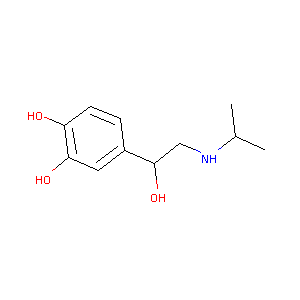
2D MOL 2D MOL
3D MOL 3D MOL
High-throughput Screening Result Testing Cell Line: KBM-7
Zero Interaction Potency (ZIP) Score: 6.14
Bliss Independence Score: 6.14
Loewe Additivity Score: 18.16
LHighest Single Agent (HSA) Score: 18.16

Molecular Interaction Atlas of This Drug Combination

Molecular Interaction Atlas (MIA)
Indication(s) of Tetracycline
Disease Entry ICD 11 Status REF
Acne vulgaris ED80 Approved [2]
Actinomycosis N.A. Approved [2]
Acute gonococcal cervicitis N.A. Approved [2]
Acute gonococcal epididymo-orchitis N.A. Approved [2]
Bacterial infection 1A00-1C4Z Approved [3]
Bronchitis CA20 Approved [2]
Brucellosis N.A. Approved [2]
Lymphogranuloma venereum N.A. Approved [2]
Ornithosis N.A. Approved [2]
Pneumonia CA40 Approved [2]
Q fever N.A. Approved [2]
Relapsing fever N.A. Approved [2]
Rickettsialpox N.A. Approved [2]
Rocky mountain spotted fever N.A. Approved [2]
Syphilis N.A. Approved [2]
Trachoma N.A. Approved [2]
Typhus N.A. Approved [2]
Urinary tract infection GC08 Approved [2]
Yaws N.A. Approved [2]
Pelvic inflammatory disease GA05 Investigative [2]
Sinusitis CA0A.Z Investigative [2]
Tetracycline Interacts with 1 DTT Molecule(s)
DTT Name DTT ID UniProt ID Mode of Action REF
Staphylococcus 30S ribosomal subunit (Stap-coc pbp2) TTQ8KVI F4NA87_STAAU Binder [8]
------------------------------------------------------------------------------------
Tetracycline Interacts with 5 DTP Molecule(s)
DTP Name DTP ID UniProt ID Mode of Action REF
P-glycoprotein 1 (ABCB1) DTUGYRD MDR1_HUMAN Substrate [9]
Breast cancer resistance protein (ABCG2) DTI7UX6 ABCG2_HUMAN Substrate [10]
Organic anion transporter 2 (SLC22A7) DT0OC1Q S22A7_HUMAN Substrate [11]
Organic anion transporter 3 (SLC22A8) DTVP67E S22A8_HUMAN Substrate [11]
Organic anion transporter 4 (SLC22A11) DT06JWZ S22AB_HUMAN Substrate [11]
------------------------------------------------------------------------------------
Tetracycline Interacts with 30 DOT Molecule(s)
DOT Name DOT ID UniProt ID Mode of Action REF
Solute carrier family 22 member 7 (SLC22A7) OTKTNH1W S22A7_HUMAN Increases Transport [12]
Organic anion transporter 3 (SLC22A8) OT8BY933 S22A8_HUMAN Increases Uptake [11]
Glutathione S-transferase Mu 3 (GSTM3) OTLA2WJT GSTM3_HUMAN Decreases Activity [13]
Nuclear protein 1 (NUPR1) OT4FU8C0 NUPR1_HUMAN Increases Expression [7]
Alpha-1-antichymotrypsin (SERPINA3) OT9BP2S0 AACT_HUMAN Increases Expression [7]
Inhibin beta E chain (INHBE) OTOI2NYG INHBE_HUMAN Increases Expression [7]
AP-1 complex subunit sigma-1A (AP1S1) OTQ2H8DN AP1S1_HUMAN Decreases Expression [7]
Fibronectin type III domain-containing protein 4 (FNDC4) OTOQK0WK FNDC4_HUMAN Increases Expression [7]
Protein DEPP1 (DEPP1) OTB36PHJ DEPP1_HUMAN Increases Expression [7]
Alternative prion protein (PRNP) OTE85L1Q APRIO_HUMAN Affects Binding [14]
Claudin-11 (CLDN11) OTNN6UTL CLD11_HUMAN Decreases Expression [15]
Stromelysin-1 (MMP3) OTGBI74Z MMP3_HUMAN Decreases Activity [16]
Neutrophil collagenase (MMP8) OTZXH19L MMP8_HUMAN Decreases Activity [16]
Integrin alpha-3 (ITGA3) OTBCH21D ITA3_HUMAN Decreases Expression [15]
Mitogen-activated protein kinase 3 (MAPK3) OTCYKGKO MK03_HUMAN Decreases Phosphorylation [17]
Mitogen-activated protein kinase 1 (MAPK1) OTH85PI5 MK01_HUMAN Decreases Phosphorylation [17]
Collagenase 3 (MMP13) OTY8BZIE MMP13_HUMAN Decreases Activity [16]
Gap junction alpha-8 protein (GJA8) OTZCPRKD CXA8_HUMAN Decreases Expression [15]
Microsomal triglyceride transfer protein large subunit (MTTP) OTNUVSDT MTP_HUMAN Decreases Expression [18]
Claudin-15 (CLDN15) OT9K0KI7 CLD15_HUMAN Decreases Expression [15]
Claudin-8 (CLDN8) OT7IIWXG CLD8_HUMAN Decreases Expression [15]
Claudin-2 (CLDN2) OTRF3D6Y CLD2_HUMAN Decreases Expression [15]
Claudin-10 (CLDN10) OT2CVAKY CLD10_HUMAN Decreases Expression [15]
Peroxisomal bifunctional enzyme (EHHADH) OTBAAHL5 ECHP_HUMAN Decreases Expression [18]
Neurogenic locus notch homolog protein 4 (NOTCH4) OTBCHB61 NOTC4_HUMAN Decreases Expression [15]
Gap junction delta-2 protein (GJD2) OTDR288R CXD2_HUMAN Decreases Expression [15]
Neurogenic locus notch homolog protein 3 (NOTCH3) OTMVVA7F NOTC3_HUMAN Decreases Expression [15]
Solute carrier family 22 member 6 (SLC22A6) OTKRCBVM S22A6_HUMAN Increases Export [11]
ATP-binding cassette sub-family C member 4 (ABCC4) OTO27PAL MRP4_HUMAN Increases Transport [19]
Organic anion transporter 7 (SLC22A9) OTO4BJCC S22A9_HUMAN Increases Export [11]
------------------------------------------------------------------------------------
⏷ Show the Full List of 30 DOT(s)
Indication(s) of Isoproterenol
Disease Entry ICD 11 Status REF
Atrioventricular block N.A. Approved [4]
Cardiac arrest MC82 Approved [4]
Common cold CA00 Approved [4]
Heart block BC63 Approved [5]
Melanoma 2C30 Phase 1 [6]
Isoproterenol Interacts with 3 DTT Molecule(s)
DTT Name DTT ID UniProt ID Mode of Action REF
Adrenergic receptor beta-1 (ADRB1) TTR6W5O ADRB1_HUMAN Agonist [21]
Adrenergic receptor beta-2 (ADRB2) TT2CJVK ADRB2_HUMAN Modulator [21]
Interleukin-12 beta (IL12B) TTGW72V IL12B_HUMAN Modulator [22]
------------------------------------------------------------------------------------
Isoproterenol Interacts with 1 DME Molecule(s)
DME Name DME ID UniProt ID Mode of Action REF
Thiopurine methyltransferase (TPMT) DEFQ8VO TPMT_HUMAN Metabolism [23]
------------------------------------------------------------------------------------
Isoproterenol Interacts with 40 DOT Molecule(s)
DOT Name DOT ID UniProt ID Mode of Action REF
Apoptotic protease-activating factor 1 (APAF1) OTJWIVY0 APAF_HUMAN Increases Expression [20]
ATP-binding cassette sub-family C member 3 (ABCC3) OTC3IJV4 MRP3_HUMAN Decreases Expression [20]
Bcl-2-like protein 11 (BCL2L11) OTNQQWFJ B2L11_HUMAN Increases Expression [20]
Metalloproteinase inhibitor 1 (TIMP1) OTOXC51H TIMP1_HUMAN Decreases Expression [20]
C-C motif chemokine 3 (CCL3) OTW2H3ND CCL3_HUMAN Increases Expression [20]
Heat shock cognate 71 kDa protein (HSPA8) OTJI2RCI HSP7C_HUMAN Decreases Expression [20]
Tumor necrosis factor receptor superfamily member 1A (TNFRSF1A) OT2D9DOV TNR1A_HUMAN Decreases Expression [20]
Phosphatidylcholine translocator ABCB4 (ABCB4) OTE6PY83 MDR3_HUMAN Decreases Expression [20]
14-3-3 protein sigma (SFN) OTLJCZ1U 1433S_HUMAN Decreases Expression [20]
Heat shock 70 kDa protein 1-like (HSPA1L) OTC2V1K6 HS71L_HUMAN Decreases Expression [20]
Metalloproteinase inhibitor 3 (TIMP3) OTDGQAD1 TIMP3_HUMAN Increases Expression [20]
Heat shock-related 70 kDa protein 2 (HSPA2) OTSDET7B HSP72_HUMAN Increases Expression [20]
C-C motif chemokine 7 (CCL7) OTDIS99H CCL7_HUMAN Decreases Expression [20]
Bcl-2-like protein 1 (BCL2L1) OTRC5K9O B2CL1_HUMAN Decreases Expression [20]
Four and a half LIM domains protein 1 (FHL1) OTN535SU FHL1_HUMAN Decreases Expression [20]
Phorbol-12-myristate-13-acetate-induced protein 1 (PMAIP1) OTXEE550 APR_HUMAN Increases Expression [20]
Bcl-2 homologous antagonist/killer (BAK1) OTDP6ILW BAK_HUMAN Decreases Expression [20]
Regenerating islet-derived protein 3-gamma (REG3G) OTLIUY8Z REG3G_HUMAN Decreases Expression [20]
Metalloproteinase inhibitor 4 (TIMP4) OT8A68SW TIMP4_HUMAN Decreases Expression [20]
Aryl hydrocarbon receptor nuclear translocator 2 (ARNT2) OTAQD3YV ARNT2_HUMAN Decreases Expression [20]
Hypoxia-inducible factor 1-alpha inhibitor (HIF1AN) OT5LIL3W HIF1N_HUMAN Decreases Expression [20]
Hypoxia-inducible factor 3-alpha (HIF3A) OTPWAAMC HIF3A_HUMAN Increases Expression [20]
Proepiregulin (EREG) OTRM4NQY EREG_HUMAN Increases Expression [24]
Renin (REN) OT52GZR2 RENI_HUMAN Increases Activity [25]
Transforming growth factor beta-1 proprotein (TGFB1) OTV5XHVH TGFB1_HUMAN Decreases Expression [26]
Natriuretic peptides A (NPPA) OTMQNTNX ANF_HUMAN Increases Expression [27]
Antileukoproteinase (SLPI) OTUNFUU8 SLPI_HUMAN Increases Expression [24]
Alkaline phosphatase, placental type (ALPP) OTZU4G9W PPB1_HUMAN Increases Expression [28]
Beta-2 adrenergic receptor (ADRB2) OTSDOX4Q ADRB2_HUMAN Increases Expression [29]
Poly polymerase 1 (PARP1) OT310QSG PARP1_HUMAN Decreases Expression [30]
Interleukin-8 (CXCL8) OTS7T5VH IL8_HUMAN Increases Expression [24]
Beta-3 adrenergic receptor (ADRB3) OTPMG4V7 ADRB3_HUMAN Increases Activity [31]
Natriuretic peptides B (NPPB) OTSN2IPY ANFB_HUMAN Increases Expression [27]
Mitogen-activated protein kinase 3 (MAPK3) OTCYKGKO MK03_HUMAN Increases Phosphorylation [32]
Mitogen-activated protein kinase 1 (MAPK1) OTH85PI5 MK01_HUMAN Increases Phosphorylation [32]
Tumor necrosis factor-inducible gene 6 protein (TNFAIP6) OT1SLUZH TSG6_HUMAN Decreases Expression [24]
Ryanodine receptor 2 (RYR2) OT0PF19E RYR2_HUMAN Increases Phosphorylation [33]
Guanine nucleotide-binding protein G(olf) subunit alpha (GNAL) OTESDTEU GNAL_HUMAN Increases Response To Substance [34]
Neuroendocrine secretory protein 55 (GNAS) OTMH8BKJ GNAS3_HUMAN Increases Response To Substance [34]
Interleukin-5 receptor subunit alpha (IL5RA) OTMSLUG9 IL5RA_HUMAN Affects Response To Substance [35]
------------------------------------------------------------------------------------
⏷ Show the Full List of 40 DOT(s)

References

1 CheMBL Affinity Phenotypic Cellular Interaction Assay ID: CHEMBL1125966
2 Tetracycline FDA Label
3 How many modes of action should an antibiotic have Curr Opin Pharmacol. 2008 Oct;8(5):564-73.
4 Isoproterenol FDA Label
5 FDA Approved Drug Products from FDA Official Website. 2009. Application Number: (ANDA) 083346.
6 A phase 1 study of AS1409, a novel antibody-cytokine fusion protein, in patients with malignant melanoma or renal cell carcinoma. Clin Cancer Res. 2011 Apr 1;17(7):1998-2005.
7 Determination of phospholipidosis potential based on gene expression analysis in HepG2 cells. Toxicol Sci. 2007 Mar;96(1):101-14.
8 The glycylcyclines: a comparative review with the tetracyclines. Drugs. 2004;64(1):63-88.
9 Mammalian drug efflux transporters of the ATP binding cassette (ABC) family in multidrug resistance: A review of the past decade. Cancer Lett. 2016 Jan 1;370(1):153-64.
10 Arginine-482 is not essential for transport of antibiotics, primary bile acids and unconjugated sterols by the human breast cancer resistance protein (ABCG2). Biochem J. 2005 Jan 15;385(Pt 2):419-26.
11 Human organic anion transporters mediate the transport of tetracycline. Jpn J Pharmacol. 2002 Jan;88(1):69-76.
12 Transport mechanism and substrate specificity of human organic anion transporter 2 (hOat2 [SLC22A7]). J Pharm Pharmacol. 2005 May;57(5):573-8.
13 Inhibition of glutathione S-transferases by antimalarial drugs possible implications for circumventing anticancer drug resistance. Int J Cancer. 2002 Feb 10;97(5):700-5.
14 Tetracycline affects abnormal properties of synthetic PrP peptides and PrP(Sc) in vitro. J Mol Biol. 2000 Jul 28;300(5):1309-22. doi: 10.1006/jmbi.2000.3840.
15 Effects of residual levels of tetracycline on the barrier functions of human intestinal epithelial cells. Food Chem Toxicol. 2017 Nov;109(Pt 1):253-263. doi: 10.1016/j.fct.2017.09.004. Epub 2017 Sep 4.
16 Synthesis and in vitro evaluation of targeted tetracycline derivatives: effects on inhibition of matrix metalloproteinases. Bioorg Med Chem. 2007 Mar 15;15(6):2368-74. doi: 10.1016/j.bmc.2007.01.026. Epub 2007 Jan 19.
17 Increased hepatic Fatty Acid uptake and esterification contribute to tetracycline-induced steatosis in mice. Toxicol Sci. 2015 Jun;145(2):273-82. doi: 10.1093/toxsci/kfv049. Epub 2015 Mar 4.
18 Advantageous use of HepaRG cells for the screening and mechanistic study of drug-induced steatosis. Toxicol Appl Pharmacol. 2016 Jul 1;302:1-9. doi: 10.1016/j.taap.2016.04.007. Epub 2016 Apr 16.
19 Multichannel liquid chromatography-tandem mass spectrometry cocktail method for comprehensive substrate characterization of multidrug resistance-associated protein 4 transporter. Pharm Res. 2007 Dec;24(12):2281-96.
20 Isoproterenol effects evaluated in heart slices of human and rat in comparison to rat heart in vivo. Toxicol Appl Pharmacol. 2014 Jan 15;274(2):302-12.
21 Current therapeutic uses and potential of beta-adrenoceptor agonists and antagonists. Eur J Clin Pharmacol. 1998 Feb;53(6):389-404.
22 A phase 1 study of AS1409, a novel antibody-cytokine fusion protein, in patients with malignant melanoma or renal cell carcinoma. Clin Cancer Res. 2011 Apr 1;17(7):1998-2005.
23 Identification, characterization, and ontogenic study of a catechol O-methyltransferase from zebrafish. Aquat Toxicol. 2011 Mar;102(1-2):18-23.
24 An in vitro coculture system of human peripheral blood mononuclear cells with hepatocellular carcinoma-derived cells for predicting drug-induced liver injury. Arch Toxicol. 2021 Jan;95(1):149-168. doi: 10.1007/s00204-020-02882-4. Epub 2020 Aug 20.
25 Hypokalemia from beta2-receptor stimulation by circulating epinephrine. N Engl J Med. 1983 Dec 8;309(23):1414-9. doi: 10.1056/NEJM198312083092303.
26 The regulation of human vascular smooth muscle extracellular matrix protein production by alpha- and beta-adrenoceptor stimulation. J Hypertens. 2002 Feb;20(2):287-94. doi: 10.1097/00004872-200202000-00019.
27 Low doses of BPF-induced hypertrophy in cardiomyocytes derived from human embryonic stem cells via disrupting the mitochondrial fission upon the interaction between ER and calcineurin A-DRP1 signaling pathway. Cell Biol Toxicol. 2022 Jun;38(3):409-426. doi: 10.1007/s10565-021-09615-y. Epub 2021 May 22.
28 The effects of desmethylimipramine on cyclic AMP-stimulated gene transcription in a model cell system. Biochem Pharmacol. 2005 Sep 1;70(5):762-9. doi: 10.1016/j.bcp.2005.06.012.
29 Isoproterenol inhibits angiotensin II-stimulated proliferation and reactive oxygen species production in vascular smooth muscle cells through heme oxygenase-1. Biol Pharm Bull. 2009 Jun;32(6):1047-52. doi: 10.1248/bpb.32.1047.
30 Impaired PARP activity in response to the -adrenergic receptor agonist isoproterenol. Toxicol In Vitro. 2018 Aug;50:29-39. doi: 10.1016/j.tiv.2018.02.001. Epub 2018 Feb 10.
31 Discovery of a novel series of biphenyl benzoic acid derivatives as highly potent and selective human beta3 adrenergic receptor agonists with good oral bioavailability. Part II. J Med Chem. 2008 Jul 10;51(13):4002-20. doi: 10.1021/jm8000345. Epub 2008 Jun 14.
32 A unique mechanism of beta-blocker action: carvedilol stimulates beta-arrestin signaling. Proc Natl Acad Sci U S A. 2007 Oct 16;104(42):16657-62. doi: 10.1073/pnas.0707936104. Epub 2007 Oct 9.
33 Carvedilol and its new analogs suppress arrhythmogenic store overload-induced Ca2+ release. Nat Med. 2011 Jul 10;17(8):1003-9. doi: 10.1038/nm.2406.
34 Identification of specific ligands for orphan olfactory receptors. G protein-dependent agonism and antagonism of odorants. J Biol Chem. 2005 Mar 25;280(12):11807-15. doi: 10.1074/jbc.M411508200. Epub 2004 Dec 14.
35 Autocrine interaction between IL-5 and IL-1beta mediates altered responsiveness of atopic asthmatic sensitized airway smooth muscle. J Clin Invest. 1999 Sep;104(5):657-67. doi: 10.1172/JCI7137.