| 1 |
CheMBL Affinity Phenotypic Cellular Interaction Assay ID: CHEMBL1125966
|
| 2 |
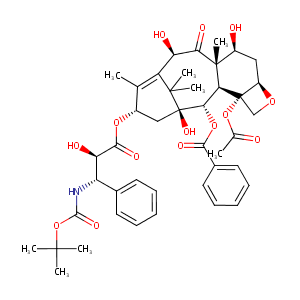
Docetaxel FDA Label
|
| 3 |
URL: http://www.guidetopharmacology.org Nucleic Acids Res. 2015 Oct 12. pii: gkv1037. The IUPHAR/BPS Guide to PHARMACOLOGY in 2016: towards curated quantitative interactions between 1300 protein targets and 6000 ligands. (Ligand id: 6809).
|
| 4 |
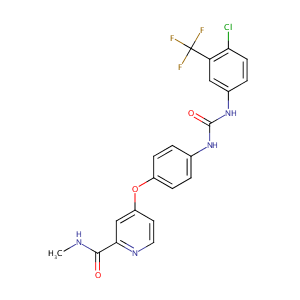
Sorafenib FDA Label
|
| 5 |
URL: http://www.guidetopharmacology.org Nucleic Acids Res. 2015 Oct 12. pii: gkv1037. The IUPHAR/BPS Guide to PHARMACOLOGY in 2016: towards curated quantitative interactions between 1300 protein targets and 6000 ligands. (Ligand id: 5711).
|
| 6 |
Synergistic effects of docetaxel and S-1 by modulating the expression of metabolic enzymes of 5-fluorouracil in human gastric cancer cell lines. Int J Cancer. 2006 Aug 15;119(4):783-91.
|
| 7 |
Induction of tubulin by docetaxel is associated with p53 status in human non small cell lung cancer cell lines. Int J Cancer. 2006 Jan 15;118(2):317-25. doi: 10.1002/ijc.21372.
|
| 8 |
Cyclooxygenase-2 inhibitor celecoxib augments chemotherapeutic drug-induced apoptosis by enhancing activation of caspase-3 and -9 in prostate cancer cells. Int J Cancer. 2005 Jun 20;115(3):484-92. doi: 10.1002/ijc.20878.
|
| 9 |
Docetaxel: a review of its use in metastatic breast cancer. Drugs. 2005;65(17):2513-31.
|
| 10 |
Human intestinal transporter database: QSAR modeling and virtual profiling of drug uptake, efflux and interactions. Pharm Res. 2013 Apr;30(4):996-1007.
|
| 11 |
Transport of diclofenac by breast cancer resistance protein (ABCG2) and stimulation of multidrug resistance protein 2 (ABCC2)-mediated drug transport by diclofenac and benzbromarone. Drug Metab Dispos. 2009 Jan;37(1):129-36.
|
| 12 |
Effect of ABCB1 C3435T polymorphism on docetaxel pharmacokinetics according to menopausal status in breast cancer patients. Br J Cancer. 2010 Aug 10;103(4):560-6.
|
| 13 |
Ixabepilone, a novel microtubule-targeting agent for breast cancer, is a substrate for P-glycoprotein (P-gp/MDR1/ABCB1) but not breast cancer resistance protein (BCRP/ABCG2). J Pharmacol Exp Ther. 2011 May;337(2):423-32.
|
| 14 |
FDA Drug Development and Drug Interactions
|
| 15 |
Rapid screening of antineoplastic candidates for the human organic anion transporter OATP1B3 substrates using fluorescent probes. Cancer Lett. 2008 Feb 18;260(1-2):163-9.
|
| 16 |
RNA-sequencing dissects the transcriptome of polyploid cancer cells that are resistant to combined treatments of cisplatin with paclitaxel and docetaxel. Mol Biosyst. 2017 Sep 26;13(10):2125-2134.
|
| 17 |
Modulation of the ATPase and transport activities of broad-acting multidrug resistance factor ABCC10 (MRP7). Cancer Res. 2012 Dec 15;72(24):6457-67.
|
| 18 |
Randomized pharmacokinetic and pharmacodynamic study of docetaxel: dosing based on body-surface area compared with individualized dosing based on cytochrome P450 activity estimated using a urinary metabolite of exogenous cortisol. J Clin Oncol. 2005 Feb 20;23(6):1061-9.
|
| 19 |
Drug Interactions Flockhart Table
|
| 20 |
Concise prediction models of anticancer efficacy of 8 drugs using expression data from 12 selected genes. Int J Cancer. 2004 Sep 10;111(4):617-26. doi: 10.1002/ijc.20289.
|
| 21 |
Pretreatment with paclitaxel enhances apo-2 ligand/tumor necrosis factor-related apoptosis-inducing ligand-induced apoptosis of prostate cancer cells by inducing death receptors 4 and 5 protein levels. Cancer Res. 2001 Jan 15;61(2):759-63.
|
| 22 |
Docetaxel-induced apoptosis of human melanoma is mediated by activation of c-Jun NH2-terminal kinase and inhibited by the mitogen-activated protein kinase extracellular signal-regulated kinase 1/2 pathway. Clin Cancer Res. 2007 Feb 15;13(4):1308-14. doi: 10.1158/1078-0432.CCR-06-2216.
|
| 23 |
PXR-mediated induction of P-glycoprotein by anticancer drugs in a human colon adenocarcinoma-derived cell line. Cancer Chemother Pharmacol. 2010 Sep;66(4):765-71. doi: 10.1007/s00280-009-1221-4. Epub 2009 Dec 30.
|
| 24 |
Docetaxel induces p53-dependent apoptosis and synergizes with farnesyl transferase inhibitor r115777 in human epithelial cancer cells. Front Biosci. 2005 Sep 1;10:2566-75. doi: 10.2741/1720.
|
| 25 |
All-trans retinoic acid potentiates Taxotere-induced cell death mediated by Jun N-terminal kinase in breast cancer cells. Oncogene. 2004 Jan 15;23(2):426-33. doi: 10.1038/sj.onc.1207040.
|
| 26 |
Docetaxel induces apoptosis in hormone refractory prostate carcinomas during multiple treatment cycles. Br J Cancer. 2006 Jun 5;94(11):1592-8. doi: 10.1038/sj.bjc.6603129.
|
| 27 |
Replication-dependent -H2AX formation is involved in docetaxel-induced apoptosis in NSCLC A549 cells. Oncol Rep. 2010 Nov;24(5):1297-305. doi: 10.3892/or_00000986.
|
| 28 |
Docetaxel induced cardiotoxicity. Heart. 2001 Aug;86(2):219. doi: 10.1136/heart.86.2.219.
|
| 29 |
Development and validation of the TGx-HDACi transcriptomic biomarker to detect histone deacetylase inhibitors in human TK6 cells. Arch Toxicol. 2021 May;95(5):1631-1645. doi: 10.1007/s00204-021-03014-2. Epub 2021 Mar 26.
|
| 30 |
[The mechanism of docetaxel-induced apoptosis in human lung cancer cells]. Zhonghua Zhong Liu Za Zhi. 2000 May;22(3):208-11.
|
| 31 |
Azidothymidine and cisplatin increase p14ARF expression in OVCAR-3 ovarian cancer cell line. Toxicol Appl Pharmacol. 2006 Oct 1;216(1):89-97. doi: 10.1016/j.taap.2006.04.015. Epub 2006 May 19.
|
| 32 |
Pharmacogenomics variation in drug metabolizing enzymes and transporters in relation to docetaxel toxicity in Lebanese breast cancer patients: paving the way for OMICs in low and middle income countries. OMICS. 2013 Jul;17(7):353-67. doi: 10.1089/omi.2013.0019. Epub 2013 Jun 11.
|
| 33 |
Specific kinesin expression profiles associated with taxane resistance in basal-like breast cancer. Breast Cancer Res Treat. 2012 Feb;131(3):849-58. doi: 10.1007/s10549-011-1500-8. Epub 2011 Apr 9.
|
| 34 |
Regulators of G-Protein signaling RGS10 and RGS17 regulate chemoresistance in ovarian cancer cells. Mol Cancer. 2010 Nov 2;9:289. doi: 10.1186/1476-4598-9-289.
|
| 35 |
Mitotic checkpoint genes, hsMAD2 and BubR1, in oesophageal squamous cancer cells and their association with 5-fluorouracil and cisplatin-based radiochemotherapy. Clin Oncol (R Coll Radiol). 2008 Oct;20(8):639-46. doi: 10.1016/j.clon.2008.06.010. Epub 2008 Aug 8.
|
| 36 |
[Antisense RNA targeting survivin enhances the chemosensitivity of LOVO/Adr cells to taxotere]. Zhonghua Wei Chang Wai Ke Za Zhi. 2005 Sep;8(5):455-8.
|
| 37 |
Manganese superoxide dismutase is a promising target for enhancing chemosensitivity of basal-like breast carcinoma. Antioxid Redox Signal. 2014 May 20;20(15):2326-46. doi: 10.1089/ars.2013.5295. Epub 2013 Nov 14.
|
| 38 |
HER-2/neu as a predictive marker in a population of advanced breast cancer patients randomly treated either with single-agent doxorubicin or single-agent docetaxel. Breast Cancer Res Treat. 2004 Aug;86(3):197-206. doi: 10.1023/B:BREA.0000036783.88387.47.
|
| 39 |
Epigenetic inactivation of the CHFR gene in cervical cancer contributes to sensitivity to taxanes. Int J Oncol. 2007 Oct;31(4):713-20.
|
| 40 |
Differential effect of anti-apoptotic genes Bcl-xL and c-FLIP on sensitivity of MCF-7 breast cancer cells to paclitaxel and docetaxel. Anticancer Res. 2005 May-Jun;25(3c):2367-79.
|
| 41 |
KIF14 promotes AKT phosphorylation and contributes to chemoresistance in triple-negative breast cancer. Neoplasia. 2014 Mar;16(3):247-56, 256.e2. doi: 10.1016/j.neo.2014.03.008.
|
| 42 |
The prognostic gene CRABP2 affects drug sensitivity by regulating docetaxel-induced apoptosis in breast invasive carcinoma: A pan-cancer analysis. Chem Biol Interact. 2023 Mar 1;373:110372. doi: 10.1016/j.cbi.2023.110372. Epub 2023 Feb 2.
|
| 43 |
Novel carbocyclic curcumin analog CUR3d modulates genes involved in multiple apoptosis pathways in human hepatocellular carcinoma cells. Chem Biol Interact. 2015 Dec 5;242:107-22.
|
| 44 |
Destruxin B inhibits hepatocellular carcinoma cell growth through modulation of the Wnt/-catenin signaling pathway and epithelial-mesenchymal transition. Toxicol In Vitro. 2014 Jun;28(4):552-61. doi: 10.1016/j.tiv.2014.01.002. Epub 2014 Jan 13.
|
| 45 |
The kinase inhibitor sorafenib induces cell death through a process involving induction of endoplasmic reticulum stress. Mol Cell Biol. 2007 Aug;27(15):5499-513. doi: 10.1128/MCB.01080-06. Epub 2007 Jun 4.
|
| 46 |
Sorafenib induces apoptosis of AML cells via Bim-mediated activation of the intrinsic apoptotic pathway. Leukemia. 2008 Apr;22(4):808-18. doi: 10.1038/sj.leu.2405098. Epub 2008 Jan 17.
|
| 47 |
Ovatodiolide suppresses yes-associated protein 1-modulated cancer stem cell phenotypes in highly malignant hepatocellular carcinoma and sensitizes cancer cells to chemotherapy in vitro. Toxicol In Vitro. 2018 Sep;51:74-82. doi: 10.1016/j.tiv.2018.04.010. Epub 2018 Apr 24.
|
| 48 |
Preclinical overview of sorafenib, a multikinase inhibitor that targets both Raf and VEGF and PDGF receptor tyrosine kinase signaling.Mol Cancer Ther.2008 Oct;7(10):3129-40.
|
| 49 |
Nasopharyngeal carcinoma: Current treatment options and future directions. J Nasopharyng Carcinoma, 2014, 1(16): e16.
|
| 50 |
Multidrug resistance protein 2 implicates anticancer drug-resistance to sorafenib. Biol Pharm Bull. 2011;34(3):433-5.
|
| 51 |
Breast cancer resistance protein and P-glycoprotein limit sorafenib brain accumulation. Mol Cancer Ther. 2010 Feb;9(2):319-26.
|
| 52 |
Double-transduced MDCKII cells to study human P-glycoprotein (ABCB1) and breast cancer resistance protein (ABCG2) interplay in drug transport across the blood-brain barrier. Mol Pharm. 2011 Apr 4;8(2):571-82.
|
| 53 |
Contribution of OATP1B1 and OATP1B3 to the disposition of sorafenib and sorafenib-glucuronide. Clin Cancer Res. 2013 Mar 15;19(6):1458-66.
|
| 54 |
Upregulation of histone acetylation reverses organic anion transporter 2 repression and enhances 5-fluorouracil sensitivity in hepatocellular carcinoma
|
| 55 |
Rlip76 transports sunitinib and sorafenib and mediates drug resistance in kidney cancer. Int J Cancer. 2010 Mar 15;126(6):1327-38.
|
| 56 |
Interaction of sorafenib and cytochrome P450 isoenzymes in patients with advanced melanoma: a phase I/II pharmacokinetic interaction study. Cancer Chemother Pharmacol. 2011 Nov;68(5):1111-8.
|
| 57 |
Ontogeny and sorafenib metabolism. Clin Cancer Res. 2012 Oct 15;18(20):5788-95.
|
| 58 |
Pharmacokinetic interaction involving sorafenib and the calcium-channel blocker felodipine in a patient with hepatocellular carcinoma. Invest New Drugs. 2011 Dec;29(6):1511-4.
|
| 59 |
Sorafenib induces growth suppression in mouse models of gastrointestinal stromal tumor. Mol Cancer Ther. 2009 Jan;8(1):152-9. doi: 10.1158/1535-7163.MCT-08-0553.
|
| 60 |
Sorafenib induces apoptotic cell death in human non-small cell lung cancer cells by down-regulating mammalian target of rapamycin (mTOR)-dependent survivin expression. Biochem Pharmacol. 2011 Aug 1;82(3):216-26. doi: 10.1016/j.bcp.2011.04.011. Epub 2011 May 13.
|
| 61 |
Interference with bile salt export pump function is a susceptibility factor for human liver injury in drug development. Toxicol Sci. 2010 Dec; 118(2):485-500.
|
| 62 |
Differential effects of arsenic trioxide on chemosensitization in human hepatic tumor and stellate cell lines. BMC Cancer. 2012 Sep 10;12:402.
|
| 63 |
The multikinase inhibitor sorafenib potentiates TRAIL lethality in human leukemia cells in association with Mcl-1 and cFLIPL down-regulation. Cancer Res. 2007 Oct 1;67(19):9490-500. doi: 10.1158/0008-5472.CAN-07-0598.
|
| 64 |
Apoptosis induced by the kinase inhibitor BAY 43-9006 in human leukemia cells involves down-regulation of Mcl-1 through inhibition of translation. J Biol Chem. 2005 Oct 21;280(42):35217-27. doi: 10.1074/jbc.M506551200. Epub 2005 Aug 18.
|
| 65 |
Sorafenib targets the mitochondrial electron transport chain complexes and ATP synthase to activate the PINK1-Parkin pathway and modulate cellular drug response. J Biol Chem. 2017 Sep 8;292(36):15105-15120. doi: 10.1074/jbc.M117.783175. Epub 2017 Jul 3.
|
| 66 |
Induction of DNA damage-inducible gene GADD45beta contributes to sorafenib-induced apoptosis in hepatocellular carcinoma cells. Cancer Res. 2010 Nov 15;70(22):9309-18. doi: 10.1158/0008-5472.CAN-10-1033. Epub 2010 Nov 9.
|
| 67 |
Growth arrest DNA damage-inducible gene 45 gamma expression as a prognostic and predictive biomarker in hepatocellular carcinoma. Oncotarget. 2015 Sep 29;6(29):27953-65. doi: 10.18632/oncotarget.4446.
|
| 68 |
Sorafenib inhibits transforming growth factor 1-mediated epithelial-mesenchymal transition and apoptosis in mouse hepatocytes. Hepatology. 2011 May;53(5):1708-18. doi: 10.1002/hep.24254.
|
| 69 |
Sorafenib induces cell death in chronic lymphocytic leukemia by translational downregulation of Mcl-1. Leukemia. 2011 May;25(5):838-47. doi: 10.1038/leu.2011.2. Epub 2011 Feb 4.
|
| 70 |
Cell cycle dependent and schedule-dependent antitumor effects of sorafenib combined with radiation. Cancer Res. 2007 Oct 1;67(19):9443-54. doi: 10.1158/0008-5472.CAN-07-1473.
|
| 71 |
Synergistic activity of letrozole and sorafenib on breast cancer cells. Breast Cancer Res Treat. 2010 Nov;124(1):79-88. doi: 10.1007/s10549-009-0714-5. Epub 2010 Jan 7.
|
| 72 |
Sorafenib induces apoptosis in HL60 cells by inhibiting Src kinase-mediated STAT3 phosphorylation. Anticancer Drugs. 2011 Jan;22(1):79-88. doi: 10.1097/CAD.0b013e32833f44fd.
|
| 73 |
Sorafenib inhibits signal transducer and activator of transcription 3 signaling associated with growth arrest and apoptosis of medulloblastomas. Mol Cancer Ther. 2008 Nov;7(11):3519-26. doi: 10.1158/1535-7163.MCT-08-0138.
|
| 74 |
Coadministration of sorafenib with rottlerin potently inhibits cell proliferation and migration in human malignant glioma cells. J Pharmacol Exp Ther. 2006 Dec;319(3):1070-80. doi: 10.1124/jpet.106.108621. Epub 2006 Sep 7.
|
| 75 |
Synergistic antimetastatic effect of cotreatment with licochalcone A and sorafenib on human hepatocellular carcinoma cells through the inactivation of MKK4/JNK and uPA expression. Environ Toxicol. 2018 Dec;33(12):1237-1244. doi: 10.1002/tox.22630. Epub 2018 Sep 6.
|
| 76 |
Sorafenib induces apoptosis specifically in cells expressing BCR/ABL by inhibiting its kinase activity to activate the intrinsic mitochondrial pathway. Cancer Res. 2009 May 1;69(9):3927-36. doi: 10.1158/0008-5472.CAN-08-2978. Epub 2009 Apr 14.
|
| 77 |
Proliferation and survival molecules implicated in the inhibition of BRAF pathway in thyroid cancer cells harbouring different genetic mutations. BMC Cancer. 2009 Oct 31;9:387. doi: 10.1186/1471-2407-9-387.
|
| 78 |
The multikinase inhibitor Sorafenib induces apoptosis and sensitises endometrial cancer cells to TRAIL by different mechanisms. Eur J Cancer. 2010 Mar;46(4):836-50. doi: 10.1016/j.ejca.2009.12.025. Epub 2010 Jan 12.
|
| 79 |
Activation of inflammasomes by tyrosine kinase inhibitors of vascular endothelial growth factor receptor: Implications for VEGFR TKIs-induced immune related adverse events. Toxicol In Vitro. 2021 Mar;71:105063. doi: 10.1016/j.tiv.2020.105063. Epub 2020 Dec 1.
|
| 80 |
Protective effect of sestrin2 against iron overload and ferroptosis-induced liver injury. Toxicol Appl Pharmacol. 2019 Sep 15;379:114665. doi: 10.1016/j.taap.2019.114665. Epub 2019 Jul 16.
|
| 81 |
Mechanisms of apoptosis induction by simultaneous inhibition of PI3K and FLT3-ITD in AML cells in the hypoxic bone marrow microenvironment. Cancer Lett. 2013 Feb 1;329(1):45-58. doi: 10.1016/j.canlet.2012.09.020. Epub 2012 Oct 2.
|
| 82 |
The role of Mcl-1 downregulation in the proapoptotic activity of the multikinase inhibitor BAY 43-9006. Oncogene. 2005 Oct 20;24(46):6861-9. doi: 10.1038/sj.onc.1208841.
|
| 83 |
The multikinase inhibitor sorafenib induces caspase-dependent apoptosis in PC-3 prostate cancer cells. Asian J Androl. 2010 Jul;12(4):527-34. doi: 10.1038/aja.2010.21. Epub 2010 May 17.
|
| 84 |
GSK-3beta inhibition enhances sorafenib-induced apoptosis in melanoma cell lines. J Biol Chem. 2008 Jan 11;283(2):726-32. doi: 10.1074/jbc.M705343200. Epub 2007 Nov 8.
|
| 85 |
Cytotoxic synergy between the multikinase inhibitor sorafenib and the proteasome inhibitor bortezomib in vitro: induction of apoptosis through Akt and c-Jun NH2-terminal kinase pathways. Mol Cancer Ther. 2006 Sep;5(9):2378-87. doi: 10.1158/1535-7163.MCT-06-0235.
|
| 86 |
Vorinostat and sorafenib increase ER stress, autophagy and apoptosis via ceramide-dependent CD95 and PERK activation. Cancer Biol Ther. 2008 Oct;7(10):1648-62. doi: 10.4161/cbt.7.10.6623. Epub 2008 Oct 12.
|
| 87 |
A high-throughput screen for teratogens using human pluripotent stem cells. Toxicol Sci. 2014 Jan;137(1):76-90. doi: 10.1093/toxsci/kft239. Epub 2013 Oct 23.
|
| 88 |
Down-regulation of CYLD as a trigger for NF-B activation and a mechanism of apoptotic resistance in hepatocellular carcinoma cells. Int J Oncol. 2011 Jan;38(1):121-31.
|
| 89 |
TRIM62 silencing represses the proliferation and invasion and increases the chemosensitivity of hepatocellular carcinoma cells by affecting the NF-B pathway. Toxicol Appl Pharmacol. 2022 Jun 15;445:116035. doi: 10.1016/j.taap.2022.116035. Epub 2022 Apr 23.
|
| 90 |
The Enhanced metastatic potential of hepatocellular carcinoma (HCC) cells with sorafenib resistance. PLoS One. 2013 Nov 11;8(11):e78675. doi: 10.1371/journal.pone.0078675. eCollection 2013.
|
| 91 |
Comparative proteomic analysis of SLC13A5 knockdown reveals elevated ketogenesis and enhanced cellular toxic response to chemotherapeutic agents in HepG2 cells. Toxicol Appl Pharmacol. 2020 Sep 1;402:115117. doi: 10.1016/j.taap.2020.115117. Epub 2020 Jul 4.
|
| 92 |
CheMBL Affinity Phenotypic Cellular Interaction Assay ID: CHEMBL1126165
|
|
|
|
|
|
|