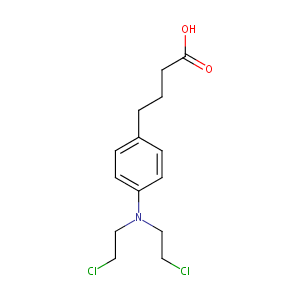
General Information of Drug Combination (ID: DC3JXB2)

Drug Combination Name
Crizotinib Chlorambucil
Indication
Disease Entry Status REF
Adenocarcinoma Investigative [1]
Component Drugs Crizotinib   DM4F29C Chlorambucil   DMRKE63
Small molecular drug Small molecular drug
2D MOL 2D MOL
3D MOL 3D MOL
High-throughput Screening Result Testing Cell Line: OVCAR3
Zero Interaction Potency (ZIP) Score: 0.44
Bliss Independence Score: 5.03
Loewe Additivity Score: 2.8
LHighest Single Agent (HSA) Score: 2.49

Molecular Interaction Atlas of This Drug Combination

Molecular Interaction Atlas (MIA)
Indication(s) of Crizotinib
Disease Entry ICD 11 Status REF
Non-small-cell lung cancer 2C25.Y Approved [2]
Crizotinib Interacts with 4 DTT Molecule(s)
DTT Name DTT ID UniProt ID Mode of Action REF
Proto-oncogene c-Met (MET) TTNDSF4 MET_HUMAN Modulator [8]
ALK tyrosine kinase receptor (ALK) TTPMQSO ALK_HUMAN Modulator [8]
Proto-oncogene c-Ros (ROS1) TTSZ6Y3 ROS1_HUMAN Modulator [8]
HGF/Met signaling pathway (HGF/Met pathway) TTKA5LP NOUNIPROTAC Inhibitor [9]
------------------------------------------------------------------------------------
Crizotinib Interacts with 3 DTP Molecule(s)
DTP Name DTP ID UniProt ID Mode of Action REF
P-glycoprotein 1 (ABCB1) DTUGYRD MDR1_HUMAN Substrate [10]
Organic anion transporting polypeptide 1B1 (SLCO1B1) DT3D8F0 SO1B1_HUMAN Substrate [11]
Organic anion transporting polypeptide 1B3 (SLCO1B3) DT9C1TS SO1B3_HUMAN Substrate [11]
------------------------------------------------------------------------------------
Crizotinib Interacts with 2 DME Molecule(s)
DME Name DME ID UniProt ID Mode of Action REF
Cytochrome P450 3A4 (CYP3A4) DE4LYSA CP3A4_HUMAN Metabolism [12]
Cytochrome P450 3A5 (CYP3A5) DEIBDNY CP3A5_HUMAN Metabolism [12]
------------------------------------------------------------------------------------
Crizotinib Interacts with 24 DOT Molecule(s)
DOT Name DOT ID UniProt ID Mode of Action REF
ATP-dependent translocase ABCB1 (ABCB1) OTEJROBO MDR1_HUMAN Decreases Activity [13]
Hepatocyte growth factor receptor (MET) OT7K55MU MET_HUMAN Increases Response To Substance [6]
CD44 antigen (CD44) OT9TTJ41 CD44_HUMAN Decreases Expression [5]
Epithelial cell adhesion molecule (EPCAM) OTHBZK5X EPCAM_HUMAN Decreases Expression [5]
Insulin-induced gene 1 protein (INSIG1) OTZF5X1D INSI1_HUMAN Increases Expression [14]
Hydroxymethylglutaryl-CoA synthase, cytoplasmic (HMGCS1) OTCO26FV HMCS1_HUMAN Increases Expression [14]
Sterol regulatory element-binding protein 2 (SREBF2) OTBXUNPL SRBP2_HUMAN Increases Expression [14]
Acetyl-CoA carboxylase 1 (ACACA) OT5CQPZY ACACA_HUMAN Increases Phosphorylation [14]
Voltage-dependent L-type calcium channel subunit alpha-1C (CACNA1C) OT6KFNMS CAC1C_HUMAN Decreases Activity [14]
Sodium channel protein type 5 subunit alpha (SCN5A) OTGYZWR6 SCN5A_HUMAN Decreases Activity [14]
Baculoviral IAP repeat-containing protein 5 (BIRC5) OTILXZYL BIRC5_HUMAN Decreases Expression [6]
Bcl-2-like protein 11 (BCL2L11) OTNQQWFJ B2L11_HUMAN Increases Expression [6]
Follitropin subunit beta (FSHB) OTGLS283 FSHB_HUMAN Decreases Secretion [15]
Lutropin subunit beta (LHB) OT5GBOVJ LSHB_HUMAN Decreases Secretion [15]
Tyrosine-protein kinase Lck (LCK) OT883FG9 LCK_HUMAN Decreases Activity [16]
Poly polymerase 1 (PARP1) OT310QSG PARP1_HUMAN Increases Cleavage [17]
Histone H2AX (H2AX) OT18UX57 H2AX_HUMAN Increases Phosphorylation [17]
Mitogen-activated protein kinase 3 (MAPK3) OTCYKGKO MK03_HUMAN Decreases Phosphorylation [18]
Mitogen-activated protein kinase 1 (MAPK1) OTH85PI5 MK01_HUMAN Decreases Phosphorylation [18]
Ras GTPase-activating-like protein IQGAP1 (IQGAP1) OTZRWTGA IQGA1_HUMAN Decreases Phosphorylation [19]
Small ribosomal subunit protein eS6 (RPS6) OTT4D1LN RS6_HUMAN Decreases Phosphorylation [20]
Baculoviral IAP repeat-containing protein 2 (BIRC2) OTFXFREP BIRC2_HUMAN Decreases Expression [6]
Broad substrate specificity ATP-binding cassette transporter ABCG2 (ABCG2) OTW8V2V1 ABCG2_HUMAN Decreases Activity [13]
Mast/stem cell growth factor receptor Kit (KIT) OTHUY3VZ KIT_HUMAN Decreases Response To Substance [21]
------------------------------------------------------------------------------------
⏷ Show the Full List of 24 DOT(s)
Indication(s) of Chlorambucil
Disease Entry ICD 11 Status REF
Chronic lymphocytic leukaemia 2A82.0 Approved [3]
Small lymphocytic lymphoma 2A82.0 Approved [4]
Classic Hodgkin lymphoma N.A. Investigative [4]
Follicular lymphoma 2A80 Investigative [4]
Chlorambucil Interacts with 1 DTT Molecule(s)
DTT Name DTT ID UniProt ID Mode of Action REF
DNA replication (DNA repli) TTABD5E NOUNIPROTAC Intercalator [22]
------------------------------------------------------------------------------------
Chlorambucil Interacts with 2 DTP Molecule(s)
DTP Name DTP ID UniProt ID Mode of Action REF
P-glycoprotein 1 (ABCB1) DTUGYRD MDR1_HUMAN Substrate [23]
Organic anion transporting polypeptide 1A2 (SLCO1A2) DTE2B1D SO1A2_HUMAN Substrate [24]
------------------------------------------------------------------------------------
Chlorambucil Interacts with 1 DME Molecule(s)
DME Name DME ID UniProt ID Mode of Action REF
Glutathione S-transferase pi (GSTP1) DEK6079 GSTP1_HUMAN Metabolism [25]
------------------------------------------------------------------------------------
Chlorambucil Interacts with 21 DOT Molecule(s)
DOT Name DOT ID UniProt ID Mode of Action REF
ATP-dependent translocase ABCB1 (ABCB1) OTEJROBO MDR1_HUMAN Increases Expression [26]
Aldo-keto reductase family 1 member B10 (AKR1B10) OTOA4HTH AK1BA_HUMAN Decreases Expression [27]
Aldo-keto reductase family 1 member C2 (AKR1C2) OTQ2XMO3 AK1C2_HUMAN Decreases Expression [27]
Bcl-2-interacting killer (BIK) OTTH1T3D BIK_HUMAN Increases Expression [27]
F-box only protein 30 (FBXO30) OTD1P6LA FBX30_HUMAN Decreases Expression [27]
Histone chaperone ASF1A (ASF1A) OT4S44GP ASF1A_HUMAN Decreases Expression [27]
Tumor necrosis factor receptor superfamily member 10A (TNFRSF10A) OTBPCU2O TR10A_HUMAN Affects Expression [28]
Tumor necrosis factor receptor superfamily member 10B (TNFRSF10B) OTA1CPBV TR10B_HUMAN Increases Expression [29]
Baculoviral IAP repeat-containing protein 5 (BIRC5) OTILXZYL BIRC5_HUMAN Affects Expression [30]
Myc proto-oncogene protein (MYC) OTPV5LUK MYC_HUMAN Increases Expression [31]
Histone H2AX (H2AX) OT18UX57 H2AX_HUMAN Increases Phosphorylation [32]
HLA class II histocompatibility antigen, DP alpha 1 chain (HLA-DPA1) OT7OG7Y2 DPA1_HUMAN Affects Expression [33]
Tumor necrosis factor receptor superfamily member 6 (FAS) OTP9XG86 TNR6_HUMAN Increases Expression [34]
14-3-3 protein sigma (SFN) OTLJCZ1U 1433S_HUMAN Increases Expression [29]
Cyclin-dependent kinase inhibitor 1 (CDKN1A) OTQWHCZE CDN1A_HUMAN Increases Expression [35]
Histone H4 (H4C1) OTB71W46 H4_HUMAN Decreases Expression [32]
kinase isozyme 4, mitochondrial (PDK4) OTCMHMBZ PDK4_HUMAN Affects Expression [36]
Bcl-2-binding component 3, isoforms 3/4 (BBC3) OTUAXDAY BBC3B_HUMAN Increases Expression [30]
Fanconi anemia group G protein (FANCG) OT7MC8TZ FANCG_HUMAN Increases Response To Substance [37]
Baculoviral IAP repeat-containing protein 2 (BIRC2) OTFXFREP BIRC2_HUMAN Decreases Response To Substance [38]
Fanconi anemia group C protein (FANCC) OTTIDM3P FANCC_HUMAN Increases Response To Substance [37]
------------------------------------------------------------------------------------
⏷ Show the Full List of 21 DOT(s)

Test Results of This Drug Combination in Other Disease Systems

Indication DrugCom ID Cell Line Status REF
Anaplastic large cell lymphoma DCUUUQB SR Investigative [1]
Clear cell renal cell carcinoma DCPBKL9 786-0 Investigative [1]
Invasive ductal carcinoma DCC7UAK T-47D Investigative [39]
------------------------------------------------------------------------------------

References

1 CheMBL Affinity Phenotypic Cellular Interaction Assay ID: CHEMBL1125966
2 URL: http://www.guidetopharmacology.org Nucleic Acids Res. 2015 Oct 12. pii: gkv1037. The IUPHAR/BPS Guide to PHARMACOLOGY in 2016: towards curated quantitative interactions between 1300 protein targets and 6000 ligands. (Ligand id: 4903).
3 URL: http://www.guidetopharmacology.org Nucleic Acids Res. 2015 Oct 12. pii: gkv1037. The IUPHAR/BPS Guide to PHARMACOLOGY in 2016: towards curated quantitative interactions between 1300 protein targets and 6000 ligands. (Ligand id: 7143).
4 Chlorambucil FDA Label
5 Enhancement of the antiproliferative activity of gemcitabine by modulation of c-Met pathway in pancreatic cancer. Curr Pharm Des. 2013;19(5):940-50.
6 Antitumor action of the MET tyrosine kinase inhibitor crizotinib (PF-02341066) in gastric cancer positive for MET amplification. Mol Cancer Ther. 2012 Jul;11(7):1557-64. doi: 10.1158/1535-7163.MCT-11-0934. Epub 2012 Jun 22.
7 Aberrant expression of the transcriptional factor Twist1 promotes invasiveness in ALK-positive anaplastic large cell lymphoma. Cell Signal. 2012 Apr;24(4):852-8. doi: 10.1016/j.cellsig.2011.11.020. Epub 2011 Dec 8.
8 Drugs@FDA. U.S. Food and Drug Administration. U.S. Department of Health & Human Services. 2015
9 Met tyrosine kinase inhibitor, PF-2341066, suppresses growth and invasion of nasopharyngeal carcinoma.Drug Des Devel Ther. 2015 Aug 26;9:4897-907.
10 Increased oral availability and brain accumulation of the ALK inhibitor crizotinib by coadministration of the P-glycoprotein (ABCB1) and breast cancer resistance protein (ABCG2) inhibitor elacridar. Int J Cancer. 2014 Mar 15;134(6):1484-94.
11 Contribution of OATP1B1 and OATP1B3 to the disposition of sorafenib and sorafenib-glucuronide. Clin Cancer Res. 2013 Mar 15;19(6):1458-66.
12 Crizotinib for the treatment of non-small-cell lung cancer. Am J Health Syst Pharm. 2013 Jun 1;70(11):943-7.
13 Editor's Highlight: PlacentalDisposition and Effects of Crizotinib: An Ex Vivo Study in the Isolated Dual-Side Perfused Human Cotyledon. Toxicol Sci. 2017 Jun 1;157(2):500-509. doi: 10.1093/toxsci/kfx063.
14 Multi-parameter in vitro toxicity testing of crizotinib, sunitinib, erlotinib, and nilotinib in human cardiomyocytes. Toxicol Appl Pharmacol. 2013 Oct 1;272(1):245-55.
15 Rapid-onset hypogonadism secondary to crizotinib use in men with metastatic nonsmall cell lung cancer. Cancer. 2012 Nov 1;118(21):5302-9. doi: 10.1002/cncr.27450. Epub 2012 Apr 4.
16 Structure based drug design of crizotinib (PF-02341066), a potent and selective dual inhibitor of mesenchymal-epithelial transition factor (c-MET) kinase and anaplastic lymphoma kinase (ALK). J Med Chem. 2011 Sep 22;54(18):6342-63. doi: 10.1021/jm2007613. Epub 2011 Aug 18.
17 ROS-dependent DNA damage contributes to crizotinib-induced hepatotoxicity via the apoptotic pathway. Toxicol Appl Pharmacol. 2019 Nov 15;383:114768. doi: 10.1016/j.taap.2019.114768. Epub 2019 Oct 19.
18 Therapeutic strategies to overcome crizotinib resistance in non-small cell lung cancers harboring the fusion oncogene EML4-ALK. Proc Natl Acad Sci U S A. 2011 May 3;108(18):7535-40. doi: 10.1073/pnas.1019559108. Epub 2011 Apr 18.
19 Tyrosine phosphorylation of the scaffold protein IQGAP1 in the MET pathway alters function. J Biol Chem. 2020 Dec 25;295(52):18105-18121. doi: 10.1074/jbc.RA120.015891. Epub 2020 Oct 21.
20 Crizotinib-resistant mutants of EML4-ALK identified through an accelerated mutagenesis screen. Chem Biol Drug Des. 2011 Dec;78(6):999-1005. doi: 10.1111/j.1747-0285.2011.01239.x. Epub 2011 Oct 31.
21 Mechanisms of acquired crizotinib resistance in ALK-rearranged lung Cancers. Sci Transl Med. 2012 Feb 8;4(120):120ra17. doi: 10.1126/scitranslmed.3003316. Epub 2012 Jan 25.
22 Roles of DNA repair and reductase activity in the cytotoxicity of the hypoxia-activated dinitrobenzamide mustard PR-104A. Mol Cancer Ther. 2009 Jun;8(6):1714-23.
23 Mammalian drug efflux transporters of the ATP binding cassette (ABC) family in multidrug resistance: A review of the past decade. Cancer Lett. 2016 Jan 1;370(1):153-64.
24 Transporters and renal drug elimination. Annu Rev Pharmacol Toxicol. 2004;44:137-66.
25 The anti-cancer drug chlorambucil as a substrate for the human polymorphic enzyme glutathione transferase P1-1: kinetic properties and crystallographic characterisation of allelic variants. J Mol Biol. 2008 Jun 27;380(1):131-44.
26 Enhanced in vitro invasiveness and drug resistance with altered gene expression patterns in a human lung carcinoma cell line after pulse selection with anticancer drugs. Int J Cancer. 2004 Sep 10;111(4):484-93. doi: 10.1002/ijc.20230.
27 Oxidative stress mechanisms do not discriminate between genotoxic and nongenotoxic liver carcinogens. Chem Res Toxicol. 2015 Aug 17;28(8):1636-46.
28 Role of the TRAIL/APO2-L death receptors in chlorambucil- and fludarabine-induced apoptosis in chronic lymphocytic leukemia. Oncogene. 2003 Nov 13;22(51):8356-69. doi: 10.1038/sj.onc.1207004.
29 Differential effects of chemotherapeutic drugs versus the MDM-2 antagonist nutlin-3 on cell cycle progression and induction of apoptosis in SKW6.4 lymphoblastoid B-cells. J Cell Biochem. 2008 May 15;104(2):595-605. doi: 10.1002/jcb.21649.
30 Differential gene expression induction by TRAIL in B chronic lymphocytic leukemia (B-CLL) cells showing high versus low levels of Zap-70. J Cell Physiol. 2007 Oct;213(1):229-36. doi: 10.1002/jcp.21116.
31 Theophylline synergizes with chlorambucil in inducing apoptosis of B-chronic lymphocytic leukemia cells. Blood. 1996 Sep 15;88(6):2172-82.
32 A two-hit mechanism for pre-mitotic arrest of cancer cell proliferation by a polyamide-alkylator conjugate. Cell Cycle. 2006 Jul;5(14):1537-48. doi: 10.4161/cc.5.14.2913. Epub 2006 Jul 17.
33 Systems pharmacological analysis of drugs inducing stevens-johnson syndrome and toxic epidermal necrolysis. Chem Res Toxicol. 2015 May 18;28(5):927-34. doi: 10.1021/tx5005248. Epub 2015 Apr 3.
34 Caspase 8 activation independent of Fas (CD95/APO-1) signaling may mediate killing of B-chronic lymphocytic leukemia cells by cytotoxic drugs or gamma radiation. Blood. 2001 Nov 1;98(9):2800-7. doi: 10.1182/blood.v98.9.2800.
35 Disruption of gene expression and induction of apoptosis in prostate cancer cells by a DNA-damaging agent tethered to an androgen receptor ligand. Chem Biol. 2005 Jul;12(7):779-87. doi: 10.1016/j.chembiol.2005.05.009.
36 The MT1G Gene in LUHMES Neurons Is a Sensitive Biomarker of Neurotoxicity. Neurotox Res. 2020 Dec;38(4):967-978. doi: 10.1007/s12640-020-00272-3. Epub 2020 Sep 1.
37 In vivo therapeutic responses contingent on Fanconi anemia/BRCA2 status of the tumor. Clin Cancer Res. 2005 Oct 15;11(20):7508-15. doi: 10.1158/1078-0432.CCR-05-1048.
38 Expression and prognostic significance of IAP-family genes in human cancers and myeloid leukemias. Clin Cancer Res. 2000 May;6(5):1796-803.
39 CheMBL Affinity Phenotypic Cellular Interaction Assay ID: CHEMBL1126165