General Information of Drug Combination (ID: DCCWRDG)

Drug Combination Name
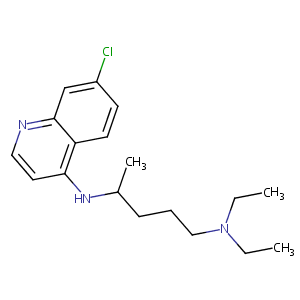
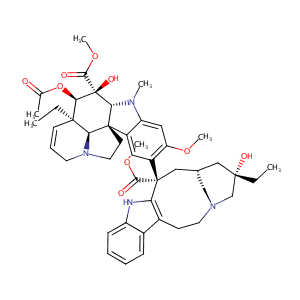
Chloroquine Vinblastine
Indication
Disease Entry Status REF
Chronic myelogenous leukemia Investigative [1]
Component Drugs Chloroquine   DMSI5CB Vinblastine   DM5TVS3
Small molecular drug Small molecular drug
2D MOL 2D MOL
3D MOL 3D MOL
High-throughput Screening Result Testing Cell Line: KBM-7
Zero Interaction Potency (ZIP) Score: 5.2
Bliss Independence Score: 5.2
Loewe Additivity Score: 5.64
LHighest Single Agent (HSA) Score: 5.73

Molecular Interaction Atlas of This Drug Combination

Molecular Interaction Atlas (MIA)
Indication(s) of Chloroquine
Disease Entry ICD 11 Status REF
Malaria 1F40-1F45 Approved [2]
Plasmodium falciparum malaria 1F40 Approved [3]
Plasmodium malariae malaria N.A. Approved [3]
Plasmodium ovale malaria N.A. Approved [3]
Systemic lupus erythematosus 4A40.0 Approved [3]
Coronavirus Disease 2019 (COVID-19) 1D6Y Phase 3 [4]
Middle East Respiratory Syndrome (MERS) 1D64 Investigative [5]
Severe acute respiratory syndrome (SARS) 1D65 Investigative [6]
Chloroquine Interacts with 3 DTT Molecule(s)
DTT Name DTT ID UniProt ID Mode of Action REF
HUMAN pH-dependent viral fusion/replication (pH-DVF/R) TTD16BI N.A. Inhibitor [9]
HUMAN glycosylation of host receptor (GHR) TTZGK1R N.A. Inhibitor [9]
Duffy antigen chemokine receptor (ACKR1) TTKY2NS ACKR1_HUMAN Modulator [10]
------------------------------------------------------------------------------------
Chloroquine Interacts with 2 DTP Molecule(s)
DTP Name DTP ID UniProt ID Mode of Action REF
P-glycoprotein 1 (ABCB1) DTUGYRD MDR1_HUMAN Substrate [11]
Multidrug and toxin extrusion protein 1 (SLC47A1) DTZGT0P S47A1_HUMAN Substrate [12]
------------------------------------------------------------------------------------
Chloroquine Interacts with 5 DME Molecule(s)
DME Name DME ID UniProt ID Mode of Action REF
Cytochrome P450 3A4 (CYP3A4) DE4LYSA CP3A4_HUMAN Metabolism [13]
Cytochrome P450 1A1 (CYP1A1) DE6OQ3W CP1A1_HUMAN Metabolism [14]
Cytochrome P450 2D6 (CYP2D6) DECB0K3 CP2D6_HUMAN Metabolism [15]
Cytochrome P450 3A5 (CYP3A5) DEIBDNY CP3A5_HUMAN Metabolism [13]
Cytochrome P450 2C8 (CYP2C8) DES5XRU CP2C8_HUMAN Metabolism [16]
------------------------------------------------------------------------------------
Chloroquine Interacts with 42 DOT Molecule(s)
DOT Name DOT ID UniProt ID Mode of Action REF
Tumor necrosis factor receptor superfamily member 10A (TNFRSF10A) OTBPCU2O TR10A_HUMAN Increases Expression [17]
Inhibitor of nuclear factor kappa-B kinase subunit alpha (CHUK) OTLF4ZB1 IKKA_HUMAN Decreases Expression [18]
Trans-Golgi network integral membrane protein 2 (TGOLN2) OTM647IV TGON2_HUMAN Affects Localization [19]
Claudin-1 (CLDN1) OT27KV99 CLD1_HUMAN Increases Expression [20]
Metalloproteinase inhibitor 1 (TIMP1) OTOXC51H TIMP1_HUMAN Decreases Expression [21]
Ferritin heavy chain (FTH1) OT6IFS0O FRIH_HUMAN Increases Expression [21]
Receptor tyrosine-protein kinase erbB-2 (ERBB2) OTOAUNCK ERBB2_HUMAN Decreases Expression [22]
Apolipoprotein D (APOD) OTT77XW8 APOD_HUMAN Affects Localization [23]
ATP-dependent translocase ABCB1 (ABCB1) OTEJROBO MDR1_HUMAN Decreases Expression [17]
Poly polymerase 1 (PARP1) OT310QSG PARP1_HUMAN Increases Cleavage [24]
Interleukin-8 (CXCL8) OTS7T5VH IL8_HUMAN Increases Expression [25]
C-C motif chemokine 2 (CCL2) OTAD2HEL CCL2_HUMAN Increases Expression [25]
Nuclear factor NF-kappa-B p105 subunit (NFKB1) OTNRRD8I NFKB1_HUMAN Decreases Expression [18]
Cation-dependent mannose-6-phosphate receptor (M6PR) OTFEWOSB MPRD_HUMAN Affects Localization [19]
Receptor tyrosine-protein kinase erbB-3 (ERBB3) OTRSST0A ERBB3_HUMAN Decreases Expression [22]
Mitogen-activated protein kinase 3 (MAPK3) OTCYKGKO MK03_HUMAN Decreases Phosphorylation [26]
Mitogen-activated protein kinase 1 (MAPK1) OTH85PI5 MK01_HUMAN Decreases Phosphorylation [26]
DNA damage-inducible transcript 3 protein (DDIT3) OTI8YKKE DDIT3_HUMAN Increases Expression [27]
Cyclin-dependent kinase inhibitor 1 (CDKN1A) OTQWHCZE CDN1A_HUMAN Increases Expression [28]
Aquaporin-2 (AQP2) OTQLBKK6 AQP2_HUMAN Decreases Expression [29]
Collagenase 3 (MMP13) OTY8BZIE MMP13_HUMAN Increases Expression [30]
Coatomer subunit delta (ARCN1) OTJ96STE COPD_HUMAN Affects Localization [19]
Eotaxin (CCL11) OT3BIFPK CCL11_HUMAN Decreases Secretion [31]
Microsomal triglyceride transfer protein large subunit (MTTP) OTNUVSDT MTP_HUMAN Increases Expression [32]
Gamma-aminobutyric acid receptor-associated protein-like 2 (GABARAPL2) OTS7YVHF GBRL2_HUMAN Increases Expression [33]
Rho-related GTP-binding protein RhoB (RHOB) OTHQFQF7 RHOB_HUMAN Increases Expression [33]
Transcription factor p65 (RELA) OTUJP9CN TF65_HUMAN Decreases Expression [18]
Golgin subfamily A member 2 (GOLGA2) OT5S9KYM GOGA2_HUMAN Affects Localization [19]
BCL2/adenovirus E1B 19 kDa protein-interacting protein 3 (BNIP3) OT4SO7J4 BNIP3_HUMAN Increases Expression [34]
Serine-protein kinase ATM (ATM) OTQVOHLT ATM_HUMAN Increases Phosphorylation [35]
Early endosome antigen 1 (EEA1) OTIBXC1B EEA1_HUMAN Affects Localization [19]
Occludin (OCLN) OTSUTVWL OCLN_HUMAN Increases Expression [20]
Tribbles homolog 3 (TRIB3) OTG5OS7X TRIB3_HUMAN Increases Expression [27]
Microtubule-associated proteins 1A/1B light chain 3B (MAP1LC3B) OTUYHB84 MLP3B_HUMAN Increases Expression [36]
Autophagy protein 5 (ATG5) OT4T5SMS ATG5_HUMAN Increases Expression [37]
Microtubule-associated proteins 1A/1B light chain 3A (MAP1LC3A) OTPMGIU4 MLP3A_HUMAN Increases Expression [38]
NAD-dependent protein deacetylase sirtuin-3, mitochondrial (SIRT3) OTMEF544 SIR3_HUMAN Increases Stability [39]
Programmed cell death 1 ligand 1 (CD274) OTJ0VFDL PD1L1_HUMAN Decreases Expression [17]
Broad substrate specificity ATP-binding cassette transporter ABCG2 (ABCG2) OTW8V2V1 ABCG2_HUMAN Decreases Expression [17]
NF-kappa-B essential modulator (IKBKG) OTNWJWSD NEMO_HUMAN Decreases Expression [18]
Solute carrier organic anion transporter family member 1B1 (SLCO1B1) OTNEN8QK SO1B1_HUMAN Affects Localization [40]
Linker for activation of T-cells family member 2 (LAT2) OTWJDKIH NTAL_HUMAN Increases Response To Substance [41]
------------------------------------------------------------------------------------
⏷ Show the Full List of 42 DOT(s)
Indication(s) of Vinblastine
Disease Entry ICD 11 Status REF
Advanced cancer 2A00-2F9Z Approved [7]
Anterior urethra cancer N.A. Approved [7]
Extragonadal germ cell tumor N.A. Approved [7]
Gestational trophoblastic neoplasia 2F33-2F76 Approved [7]
Kaposi sarcoma 2B57 Approved [7]
Mycosis fungoides 2B01 Approved [7]
Posterior urethra cancer N.A. Approved [7]
Solid tumour/cancer 2A00-2F9Z Approved [8]
Testicular cancer 2C80 Approved [7]
Testicular germ cell tumor N.A. Approved [7]
Classic Hodgkin lymphoma N.A. Investigative [7]
Vinblastine Interacts with 1 DTT Molecule(s)
DTT Name DTT ID UniProt ID Mode of Action REF
Tubulin beta-2 chain (TUBB2) TTJ2PTI TBB2A_HUMAN Inhibitor [43]
------------------------------------------------------------------------------------
Vinblastine Interacts with 5 DTP Molecule(s)
DTP Name DTP ID UniProt ID Mode of Action REF
Multidrug resistance-associated protein 1 (ABCC1) DTSYQGK MRP1_HUMAN Substrate [44]
Multidrug resistance-associated protein 2 (ABCC2) DTFI42L MRP2_HUMAN Substrate [45]
P-glycoprotein 1 (ABCB1) DTUGYRD MDR1_HUMAN Substrate [46]
Breast cancer resistance protein (ABCG2) DTI7UX6 ABCG2_HUMAN Substrate [47]
Multidrug resistance protein 3 (ABCB4) DTZRMK5 MDR3_HUMAN Substrate [48]
------------------------------------------------------------------------------------
Vinblastine Interacts with 3 DME Molecule(s)
DME Name DME ID UniProt ID Mode of Action REF
Cytochrome P450 3A4 (CYP3A4) DE4LYSA CP3A4_HUMAN Metabolism [49]
Cytochrome P450 2D6 (CYP2D6) DECB0K3 CP2D6_HUMAN Metabolism [50]
Cytochrome P450 3A5 (CYP3A5) DEIBDNY CP3A5_HUMAN Metabolism [51]
------------------------------------------------------------------------------------
Vinblastine Interacts with 154 DOT Molecule(s)
DOT Name DOT ID UniProt ID Mode of Action REF
ATP-dependent translocase ABCB1 (ABCB1) OTEJROBO MDR1_HUMAN Decreases Response To Substance [52]
Bile salt export pump (ABCB11) OTRU7THO ABCBB_HUMAN Decreases Activity [53]
Nuclear receptor subfamily 1 group I member 2 (NR1I2) OTC5U0N5 NR1I2_HUMAN Increases Activity [54]
Superoxide dismutase , mitochondrial (SOD2) OTIWXGZ9 SODM_HUMAN Increases Expression [55]
Transcription factor Jun (JUN) OTCYBO6X JUN_HUMAN Increases Phosphorylation [56]
Interleukin-8 (CXCL8) OTS7T5VH IL8_HUMAN Increases Stability [57]
Mitogen-activated protein kinase 8 (MAPK8) OTEREYS5 MK08_HUMAN Increases Phosphorylation [56]
Mitogen-activated protein kinase 9 (MAPK9) OTCEVJ9E MK09_HUMAN Increases Phosphorylation [56]
Tumor necrosis factor ligand superfamily member 6 (FASLG) OTZARCHH TNFL6_HUMAN Increases Expression [58]
Nuclear factor of activated T-cells, cytoplasmic 4 (NFATC4) OTTDCUAO NFAC4_HUMAN Decreases Localization [59]
Transcriptional regulator QRICH1 (QRICH1) OTPVAX04 QRIC1_HUMAN Increases Phosphorylation [60]
Sorting nexin-10 (SNX10) OT05B7BT SNX10_HUMAN Affects Response To Substance [42]
Histone H1.2 (H1-2) OT0AVI4M H12_HUMAN Affects Response To Substance [42]
Friend leukemia integration 1 transcription factor (FLI1) OT0EV3LX FLI1_HUMAN Affects Response To Substance [42]
Histone H3-like centromeric protein A (CENPA) OT0NEJ4X CENPA_HUMAN Affects Response To Substance [42]
DNA polymerase zeta catalytic subunit (REV3L) OT0OP8EJ REV3L_HUMAN Affects Response To Substance [42]
Rab11 family-interacting protein 1 (RAB11FIP1) OT0T71OW RFIP1_HUMAN Affects Response To Substance [42]
Oxysterol-binding protein-related protein 10 (OSBPL10) OT0TFMBE OSB10_HUMAN Affects Response To Substance [42]
NADH dehydrogenase 1 alpha subcomplex subunit 13 (NDUFA13) OT0UOKIT NDUAD_HUMAN Affects Response To Substance [42]
Tripartite motif-containing protein 2 (TRIM2) OT0V1YVC TRIM2_HUMAN Affects Response To Substance [42]
Lamin-B1 (LMNB1) OT100T3P LMNB1_HUMAN Affects Response To Substance [42]
Condensin complex subunit 3 (NCAPG) OT1AI9EO CND3_HUMAN Affects Response To Substance [42]
m7GpppX diphosphatase (DCPS) OT1FZVC9 DCPS_HUMAN Affects Response To Substance [42]
KN motif and ankyrin repeat domain-containing protein 1 (KANK1) OT2E7A6W KANK1_HUMAN Affects Response To Substance [42]
U11/U12 small nuclear ribonucleoprotein 25 kDa protein (SNRNP25) OT2MR6O2 SNR25_HUMAN Affects Response To Substance [42]
Pyruvate dehydrogenase E1 component subunit beta, mitochondrial (PDHB) OT2NHE5E ODPB_HUMAN Affects Response To Substance [42]
N-acetylglucosamine-1-phosphotransferase subunits alpha/beta (GNPTAB) OT2Z03OB GNPTA_HUMAN Affects Response To Substance [42]
Baculoviral IAP repeat-containing protein 3 (BIRC3) OT3E95KB BIRC3_HUMAN Affects Response To Substance [42]
Chromosome-associated kinesin KIF4A (KIF4A) OT3UWL7D KIF4A_HUMAN Affects Response To Substance [42]
NADH dehydrogenase 1 beta subcomplex subunit 2, mitochondrial (NDUFB2) OT4717TF NDUB2_HUMAN Affects Response To Substance [42]
c-Myc-binding protein (MYCBP) OT4IZR4R MYCBP_HUMAN Affects Response To Substance [42]
Hyaluronan mediated motility receptor (HMMR) OT4M0JTZ HMMR_HUMAN Affects Response To Substance [42]
Transcription termination factor 2 (TTF2) OT5LJOWM TTF2_HUMAN Affects Response To Substance [42]
Peptidyl-prolyl cis-trans isomerase FKBP1A (FKBP1A) OT6285L4 FKB1A_HUMAN Affects Response To Substance [42]
Electron transfer flavoprotein subunit beta (ETFB) OT6Q6FBD ETFB_HUMAN Affects Response To Substance [42]
Flap endonuclease 1 (FEN1) OT6QGG7O FEN1_HUMAN Affects Response To Substance [42]
G-protein-signaling modulator 2 (GPSM2) OT6RPMRM GPSM2_HUMAN Affects Response To Substance [42]
Plasminogen activator inhibitor 2 (SERPINB2) OT72QLZB PAI2_HUMAN Affects Response To Substance [42]
CD40 ligand (CD40LG) OT75Z6A6 CD40L_HUMAN Decreases Response To Substance [61]
Mitotic checkpoint serine/threonine-protein kinase BUB1 (BUB1) OT80DZMT BUB1_HUMAN Affects Response To Substance [42]
Nucleolar and spindle-associated protein 1 (NUSAP1) OT85HIJ5 NUSAP_HUMAN Affects Response To Substance [42]
Pirin (PIR) OT8ALXHU PIR_HUMAN Affects Response To Substance [42]
NADH dehydrogenase 1 alpha subcomplex subunit 7 (NDUFA7) OT8CV3H5 NDUA7_HUMAN Affects Response To Substance [42]
G0/G1 switch protein 2 (G0S2) OT8FL49L G0S2_HUMAN Affects Response To Substance [42]
Replication protein A 14 kDa subunit (RPA3) OT8JAQGL RFA3_HUMAN Affects Response To Substance [42]
Deoxyribose-phosphate aldolase (DERA) OT8SMO3N DEOC_HUMAN Affects Response To Substance [42]
NADH dehydrogenase iron-sulfur protein 6, mitochondrial (NDUFS6) OT9IOONQ NDUS6_HUMAN Affects Response To Substance [42]
NADH dehydrogenase 1 subunit C2 (NDUFC2) OT9M119L NDUC2_HUMAN Affects Response To Substance [42]
High mobility group nucleosome-binding domain-containing protein 3 (HMGN3) OTA2TBWS HMGN3_HUMAN Affects Response To Substance [42]
Diphosphoinositol polyphosphate phosphohydrolase NUDT4B (NUDT4) OTA6ICI2 NUD4B_HUMAN Affects Response To Substance [42]
Cysteine-rich PDZ-binding protein (CRIPT) OTA6M8M4 CRIPT_HUMAN Affects Response To Substance [42]
Replication factor C subunit 5 (RFC5) OTAD79RT RFC5_HUMAN Affects Response To Substance [42]
ATP synthase subunit e, mitochondrial (ATP5ME) OTADVEE2 ATP5I_HUMAN Affects Response To Substance [42]
Transmembrane protein 14A (TMEM14A) OTANQA6G TM14A_HUMAN Affects Response To Substance [42]
Shootin-1 (SHTN1) OTB07MOG SHOT1_HUMAN Affects Response To Substance [42]
Insulin-like growth factor 2 mRNA-binding protein 3 (IGF2BP3) OTB97VIK IF2B3_HUMAN Affects Response To Substance [42]
Membrane-associated progesterone receptor component 1 (PGRMC1) OTBE6WAC PGRC1_HUMAN Affects Response To Substance [42]
Probable ATP-dependent RNA helicase DDX23 (DDX23) OTBJHS8C DDX23_HUMAN Affects Response To Substance [42]
Protein FAM3C (FAM3C) OTBR6U9G FAM3C_HUMAN Affects Response To Substance [42]
Transmembrane protein 134 (TMEM134) OTBX9H9D TM134_HUMAN Affects Response To Substance [42]
CCN family member 2 (CCN2) OTC39NSU CCN2_HUMAN Affects Response To Substance [42]
Cyclin-dependent kinase 4 inhibitor C (CDKN2C) OTCLOV90 CDN2C_HUMAN Affects Response To Substance [42]
Cytoskeleton-associated protein 2 (CKAP2) OTCLTC0J CKAP2_HUMAN Affects Response To Substance [42]
Tetraspanin-13 (TSPAN13) OTCS9BZY TSN13_HUMAN Affects Response To Substance [42]
Succinate--CoA ligase subunit alpha, mitochondrial (SUCLG1) OTDCSPXH SUCA_HUMAN Affects Response To Substance [42]
Proteasome activator complex subunit 4 (PSME4) OTDGF53O PSME4_HUMAN Affects Response To Substance [42]
Gamma-adducin (ADD3) OTDRSHAZ ADDG_HUMAN Affects Response To Substance [42]
Superkiller complex protein 8 (SKIC8) OTDSQYDN SKI8_HUMAN Affects Response To Substance [42]
EF-hand calcium-binding domain-containing protein 7 (EFCAB7) OTE0EG10 EFCB7_HUMAN Affects Response To Substance [42]
ATP synthase subunit f, mitochondrial (ATP5MF) OTE4TBG9 ATPK_HUMAN Affects Response To Substance [42]
Protein pelota homolog (PELO) OTF3WLIM PELO_HUMAN Affects Response To Substance [42]
Exosome complex component RRP45 (EXOSC9) OTFKB37F EXOS9_HUMAN Affects Response To Substance [42]
Baculoviral IAP repeat-containing protein 2 (BIRC2) OTFXFREP BIRC2_HUMAN Affects Response To Substance [42]
Phospholipid-transporting ATPase ABCA3 (ABCA3) OTH6MSKQ ABCA3_HUMAN Decreases Response To Substance [62]
Transmembrane protein 156 (TMEM156) OTH7YJID TM156_HUMAN Affects Response To Substance [42]
Epithelial cell adhesion molecule (EPCAM) OTHBZK5X EPCAM_HUMAN Affects Response To Substance [42]
Protein regulator of cytokinesis 1 (PRC1) OTHD0XS0 PRC1_HUMAN Affects Response To Substance [42]
Actin-binding LIM protein 1 (ABLIM1) OTHXEK3E ABLM1_HUMAN Affects Response To Substance [42]
U6 snRNA-associated Sm-like protein LSm7 (LSM7) OTHZ2XPX LSM7_HUMAN Affects Response To Substance [42]
Kinesin-like protein KIF1B (KIF1B) OTI1XQTO KIF1B_HUMAN Affects Response To Substance [42]
Interstitial collagenase (MMP1) OTI4I2V1 MMP1_HUMAN Affects Response To Substance [42]
Protein Mis18-beta (OIP5) OTI5C2DE MS18B_HUMAN Affects Response To Substance [42]
G2/mitotic-specific cyclin-B2 (CCNB2) OTIEXTDK CCNB2_HUMAN Affects Response To Substance [42]
Securin (PTTG1) OTIMYS4W PTTG1_HUMAN Affects Response To Substance [42]
Baculoviral IAP repeat-containing protein 7 (BIRC7) OTITCGHB BIRC7_HUMAN Decreases Response To Substance [63]
NADH dehydrogenase 1 subunit C1, mitochondrial (NDUFC1) OTJ5TNHB NDUC1_HUMAN Affects Response To Substance [42]
Low molecular weight phosphotyrosine protein phosphatase (ACP1) OTJ9CKLU PPAC_HUMAN Affects Response To Substance [42]
G/T mismatch-specific thymine DNA glycosylase (TDG) OTJB0YIH TDG_HUMAN Affects Response To Substance [42]
E3 ubiquitin-protein ligase FANCL (FANCL) OTJC7QPQ FANCL_HUMAN Affects Response To Substance [42]
Hydroxyacyl-coenzyme A dehydrogenase, mitochondrial (HADH) OTJDOL20 HCDH_HUMAN Affects Response To Substance [42]
Kinesin-like protein KIF15 (KIF15) OTJRJEXL KIF15_HUMAN Affects Response To Substance [42]
TBC1 domain family member 4 (TBC1D4) OTK66C40 TBCD4_HUMAN Affects Response To Substance [42]
Tyrosine-protein kinase receptor UFO (AXL) OTKA2SUX UFO_HUMAN Affects Response To Substance [42]
Gamma-glutamylcyclotransferase (GGCT) OTKAICP5 GGCT_HUMAN Affects Response To Substance [42]
NADH dehydrogenase 1 alpha subcomplex subunit 1 (NDUFA1) OTKBUQXP NDUA1_HUMAN Affects Response To Substance [42]
Origin recognition complex subunit 6 (ORC6) OTKQN3KP ORC6_HUMAN Affects Response To Substance [42]
Sideroflexin-1 (SFXN1) OTL66767 SFXN1_HUMAN Affects Response To Substance [42]
Lamina-associated polypeptide 2, isoform alpha (TMPO) OTL68EL4 LAP2A_HUMAN Affects Response To Substance [42]
Transcription factor E2F1 (E2F1) OTLKYBBC E2F1_HUMAN Increases Response To Substance [64]
Striatin (STRN) OTLOZL5I STRN_HUMAN Affects Response To Substance [42]
Succinate--CoA ligase subunit beta, mitochondrial (SUCLA2) OTMZD4PW SUCB1_HUMAN Affects Response To Substance [42]
Protein downstream neighbor of Son (DONSON) OTN5HE0W DONS_HUMAN Affects Response To Substance [42]
Cytochrome c oxidase subunit 6B1 (COX6B1) OTNKXYQI CX6B1_HUMAN Affects Response To Substance [42]
Keratinocyte-associated transmembrane protein 2 (C5ORF15) OTO126A1 KCT2_HUMAN Affects Response To Substance [42]
Receptor tyrosine-protein kinase erbB-2 (ERBB2) OTOAUNCK ERBB2_HUMAN Affects Response To Substance [65]
tRNA (TRMT5) OTOAZBPD TRM5_HUMAN Affects Response To Substance [42]
Cytochrome c oxidase subunit 5A, mitochondrial (COX5A) OTP0961M COX5A_HUMAN Affects Response To Substance [42]
DNA fragmentation factor subunit beta (DFFB) OTPBW5N5 DFFB_HUMAN Affects Response To Substance [42]
Interleukin-13 receptor subunit alpha-2 (IL13RA2) OTPC2G0X I13R2_HUMAN Affects Response To Substance [42]
DNA dC->dU-editing enzyme APOBEC-3C (APOBEC3C) OTPL0AI1 ABC3C_HUMAN Affects Response To Substance [42]
Kazrin (KAZN) OTPM7BYM KAZRN_HUMAN Affects Response To Substance [42]
G2 and S phase-expressed protein 1 (GTSE1) OTPP742Z GTSE1_HUMAN Affects Response To Substance [42]
Prostaglandin E synthase 3 (PTGES3) OTPPQWI0 TEBP_HUMAN Affects Response To Substance [42]
Epithelial membrane protein 2 (EMP2) OTPS2H0L EMP2_HUMAN Affects Response To Substance [42]
Ornithine decarboxylase antizyme 1 (OAZ1) OTPT0PKZ OAZ1_HUMAN Affects Response To Substance [42]
Sister chromatid cohesion protein DCC1 (DSCC1) OTPUVLZT DCC1_HUMAN Affects Response To Substance [42]
Myc proto-oncogene protein (MYC) OTPV5LUK MYC_HUMAN Affects Response To Substance [66]
Pentraxin-related protein PTX3 (PTX3) OTPXHRKU PTX3_HUMAN Affects Response To Substance [42]
Ran-specific GTPase-activating protein (RANBP1) OTQE226K RANG_HUMAN Affects Response To Substance [42]
Rac GTPase-activating protein 1 (RACGAP1) OTQE8IEH RGAP1_HUMAN Affects Response To Substance [42]
MAPK/MAK/MRK overlapping kinase (MOK) OTQK7M9V MOK_HUMAN Affects Response To Substance [42]
Solute carrier family 22 member 3 (SLC22A3) OTQYGVXX S22A3_HUMAN Affects Response To Substance [42]
Large ribosomal subunit protein mL63 (MRPL57) OTRB659E RT63_HUMAN Affects Response To Substance [42]
Olfactory receptor 1I1 (OR1I1) OTRFD8BH OR1I1_HUMAN Affects Response To Substance [42]
Protein CREG1 (CREG1) OTRHJ8HK CREG1_HUMAN Affects Response To Substance [42]
Proepiregulin (EREG) OTRM4NQY EREG_HUMAN Affects Response To Substance [42]
Kinetochore protein NDC80 homolog (NDC80) OTS7D306 NDC80_HUMAN Affects Response To Substance [42]
Latent-transforming growth factor beta-binding protein 2 (LTBP2) OTS88GSD LTBP2_HUMAN Affects Response To Substance [42]
Tumor protein D53 (TPD52L1) OTSA6U0I TPD53_HUMAN Affects Response To Substance [42]
Leucine-rich repeat-containing protein 1 (LRRC1) OTSVD30Q LRRC1_HUMAN Affects Response To Substance [42]
NADH dehydrogenase flavoprotein 2, mitochondrial (NDUFV2) OTSZF7D6 NDUV2_HUMAN Affects Response To Substance [42]
Plasminogen activator inhibitor 1 (SERPINE1) OTT0MPQ3 PAI1_HUMAN Affects Response To Substance [42]
Rho GTPase-activating protein SYDE1 (SYDE1) OTTIAF4D SYDE1_HUMAN Affects Response To Substance [42]
Isocitrate dehydrogenase , mitochondrial (IDH2) OTTQA4PB IDHP_HUMAN Affects Response To Substance [42]
Importin subunit alpha-1 (KPNA2) OTU7FOE6 IMA1_HUMAN Affects Response To Substance [42]
General transcription factor II-I (GTF2I) OTUYL1TQ GTF2I_HUMAN Affects Response To Substance [42]
Integrin beta-1-binding protein 1 (ITGB1BP1) OTVQFNGS ITBP1_HUMAN Affects Response To Substance [42]
Transcription factor IIIA (GTF3A) OTVROUVQ TF3A_HUMAN Affects Response To Substance [42]
Serine/threonine-protein kinase 26 (STK26) OTW4QE0D STK26_HUMAN Affects Response To Substance [42]
Homer protein homolog 1 (HOMER1) OTWFD3SI HOME1_HUMAN Affects Response To Substance [42]
Divergent protein kinase domain 1A (DIPK1A) OTWS5V2I DIK1A_HUMAN Affects Response To Substance [42]
Hematopoietic lineage cell-specific protein (HCLS1) OTX7WGYN HCLS1_HUMAN Affects Response To Substance [42]
Nucleotide triphosphate diphosphatase NUDT15 (NUDT15) OTX8SZOT NUD15_HUMAN Affects Response To Substance [42]
NADH dehydrogenase 1 alpha subcomplex subunit 3 (NDUFA3) OTXL10N9 NDUA3_HUMAN Affects Response To Substance [42]
Mitotic spindle assembly checkpoint protein MAD2A (MAD2L1) OTXNGZCG MD2L1_HUMAN Affects Response To Substance [42]
Kinesin-like protein KIF20A (KIF20A) OTXOQHE0 KI20A_HUMAN Affects Response To Substance [42]
Condensin complex subunit 2 (NCAPH) OTXOS97C CND2_HUMAN Affects Response To Substance [42]
Kinesin-like protein KIF23 (KIF23) OTY850JC KIF23_HUMAN Affects Response To Substance [42]
Protein FAN (NSMAF) OTYNVZ23 FAN_HUMAN Affects Response To Substance [42]
Proteasome subunit beta type-1 (PSMB1) OTYRFBAH PSB1_HUMAN Affects Response To Substance [42]
Acetyl-CoA acetyltransferase, cytosolic (ACAT2) OTZ092ZJ THIC_HUMAN Affects Response To Substance [42]
G-protein coupled receptor 176 (GPR176) OTZ8PL9B GP176_HUMAN Affects Response To Substance [42]
Tissue factor pathway inhibitor 2 (TFPI2) OTZCRWOR TFPI2_HUMAN Affects Response To Substance [42]
C-X-C motif chemokine 5 (CXCL5) OTZOUPCA CXCL5_HUMAN Affects Response To Substance [42]
------------------------------------------------------------------------------------
⏷ Show the Full List of 154 DOT(s)

References

1 CheMBL Affinity Phenotypic Cellular Interaction Assay ID: CHEMBL1125966
2 URL: http://www.guidetopharmacology.org Nucleic Acids Res. 2015 Oct 12. pii: gkv1037. The IUPHAR/BPS Guide to PHARMACOLOGY in 2016: towards curated quantitative interactions between 1300 protein targets and 6000 ligands. (Ligand id: 5535).
3 Chloroquine FDA Label
4 ClinicalTrials.gov (NCT04360759) Chloroquine Outpatient Treatment Evaluation for HIV-Covid-19. U.S. National Institutes of Health.
5 Coronaviruses - drug discovery and therapeutic options. Nat Rev Drug Discov. 2016 May;15(5):327-47.
6 Therapeutic options for the 2019 novel coronavirus (2019-nCoV). Nat Rev Drug Discov. 2020 Mar;19(3):149-150.
7 Vinblastine FDA Label
8 URL: http://www.guidetopharmacology.org Nucleic Acids Res. 2015 Oct 12. pii: gkv1037. The IUPHAR/BPS Guide to PHARMACOLOGY in 2016: towards curated quantitative interactions between 1300 protein targets and 6000 ligands. (Ligand id: 6851).
9 Remdesivir and chloroquine effectively inhibit the recently emerged novel coronavirus (2019-nCoV) in vitro. Cell Res. 2020 Mar;30(3):269-271.
10 Drugs@FDA. U.S. Food and Drug Administration. U.S. Department of Health & Human Services.
11 Improving the prediction of the brain disposition for orally administered drugs using BDDCS. Adv Drug Deliv Rev. 2012 Jan;64(1):95-109.
12 Molecular mechanism of renal tubular secretion of the antimalarial drug chloroquine. Antimicrob Agents Chemother. 2011 Jul;55(7):3091-8.
13 Cytochrome P450 2C8 and CYP3A4/5 are involved in chloroquine metabolism in human liver microsomes. Arch Pharm Res. 2003 Aug;26(8):631-7.
14 In vitro metabolism of chloroquine: identification of CYP2C8, CYP3A4, and CYP2D6 as the main isoforms catalyzing N-desethylchloroquine formation. Drug Metab Dispos. 2003 Jun;31(6):748-54.
15 Halofantrine and chloroquine inhibit CYP2D6 activity in healthy Zambians. Br J Clin Pharmacol. 1998 Mar;45(3):315-7.
16 Short communication: high prevalence of the cytochrome P450 2C8*2 mutation in Northern Ghana. Trop Med Int Health. 2005 Dec;10(12):1271-3.
17 Autophagy inhibition upregulates CD4(+) tumor infiltrating lymphocyte expression via miR-155 regulation and TRAIL activation. Mol Oncol. 2016 Dec;10(10):1516-1531. doi: 10.1016/j.molonc.2016.08.005. Epub 2016 Sep 16.
18 Niclosamide, an anti-helminthic molecule, downregulates the retroviral oncoprotein Tax and pro-survival Bcl-2 proteins in HTLV-1-transformed T lymphocytes. Biochem Biophys Res Commun. 2015 Aug 14;464(1):221-228. doi: 10.1016/j.bbrc.2015.06.120. Epub 2015 Jun 23.
19 Chloroquine inhibits autophagic flux by decreasing autophagosome-lysosome fusion. Autophagy. 2018;14(8):1435-1455. doi: 10.1080/15548627.2018.1474314. Epub 2018 Jul 20.
20 Chloroquine and Hydroxychloroquine Increase Retinal Pigment Epithelial Layer Permeability. J Biochem Mol Toxicol. 2015 Jul;29(7):299-304. doi: 10.1002/jbt.21696. Epub 2015 Mar 9.
21 Artesunate alleviates liver fibrosis by regulating ferroptosis signaling pathway. Biomed Pharmacother. 2019 Jan;109:2043-2053. doi: 10.1016/j.biopha.2018.11.030. Epub 2018 Nov 26.
22 Sulindac metabolites induce proteosomal and lysosomal degradation of the epidermal growth factor receptor. Cancer Prev Res (Phila). 2010 Apr;3(4):560-72. doi: 10.1158/1940-6207.CAPR-09-0159. Epub 2010 Mar 23.
23 Protecting cells by protecting their vulnerable lysosomes: Identification of a new mechanism for preserving lysosomal functional integrity upon oxidative stress. PLoS Genet. 2017 Feb 9;13(2):e1006603. doi: 10.1371/journal.pgen.1006603. eCollection 2017 Feb.
24 NDRG1 inhibition sensitizes osteosarcoma cells to combretastatin A-4 through targeting autophagy. Cell Death Dis. 2017 Sep 14;8(9):e3048. doi: 10.1038/cddis.2017.438.
25 Reactive oxygen species mediate chloroquine-induced expression of chemokines by human astroglial cells. Glia. 2004 Jul;47(1):9-20. doi: 10.1002/glia.20017.
26 Inhibition of autophagic flux differently modulates cannabidiol-induced death in 2D and 3D glioblastoma cell cultures. Sci Rep. 2020 Feb 14;10(1):2687. doi: 10.1038/s41598-020-59468-4.
27 Increasing intratumor C/EBP- LIP and nitric oxide levels overcome resistance to doxorubicin in triple negative breast cancer. J Exp Clin Cancer Res. 2018 Nov 27;37(1):286. doi: 10.1186/s13046-018-0967-0.
28 Control of mammary tumor cell growth in vitro by novel cell differentiation and apoptosis agents. Breast Cancer Res Treat. 2002 Sep;75(2):107-17. doi: 10.1023/a:1019698807564.
29 Chronic use of chloroquine disrupts the urine concentration mechanism by lowering cAMP levels in the inner medulla. Am J Physiol Renal Physiol. 2012 Sep 15;303(6):F900-5. doi: 10.1152/ajprenal.00547.2011. Epub 2012 Jul 11.
30 Chloroquine has tumor-inhibitory and tumor-promoting effects in triple-negative breast cancer. Oncol Lett. 2013 Dec;6(6):1665-1672. doi: 10.3892/ol.2013.1602. Epub 2013 Oct 4.
31 Paradoxical Effect of Chloroquine Treatment in Enhancing Chikungunya Virus Infection. Viruses. 2018 May 17;10(5):268. doi: 10.3390/v10050268.
32 Cadmium induces triglyceride levels via microsomal triglyceride transfer protein (MTTP) accumulation caused by lysosomal deacidification regulated by endoplasmic reticulum (ER) Ca(2+) homeostasis. Chem Biol Interact. 2021 Oct 1;348:109649. doi: 10.1016/j.cbi.2021.109649. Epub 2021 Sep 10.
33 Toxicoproteomics reveals an effect of clozapine on autophagy in human liver spheroids. Toxicol Mech Methods. 2023 Jun;33(5):401-410. doi: 10.1080/15376516.2022.2156005. Epub 2022 Dec 19.
34 Inhibition of cholesterol metabolism underlies synergy between mTOR pathway inhibition and chloroquine in bladder cancer cells. Oncogene. 2016 Aug 25;35(34):4518-28. doi: 10.1038/onc.2015.511. Epub 2016 Feb 8.
35 Ataxia telangiectasia-mutated and p53 are potential mediators of chloroquine-induced resistance to mammary carcinogenesis. Cancer Res. 2007 Dec 15;67(24):12026-33. doi: 10.1158/0008-5472.CAN-07-3058.
36 Critical role of FoxO3a in alcohol-induced autophagy and hepatotoxicity. Am J Pathol. 2013 Dec;183(6):1815-1825. doi: 10.1016/j.ajpath.2013.08.011. Epub 2013 Oct 1.
37 Chloroquine aggravates the arsenic trioxide (As2O3)-induced apoptosis of acute promyelocytic leukemia NB4 cells via inhibiting lysosomal degradation in vitro. Eur Rev Med Pharmacol Sci. 2018 Oct;22(19):6412-6421. doi: 10.26355/eurrev_201810_16054.
38 Riluzole induces AR degradation via endoplasmic reticulum stress pathway in androgen-dependent and castration-resistant prostate cancer cells. Prostate. 2019 Feb;79(2):140-150. doi: 10.1002/pros.23719. Epub 2018 Oct 2.
39 Effects of SIDT2 on the miR-25/NOX4/HuR axis and SIRT3 mRNA stability lead to ROS-mediated TNF- expression in hydroquinone-treated leukemia cells. Cell Biol Toxicol. 2023 Oct;39(5):2207-2225. doi: 10.1007/s10565-022-09705-5. Epub 2022 Mar 18.
40 Downregulation of Organic Anion Transporting Polypeptide (OATP) 1B1 Transport Function by Lysosomotropic Drug Chloroquine: Implication in OATP-Mediated Drug-Drug Interactions. Mol Pharm. 2016 Mar 7;13(3):839-51. doi: 10.1021/acs.molpharmaceut.5b00763. Epub 2016 Feb 1.
41 NTAL is associated with treatment outcome, cell proliferation and differentiation in acute promyelocytic leukemia. Sci Rep. 2020 Jun 25;10(1):10315. doi: 10.1038/s41598-020-66223-2.
42 Gene expression profiling of 30 cancer cell lines predicts resistance towards 11 anticancer drugs at clinically achieved concentrations. Int J Cancer. 2006 Apr 1;118(7):1699-712. doi: 10.1002/ijc.21570.
43 Effect of the antitumor drug vinblastine on nuclear betaII-tubulin in cultured rat kidney mesangial cells. Invest New Drugs. 2003 Feb;21(1):15-20.
44 Development and characterization of a recombinant Madin-Darby canine kidney cell line that expresses rat multidrug resistance-associated protein 1 (rMRP1). AAPS PharmSci. 2004 Mar 9;6(1):E8.
45 Severe hypokalemia due to a possible drug-drug interaction between vinblastine and antiretrovirals in a HIV-infected patient with Hodgkin's lymphoma. Int J STD AIDS. 2017 Oct;28(12):1259-1262.
46 Xenopus laevis oocytes expressing human P-glycoprotein: probing trans- and cis-inhibitory effects on [3H]vinblastine and [3H]digoxin efflux. Pharmacol Res. 2010 Jan;61(1):76-84.
47 Ixabepilone, a novel microtubule-targeting agent for breast cancer, is a substrate for P-glycoprotein (P-gp/MDR1/ABCB1) but not breast cancer resistance protein (BCRP/ABCG2). J Pharmacol Exp Ther. 2011 May;337(2):423-32.
48 MDR3 P-glycoprotein, a phosphatidylcholine translocase, transports several cytotoxic drugs and directly interacts with drugs as judged by interference with nucleotide trapping. J Biol Chem. 2000 Aug 4;275(31):23530-9.
49 Induction of CYP3A4 by vinblastine: role of the nuclear receptor NR1I2. Ann Pharmacother. 2010 Nov;44(11):1709-17.
50 Inhibitory effects of anticancer drugs on dextromethorphan-O-demethylase activity in human liver microsomes. Cancer Chemother Pharmacol. 1993;32(6):491-5.
51 Drug related genetic polymorphisms affecting adverse reactions to methotrexate, vinblastine, doxorubicin and cisplatin in patients with urothelial cancer. J Urol. 2008 Dec;180(6):2389-95.
52 MDR1 causes resistance to the antitumour drug miltefosine. Br J Cancer. 2001 May 18;84(10):1405-11. doi: 10.1054/bjoc.2001.1776.
53 Early identification of clinically relevant drug interactions with the human bile salt export pump (BSEP/ABCB11). Toxicol Sci. 2013 Dec;136(2):328-43.
54 PXR-mediated induction of P-glycoprotein by anticancer drugs in a human colon adenocarcinoma-derived cell line. Cancer Chemother Pharmacol. 2010 Sep;66(4):765-71. doi: 10.1007/s00280-009-1221-4. Epub 2009 Dec 30.
55 Protein kinase Cdelta-dependent induction of manganese superoxide dismutase gene expression by microtubule-active anticancer drugs. J Biol Chem. 1998 Dec 18;273(51):34639-45. doi: 10.1074/jbc.273.51.34639.
56 Nocodazole-induced p53-dependent c-Jun N-terminal kinase activation reduces apoptosis in human colon carcinoma HCT116 cells. J Biol Chem. 2002 Nov 15;277(46):43648-58. doi: 10.1074/jbc.M203214200. Epub 2002 Sep 6.
57 Cytoskeletal architecture differentially controls post-transcriptional processing of IL-6 and IL-8 mRNA in airway epithelial-like cells. Exp Cell Res. 2006 May 15;312(9):1496-506. doi: 10.1016/j.yexcr.2006.01.010. Epub 2006 Feb 24.
58 Inhibition of drug-induced Fas ligand transcription and apoptosis by Bcl-XL. Mol Cell Biochem. 2001 Sep;225(1-):7-20. doi: 10.1023/a:1012203110027.
59 Zinc and the cytoskeleton in the neuronal modulation of transcription factor NFAT. J Cell Physiol. 2007 Jan;210(1):246-56. doi: 10.1002/jcp.20861.
60 Amyloid beta protein-related death-inducing protein induces G2/M arrest: Implications for neurodegeneration in Alzheimer's disease. J Neurosci Res. 2007 Aug 1;85(10):2262-71. doi: 10.1002/jnr.21351.
61 CD40L induces multidrug resistance to apoptosis in breast carcinoma and lymphoma cells through caspase independent and dependent pathways. BMC Cancer. 2006 Mar 18;6:75. doi: 10.1186/1471-2407-6-75.
62 Expression profiling of ATP-binding cassette transporters in childhood T-cell acute lymphoblastic leukemia. Mol Cancer Ther. 2006 Aug;5(8):1986-94.
63 Targeted inhibition of Livin resensitizes renal cancer cells towards apoptosis. Cell Mol Life Sci. 2007 May;64(9):1137-44. doi: 10.1007/s00018-007-6510-7.
64 E2F-1 overexpression in U2OS cells increases cyclin B1 levels and cdc2 kinase activity and sensitizes cells to antimitotic agents. Cancer Res. 2006 Jul 15;66(14):7253-60. doi: 10.1158/0008-5472.CAN-05-3725.
65 Inhibitory effects of combinations of HER-2/neu antibody and chemotherapeutic agents used for treatment of human breast cancers. Oncogene. 1999 Apr 1;18(13):2241-51. doi: 10.1038/sj.onc.1202526.
66 c-myc antisense oligonucleotides sensitize human colorectal cancer cells to chemotherapeutic drugs. Tumour Biol. 2008;29(5):287-303. doi: 10.1159/000156706. Epub 2008 Sep 19.