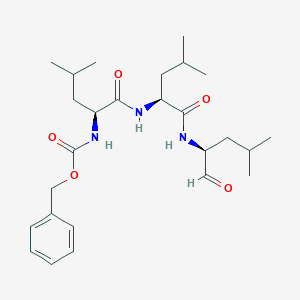
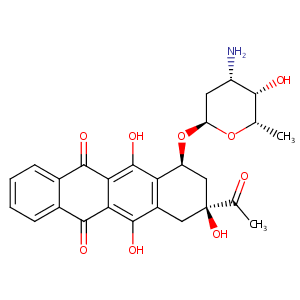
| 1 |
CheMBL Affinity Phenotypic Cellular Interaction Assay ID: CHEMBL1125966
|
| 2 |
Idarubicin FDA Label
|
| 3 |
URL: http://www.guidetopharmacology.org Nucleic Acids Res. 2015 Oct 12. pii: gkv1037. The IUPHAR/BPS Guide to PHARMACOLOGY in 2016: towards curated quantitative interactions between 1300 protein targets and 6000 ligands. (Ligand id: 7083).
|
| 4 |
A p38-p65 transcription complex induced by endothelin-1 mediates signal transduction in cancer cells. Biochim Biophys Acta. 2008 Sep;1783(9):1613-22.
|
| 5 |
BACH1 is a specific repressor of HMOX1 that is inactivated by arsenite. J Biol Chem. 2008 Aug 15;283(33):22363-70.
|
| 6 |
Induction of ubiquitin C (UBC) gene transcription is mediated by HSF1: role of proteotoxic and oxidative stress. FEBS Open Bio. 2018 Jul 24;8(9):1471-1485. doi: 10.1002/2211-5463.12484. eCollection 2018 Sep.
|
| 7 |
The unfolded protein response controls ER stress-induced apoptosis of lung epithelial cells through angiotensin generation. Am J Physiol Lung Cell Mol Physiol. 2016 Nov 1;311(5):L846-L854. doi: 10.1152/ajplung.00449.2015. Epub 2016 Sep 16.
|
| 8 |
A novel UBA and UBX domain protein that binds polyubiquitin and VCP and is a substrate for SAPKs. Biochem J. 2004 Dec 1;384(Pt 2):391-400. doi: 10.1042/BJ20041498.
|
| 9 |
Proteasome inhibitor MG132 sensitizes HPV-positive human cervical cancer cells to rhTRAIL-induced apoptosis. Int J Cancer. 2006 Apr 15;118(8):1892-900. doi: 10.1002/ijc.21580.
|
| 10 |
The proteasome inhibitor bortezomib is a potent inducer of zinc finger AN1-type domain 2a gene expression: role of heat shock factor 1 (HSF1)-heat shock factor 2 (HSF2) heterocomplexes. J Biol Chem. 2014 May 2;289(18):12705-15. doi: 10.1074/jbc.M113.513242. Epub 2014 Mar 11.
|
| 11 |
Ubiquilin1 represses migration and epithelial-to-mesenchymal transition of human non-small cell lung cancer cells. Oncogene. 2015 Mar 26;34(13):1709-17. doi: 10.1038/onc.2014.97. Epub 2014 Apr 21.
|
| 12 |
Increased ABCB1 expression in TP-110-resistant RPMI-8226 cells. Biosci Biotechnol Biochem. 2010;74(9):1913-9.
|
| 13 |
Regulation of human carbonyl reductase 3 (CBR3; SDR21C2) expression by Nrf2 in cultured cancer cells. Biochemistry. 2010 Oct 5;49(39):8499-511.
|
| 14 |
Inhibition of the 26S proteasome blocks progesterone receptor-dependent transcription through failed recruitment of RNA polymerase II. J Steroid Biochem Mol Biol. 2005 Mar;94(4):337-46.
|
| 15 |
Proteasome inhibitors MG-132 and bortezomib induce AKR1C1, AKR1C3, AKR1B1, and AKR1B10 in human colon cancer cell lines SW-480 and HT-29. Chem Biol Interact. 2011 May 30;191(1-3):239-49.
|
| 16 |
Thiostrepton is an inducer of oxidative and proteotoxic stress that impairs viability of human melanoma cells but not primary melanocytes. Biochem Pharmacol. 2012 May 1;83(9):1229-40.
|
| 17 |
Proteasomal interaction as a critical activity modulator of the human constitutive androstane receptor. Biochem J. 2014 Feb 15;458(1):95-107.
|
| 18 |
Histone deacetylase 4 promotes ubiquitin-dependent proteasomal degradation of Sp3 in SH-SY5Y cells treated with di(2-ethylhexyl)phthalate (DEHP), determining neuronal death. Toxicol Appl Pharmacol. 2014 Oct 1;280(1):190-8.
|
| 19 |
Proteasome inhibition creates a chromatin landscape favorable to RNA Pol II processivity. J Biol Chem. 2020 Jan 31;295(5):1271-1287. doi: 10.1074/jbc.RA119.011174. Epub 2019 Dec 5.
|
| 20 |
Long-term incubation with proteasome inhibitors (PIs) induces IB degradation via the lysosomal pathway in an IB kinase (IKK)-dependent and IKK-independent manner. J Biol Chem. 2013 Nov 8;288(45):32777-32786. doi: 10.1074/jbc.M113.480921. Epub 2013 Oct 1.
|
| 21 |
Mitogen-activated protein kinases mediate arsenic-induced down-regulation of survivin in human lung adenocarcinoma cells. Arch Toxicol. 2006 Jun;80(6):310-8. doi: 10.1007/s00204-005-0045-1. Epub 2005 Nov 19.
|
| 22 |
The proteasome inhibitor PS-341 (bortezomib) up-regulates DR5 expression leading to induction of apoptosis and enhancement of TRAIL-induced apoptosis despite up-regulation of c-FLIP and survivin expression in human NSCLC cells. Cancer Res. 2007 May 15;67(10):4981-8. doi: 10.1158/0008-5472.CAN-06-4274.
|
| 23 |
Novel mitochondrial substrates of omi indicate a new regulatory role in neurodegenerative disorders. PLoS One. 2009 Sep 18;4(9):e7100. doi: 10.1371/journal.pone.0007100.
|
| 24 |
Differential expression of PARK2 splice isoforms in an in vitro model of dopaminergic-like neurons exposed to toxic insults mimicking Parkinson's disease. J Cell Biochem. 2018 Jan;119(1):1062-1073. doi: 10.1002/jcb.26274. Epub 2017 Aug 23.
|
| 25 |
Cholesterol increases protein levels of the E3 ligase MARCH6 and thereby stimulates protein degradation. J Biol Chem. 2019 Feb 15;294(7):2436-2448. doi: 10.1074/jbc.RA118.005069. Epub 2018 Dec 13.
|
| 26 |
Proteomic signatures in thapsigargin-treated hepatoma cells. Chem Res Toxicol. 2011 Aug 15;24(8):1215-22. doi: 10.1021/tx200109y. Epub 2011 Jul 1.
|
| 27 |
Endoplasmic reticulum stress-mediated autophagy/apoptosis induced by capsaicin (8-methyl-N-vanillyl-6-nonenamide) and dihydrocapsaicin is regulated by the extent of c-Jun NH2-terminal kinase/extracellular signal-regulated kinase activation in WI38 lung epithelial fibroblast cells. J Pharmacol Exp Ther. 2009 Apr;329(1):112-22. doi: 10.1124/jpet.108.144113. Epub 2009 Jan 12.
|
| 28 |
Protective effect against Parkinson's disease-related insults through the activation of XBP1. Brain Res. 2009 Feb 27;1257:16-24. doi: 10.1016/j.brainres.2008.11.104. Epub 2008 Dec 16.
|
| 29 |
Rictor Undergoes Glycogen Synthase Kinase 3 (GSK3)-dependent, FBXW7-mediated Ubiquitination and Proteasomal Degradation. J Biol Chem. 2015 May 29;290(22):14120-9. doi: 10.1074/jbc.M114.633057. Epub 2015 Apr 20.
|
| 30 |
Tetracaine hydrochloride induces cell cycle arrest in melanoma by downregulating hnRNPA1. Toxicol Appl Pharmacol. 2022 Jan 1;434:115810. doi: 10.1016/j.taap.2021.115810. Epub 2021 Nov 23.
|
| 31 |
15-Deoxy-delta 12,14-prostaglandin J2 induces apoptosis in human malignant B cells: an effect associated with inhibition of NF-kappa B activity and down-regulation of antiapoptotic proteins. Blood. 2005 Feb 15;105(4):1750-8. doi: 10.1182/blood-2004-04-1360. Epub 2004 Oct 21.
|
| 32 |
Proteasome inhibitors stimulate activator protein-1 pathway via reactive oxygen species production. FEBS Lett. 2002 Aug 28;526(1-3):101-5. doi: 10.1016/s0014-5793(02)03151-4.
|
| 33 |
Secretory defect and cytotoxicity: the potential disease mechanisms for the retinitis pigmentosa (RP)-associated interphotoreceptor retinoid-binding protein (IRBP). J Biol Chem. 2013 Apr 19;288(16):11395-406. doi: 10.1074/jbc.M112.418251. Epub 2013 Mar 13.
|
| 34 |
Hypoxic upregulation of glucose transporters in BeWo choriocarcinoma cells is mediated by hypoxia-inducible factor-1. Am J Physiol Cell Physiol. 2007 Jul;293(1):C477-85. doi: 10.1152/ajpcell.00075.2007. Epub 2007 Apr 18.
|
| 35 |
Sulindac metabolites induce proteosomal and lysosomal degradation of the epidermal growth factor receptor. Cancer Prev Res (Phila). 2010 Apr;3(4):560-72. doi: 10.1158/1940-6207.CAPR-09-0159. Epub 2010 Mar 23.
|
| 36 |
Induction and activation of the aryl hydrocarbon receptor by IL-4 in B cells. Int Immunol. 2005 Jun;17(6):797-805. doi: 10.1093/intimm/dxh260. Epub 2005 May 17.
|
| 37 |
Absence of Bax switched MG132-induced apoptosis to non-apoptotic cell death that could be suppressed by transcriptional or translational inhibition. Apoptosis. 2007 Dec;12(12):2233-44. doi: 10.1007/s10495-007-0142-0.
|
| 38 |
The role of PSMB5 in sodium arsenite-induced oxidative stress in L-02 cells. Cell Stress Chaperones. 2020 May;25(3):533-540. doi: 10.1007/s12192-020-01104-1. Epub 2020 Apr 16.
|
| 39 |
Proliferative suppression by CDK4/6 inhibition: complex function of the retinoblastoma pathway in liver tissue and hepatoma cells. Gastroenterology. 2010 May;138(5):1920-30. doi: 10.1053/j.gastro.2010.01.007. Epub 2010 Jan 25.
|
| 40 |
Solubility shift and SUMOylaltion of promyelocytic leukemia (PML) protein in response to arsenic(III) and fate of the SUMOylated PML. Toxicol Appl Pharmacol. 2015 Sep 15;287(3):191-201. doi: 10.1016/j.taap.2015.05.018. Epub 2015 Jun 3.
|
| 41 |
Estrogen and ER enhanced -catenin degradation and suppressed its downstream target genes to block the metastatic function of HA22T hepatocellular carcinoma cells via modulating GSK-3 and -TrCP expression. Environ Toxicol. 2017 Feb;32(2):519-529. doi: 10.1002/tox.22256. Epub 2016 Mar 18.
|
| 42 |
Neuronal Bmi-1 is critical for melatonin induced ubiquitination and proteasomal degradation of -synuclein in experimental Parkinson's disease models. Neuropharmacology. 2021 Aug 15;194:108372. doi: 10.1016/j.neuropharm.2020.108372. Epub 2020 Nov 4.
|
| 43 |
Transforming growth factor-beta, estrogen, and progesterone converge on the regulation of p27Kip1 in the normal and malignant endometrium. Cancer Res. 2007 Feb 1;67(3):1007-18. doi: 10.1158/0008-5472.CAN-06-0235.
|
| 44 |
Cobalt and nickel stabilize stem cell transcription factor OCT4 through modulating its sumoylation and ubiquitination. PLoS One. 2014 Jan 31;9(1):e86620. doi: 10.1371/journal.pone.0086620. eCollection 2014.
|
| 45 |
Protein kinase Cdelta stimulates proteasome-dependent degradation of C/EBPalpha during apoptosis induction of leukemic cells. PLoS One. 2009 Aug 7;4(8):e6552. doi: 10.1371/journal.pone.0006552.
|
| 46 |
Cadmium induces triglyceride levels via microsomal triglyceride transfer protein (MTTP) accumulation caused by lysosomal deacidification regulated by endoplasmic reticulum (ER) Ca(2+) homeostasis. Chem Biol Interact. 2021 Oct 1;348:109649. doi: 10.1016/j.cbi.2021.109649. Epub 2021 Sep 10.
|
| 47 |
Anti-Tumor Effects of Sodium Meta-Arsenite in Glioblastoma Cells with Higher Akt Activities. Int J Mol Sci. 2020 Nov 26;21(23):8982. doi: 10.3390/ijms21238982.
|
| 48 |
Proteasome inhibitors induce heat shock response and increase IL-6 expression in human intestinal epithelial cells. Am J Physiol Regul Integr Comp Physiol. 2002 Apr;282(4):R1016-26. doi: 10.1152/ajpregu.00492.2001.
|
| 49 |
Human Sex Determination at the Edge of Ambiguity: INHERITED XY SEX REVERSAL DUE TO ENHANCED UBIQUITINATION AND PROTEASOMAL DEGRADATION OF A MASTER TRANSCRIPTION FACTOR. J Biol Chem. 2016 Oct 14;291(42):22173-22195. doi: 10.1074/jbc.M116.741959. Epub 2016 Aug 30.
|
| 50 |
NF-kB inhibition as a strategy to enhance etoposide-induced apoptosis in K562 cell line. Am J Hematol. 2006 Dec;81(12):938-45. doi: 10.1002/ajh.20732.
|
| 51 |
Synergism of arsenic trioxide and MG132 in Raji cells attained by targeting BNIP3, autophagy, and mitochondria with low doses of valproic acid and vincristine. Eur J Cancer. 2014 Dec;50(18):3243-61. doi: 10.1016/j.ejca.2014.09.012. Epub 2014 Oct 13.
|
| 52 |
Metformin leads to accumulation of reactive oxygen species by inhibiting the NFE2L1 expression in human hepatocellular carcinoma cells. Toxicol Appl Pharmacol. 2021 Jun 1;420:115523. doi: 10.1016/j.taap.2021.115523. Epub 2021 Apr 8.
|
| 53 |
The Role of Lipin-1 in the Regulation of Fibrogenesis and TGF- Signaling in Hepatic Stellate Cells. Toxicol Sci. 2016 Sep;153(1):28-38. doi: 10.1093/toxsci/kfw109. Epub 2016 Jun 26.
|
| 54 |
Tosylcyclonovobiocic acids promote cleavage of the hsp90-associated cochaperone p23. Biochem Biophys Res Commun. 2009 Feb 6;379(2):514-8. doi: 10.1016/j.bbrc.2008.12.102. Epub 2008 Dec 30.
|
| 55 |
Mechanisms of MCL-1 Protein Stability Induced by MCL-1 Antagonists in B-Cell Malignancies. Clin Cancer Res. 2023 Jan 17;29(2):446-457. doi: 10.1158/1078-0432.CCR-22-2088.
|
| 56 |
Arsenite stress down-regulates phosphorylation and 14-3-3 binding of leucine-rich repeat kinase 2 (LRRK2), promoting self-association and cellular redistribution. J Biol Chem. 2014 Aug 1;289(31):21386-400. doi: 10.1074/jbc.M113.528463. Epub 2014 Jun 18.
|
| 57 |
Pir2/Rnf144b is a potential endometrial cancer biomarker that promotes cell proliferation. Cell Death Dis. 2018 May 1;9(5):504. doi: 10.1038/s41419-018-0521-1.
|
| 58 |
FUNDC1 regulates receptor-mediated mitophagy independently of the PINK1/Parkin-dependent pathway in rotenone-treated SH-SY5Y cells. Food Chem Toxicol. 2020 Mar;137:111163. doi: 10.1016/j.fct.2020.111163. Epub 2020 Jan 27.
|
| 59 |
The Antitumor Peptide CIGB-552 Increases COMMD1 and Inhibits Growth of Human Lung Cancer Cells. J Amino Acids. 2013;2013:251398. doi: 10.1155/2013/251398. Epub 2013 Jan 16.
|
| 60 |
Disruption of type 2 iodothyronine deiodinase activity in cultured human glial cells by polybrominated diphenyl ethers. Chem Res Toxicol. 2015 Jun 15;28(6):1265-74. doi: 10.1021/acs.chemrestox.5b00072. Epub 2015 Jun 2.
|
| 61 |
Arsenite Binds to the Zinc Finger Motif of TIP60 Histone Acetyltransferase and Induces Its Degradation via the 26S Proteasome. Chem Res Toxicol. 2017 Sep 18;30(9):1685-1693. doi: 10.1021/acs.chemrestox.7b00146. Epub 2017 Sep 7.
|
| 62 |
Vulnerability of HIF1 and HIF2 to damage by proteotoxic stressors. Toxicol Appl Pharmacol. 2022 Jun 15;445:116041. doi: 10.1016/j.taap.2022.116041. Epub 2022 Apr 30.
|
| 63 |
Inhibition of Protein Ubiquitination by Paraquat and 1-Methyl-4-Phenylpyridinium Impairs Ubiquitin-Dependent Protein Degradation Pathways. Mol Neurobiol. 2016 Oct;53(8):5229-51. doi: 10.1007/s12035-015-9414-9. Epub 2015 Sep 26.
|
| 64 |
Troglitazone induces cytotoxicity in part by promoting the degradation of peroxisome proliferator-activated receptor co-activator-1 protein. Br J Pharmacol. 2010 Oct;161(4):771-81. doi: 10.1111/j.1476-5381.2010.00900.x.
|
| 65 |
The E3 ubiquitin ligase ARIH1 protects against genotoxic stress by initiating a 4EHP-mediated mRNA translation arrest. Mol Cell Biol. 2015 Apr;35(7):1254-68. doi: 10.1128/MCB.01152-14. Epub 2015 Jan 26.
|
| 66 |
Amino-terminal region of human organic anion transporting polypeptide 1B1 dictates transporter stability and substrate interaction. Toxicol Appl Pharmacol. 2019 Sep 1;378:114642. doi: 10.1016/j.taap.2019.114642. Epub 2019 Jun 27.
|
| 67 |
Mechanisms of DJ-1 neuroprotection in a cellular model of Parkinson's disease. J Neurochem. 2008 Jun 1;105(6):2435-53. doi: 10.1111/j.1471-4159.2008.05333.x.
|
| 68 |
Characterization of cellular protective effects of ATP13A2/PARK9 expression and alterations resulting from pathogenic mutants. J Neurosci Res. 2012 Dec;90(12):2306-16. doi: 10.1002/jnr.23112. Epub 2012 Jul 30.
|
| 69 |
Quantitative high-throughput profiling of environmental chemicals and drugs that modulate farnesoid X receptor. Sci Rep. 2014 Sep 26;4:6437. doi: 10.1038/srep06437.
|
| 70 |
Drugs@FDA. U.S. Food and Drug Administration. U.S. Department of Health & Human Services.
|
| 71 |
Human intestinal transporter database: QSAR modeling and virtual profiling of drug uptake, efflux and interactions. Pharm Res. 2013 Apr;30(4):996-1007.
|
| 72 |
Amonafide L-malate is not a substrate for multidrug resistance proteins in secondary acute myeloid leukemia. Leukemia. 2008 Nov;22(11):2110-5.
|
| 73 |
In vitro evaluation of cytochrome P450-mediated drug interactions between cytarabine, idarubicin, itraconazole and caspofungin. Hematology. 2004 Jun;9(3):217-21.
|
| 74 |
The use of biochemical markers in cardiotoxicity monitoring in patients treated for leukemia. Neoplasma. 2005;52(5):430-4.
|
|
|
|
|
|
|