General Information of Drug Combination (ID: DCQW9KD)

Drug Combination Name
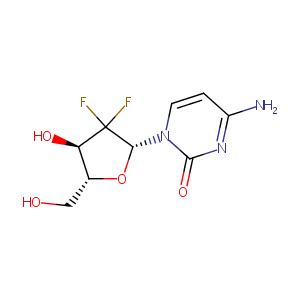
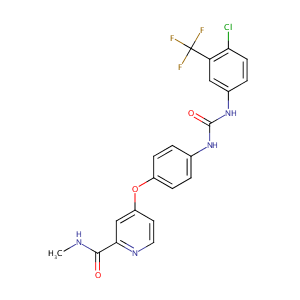
Gemcitabine Sorafenib
Indication
Disease Entry Status REF
Mesothelioma Investigative [1]
Component Drugs Gemcitabine   DMSE3I7 Sorafenib   DMS8IFC
Small molecular drug Small molecular drug
2D MOL 2D MOL
3D MOL 3D MOL
High-throughput Screening Result Testing Cell Line: MSTO
Zero Interaction Potency (ZIP) Score: 0.59
Bliss Independence Score: 0.06
Loewe Additivity Score: 0.69
LHighest Single Agent (HSA) Score: 2.45

Molecular Interaction Atlas of This Drug Combination

Molecular Interaction Atlas (MIA)
Indication(s) of Gemcitabine
Disease Entry ICD 11 Status REF
Anterior urethra cancer N.A. Approved [2]
Biliary tract cancer 2C17 Approved [2]
Carcinoma 2A00-2F9Z Approved [2]
Cervical cancer 2C77.0 Approved [2]
Cholangiocarcinoma 2C12.10 Approved [2]
Fallopian tube neoplasm N.A. Approved [2]
Gallbladder carcinoma N.A. Approved [2]
Leiomyosarcoma 2B58 Approved [2]
Leukemia N.A. Approved [2]
Lung cancer 2C25.0 Approved [2]
MALT lymphoma N.A. Approved [2]
Nodal marginal zone lymphoma 2A85.0 Approved [2]
Non-small-cell lung cancer 2C25 Approved [3]
Ovarian disorder N.A. Approved [2]
Ovarian neoplasm N.A. Approved [2]
Pancreatic adenocarcinoma N.A. Approved [2]
Pancreatic ductal carcinoma 2C10.0 Approved [2]
Pancreatic tumour 2C10 Approved [2]
Posterior urethra cancer N.A. Approved [2]
Recurrent adult burkitt lymphoma 2A85.6 Approved [2]
Solid tumour/cancer 2A00-2F9Z Approved [4]
Splenic marginal zone lymphoma N.A. Approved [2]
Urethral cancer 2C93 Approved [2]
Urinary bladder neoplasm N.A. Approved [2]
Middle East Respiratory Syndrome (MERS) 1D64 Preclinical [5]
Severe acute respiratory syndrome (SARS) 1D65 Preclinical [5]
Colon cancer 2B90.Z Investigative [2]
Gemcitabine Interacts with 1 DTT Molecule(s)
DTT Name DTT ID UniProt ID Mode of Action REF
Ribonucleoside-diphosphate reductase M2 (RRM2) TTBWDI0 RIR2_HUMAN Modulator [14]
------------------------------------------------------------------------------------
Gemcitabine Interacts with 3 DTP Molecule(s)
DTP Name DTP ID UniProt ID Mode of Action REF
P-glycoprotein 1 (ABCB1) DTUGYRD MDR1_HUMAN Substrate [15]
Multidrug resistance-associated protein 5 (ABCC5) DTYVM24 MRP5_HUMAN Substrate [16]
Concentrative nucleoside transporter 1 (SLC28A1) DT0EQPW S28A1_HUMAN Substrate [17]
------------------------------------------------------------------------------------
Gemcitabine Interacts with 5 DME Molecule(s)
DME Name DME ID UniProt ID Mode of Action REF
Cytidine aminohydrolase (CDA) DEKEDRC CDD_HUMAN Metabolism [18]
Uridine/cytidine monophosphate kinase (UMPK) DEMPH4I KCY_HUMAN Metabolism [19]
Cytidine deaminase (cdd) DETX3A5 CDD_ECOLI Metabolism [20]
Cytidine deaminase (cdd) DEFVABT CDD_KLEP7 Metabolism [20]
Cytidine deaminase (cdd) DEYILK4 E0TLJ6_MYCHH Metabolism [21]
------------------------------------------------------------------------------------
Gemcitabine Interacts with 153 DOT Molecule(s)
DOT Name DOT ID UniProt ID Mode of Action REF
ATP-dependent translocase ABCB1 (ABCB1) OTEJROBO MDR1_HUMAN Decreases Expression [22]
Ribonucleoside-diphosphate reductase large subunit (RRM1) OTXGQOR9 RIR1_HUMAN Affects Response To Substance [13]
Tumor necrosis factor receptor superfamily member 10B (TNFRSF10B) OTA1CPBV TR10B_HUMAN Increases Expression [23]
NF-kappa-B inhibitor epsilon (NFKBIE) OTLAYEL9 IKBE_HUMAN Affects Expression [8]
Tumor necrosis factor receptor superfamily member 11B (TNFRSF11B) OTQ4W7MT TR11B_HUMAN Increases Expression [8]
Stearoyl-CoA desaturase (SCD) OTB1073G SCD_HUMAN Increases Expression [8]
1-acyl-sn-glycerol-3-phosphate acyltransferase beta (AGPAT2) OT5I4Y9K PLCB_HUMAN Decreases Expression [8]
Insulin-induced gene 1 protein (INSIG1) OTZF5X1D INSI1_HUMAN Increases Expression [8]
E3 ubiquitin-protein ligase Praja-2 (PJA2) OT45TMC4 PJA2_HUMAN Increases Expression [8]
Interleukin-1 receptor-associated kinase-like 2 (IRAK2) OT6Y1QZN IRAK2_HUMAN Increases Expression [8]
Bcl-2-like protein 11 (BCL2L11) OTNQQWFJ B2L11_HUMAN Increases Expression [8]
BCL2/adenovirus E1B 19 kDa protein-interacting protein 3-like (BNIP3L) OTJKOMXE BNI3L_HUMAN Increases Expression [8]
Heterogeneous nuclear ribonucleoprotein Q (SYNCRIP) OTRNDZXB HNRPQ_HUMAN Decreases Expression [8]
Melanoma-associated antigen C1 (MAGEC1) OTHMFHH8 MAGC1_HUMAN Increases Expression [8]
Liprin-alpha-4 (PPFIA4) OTWXG0DO LIPA4_HUMAN Increases Expression [8]
Transcription factor Maf (MAF) OT1GR3IZ MAF_HUMAN Increases Expression [8]
Protein phosphatase 1 regulatory subunit 15A (PPP1R15A) OTYG179K PR15A_HUMAN Increases Expression [8]
Krueppel-like factor 8 (KLF8) OTUC5CDB KLF8_HUMAN Increases Expression [8]
Fibrinogen gamma chain (FGG) OT5BJSEX FIBG_HUMAN Affects Expression [8]
Keratin, type II cytoskeletal 8 (KRT8) OTTM4X11 K2C8_HUMAN Decreases Expression [8]
Growth-regulated alpha protein (CXCL1) OT3WCTZV GROA_HUMAN Increases Expression [8]
Interferon-induced protein with tetratricopeptide repeats 1 (IFIT1) OTXOQDSG IFIT1_HUMAN Increases Expression [8]
Transcriptional activator Myb (MYB) OTJH64IV MYB_HUMAN Increases Expression [8]
Solute carrier family 2, facilitated glucose transporter member 3 (SLC2A3) OT2HZK5M GTR3_HUMAN Increases Expression [8]
Creatine kinase B-type (CKB) OTUCKOTT KCRB_HUMAN Decreases Expression [8]
Cadherin-1 (CDH1) OTFJMXPM CADH1_HUMAN Increases Expression [8]
Homeobox protein Hox-B2 (HOXB2) OTTD6HMV HXB2_HUMAN Increases Expression [8]
Methylated-DNA--protein-cysteine methyltransferase (MGMT) OT40A9WH MGMT_HUMAN Decreases Expression [8]
C-X-C motif chemokine 3 (CXCL3) OTSL94KH CXCL3_HUMAN Increases Expression [8]
Tumor necrosis factor alpha-induced protein 3 (TNFAIP3) OTVLI4DD TNAP3_HUMAN Increases Expression [8]
Diamine acetyltransferase 1 (SAT1) OT52AU22 SAT1_HUMAN Increases Expression [8]
Tumor necrosis factor receptor superfamily member 5 (CD40) OT5YU2XB TNR5_HUMAN Decreases Expression [8]
Protein EVI2B (EVI2B) OT98X1OE EVI2B_HUMAN Decreases Expression [8]
Heat shock 70 kDa protein 1-like (HSPA1L) OTC2V1K6 HS71L_HUMAN Decreases Expression [8]
Cyclin-dependent kinase inhibitor 1 (CDKN1A) OTQWHCZE CDN1A_HUMAN Increases Expression [8]
Regulator of G-protein signaling 2 (RGS2) OT0FSRW7 RGS2_HUMAN Increases Expression [8]
Ras GTPase-activating-like protein IQGAP1 (IQGAP1) OTZRWTGA IQGA1_HUMAN Increases Expression [8]
Retinaldehyde dehydrogenase 3 (ALDH1A3) OT1C9NKQ AL1A3_HUMAN Increases Expression [8]
Max-interacting protein 1 (MXI1) OTUQ9E0D MXI1_HUMAN Increases Expression [8]
ETS translocation variant 1 (ETV1) OT6PMJIK ETV1_HUMAN Increases Expression [8]
Transcription initiation factor IIA subunit 1 (GTF2A1) OTWW4PN0 TF2AA_HUMAN Affects Expression [8]
Growth arrest-specific protein 1 (GAS1) OTKJXG52 GAS1_HUMAN Decreases Expression [8]
Phosphatidylinositol 3,4,5-trisphosphate 3-phosphatase and dual-specificity protein phosphatase PTEN (PTEN) OTOWDUNT PTEN_HUMAN Affects Expression [8]
Ras-related protein Rab-8A (RAB8A) OTPB54Y3 RAB8A_HUMAN Decreases Expression [8]
Transforming growth factor beta-2 proprotein (TGFB2) OTC0TXEP TGFB2_HUMAN Increases Expression [8]
Large ribosomal subunit protein eL37 (RPL37) OTB6SDZ1 RL37_HUMAN Increases Expression [8]
Histone H4 (H4C1) OTB71W46 H4_HUMAN Decreases Expression [8]
C-C motif chemokine 20 (CCL20) OTUCJY4N CCL20_HUMAN Increases Expression [8]
Nuclear factor NF-kappa-B p100 subunit (NFKB2) OTS231V7 NFKB2_HUMAN Affects Expression [8]
Methylmalonate-semialdehyde/malonate-semialdehyde dehydrogenase , mitochondrial (ALDH6A1) OT8LCZCT MMSA_HUMAN Increases Expression [8]
Pro-neuregulin-1, membrane-bound isoform (NRG1) OTZO6F1X NRG1_HUMAN Increases Expression [8]
Tyrosine-protein phosphatase non-receptor type 11 (PTPN11) OTFH9M73 PTN11_HUMAN Affects Expression [8]
1,25-dihydroxyvitamin D(3) 24-hydroxylase, mitochondrial (CYP24A1) OTG2T749 CP24A_HUMAN Decreases Expression [8]
ATP-dependent RNA helicase A (DHX9) OT5AAOQI DHX9_HUMAN Decreases Expression [8]
Nuclear cap-binding protein subunit 1 (NCBP1) OTYBR927 NCBP1_HUMAN Increases Expression [8]
TP53-binding protein 1 (TP53BP1) OTL8879S TP53B_HUMAN Increases Expression [8]
Ankyrin-3 (ANK3) OTJ3IRBP ANK3_HUMAN Increases Expression [8]
TNF receptor-associated factor 1 (TRAF1) OTTLM5RU TRAF1_HUMAN Affects Expression [8]
PDZK1-interacting protein 1 (PDZK1IP1) OTWA6M5K PDZ1I_HUMAN Increases Expression [8]
Treacle protein (TCOF1) OT4BOYTM TCOF_HUMAN Decreases Expression [8]
Baculoviral IAP repeat-containing protein 3 (BIRC3) OT3E95KB BIRC3_HUMAN Affects Expression [8]
Baculoviral IAP repeat-containing protein 2 (BIRC2) OTFXFREP BIRC2_HUMAN Increases Expression [8]
Cytoplasmic dynein 1 heavy chain 1 (DYNC1H1) OTD1KRKO DYHC1_HUMAN Decreases Expression [8]
FXYD domain-containing ion transport regulator 3 (FXYD3) OT9PPRHE FXYD3_HUMAN Increases Expression [8]
Ankyrin repeat domain-containing protein 1 (ANKRD1) OTHJ7JV9 ANKR1_HUMAN Increases Expression [8]
Disks large homolog 2 (DLG2) OTQ3BD8U DLG2_HUMAN Increases Expression [8]
Cysteine and glycine-rich protein 2 (CSRP2) OT4SW0HI CSRP2_HUMAN Increases Expression [8]
Cyclin-G2 (CCNG2) OTII38K2 CCNG2_HUMAN Increases Expression [8]
Golgi-associated kinase 1B (GASK1B) OT2HPHEI GAK1B_HUMAN Decreases Expression [8]
SUZ domain-containing protein 1 (SZRD1) OTJMEJWT SZRD1_HUMAN Decreases Expression [8]
Leucine-rich repeat-containing protein 28 (LRRC28) OTFTT6VN LRC28_HUMAN Increases Expression [8]
Mitochondrial basic amino acids transporter (SLC25A29) OT09PIFE S2529_HUMAN Increases Expression [8]
Equilibrative nucleobase transporter 1 (SLC43A3) OTR60ZLA S43A3_HUMAN Decreases Expression [8]
E3 ubiquitin-protein ligase RNF149 (RNF149) OT6SBKQV RN149_HUMAN Increases Expression [8]
F-box only protein 25 (FBXO25) OTDFA7F4 FBX25_HUMAN Increases Expression [8]
Solute carrier family 2, facilitated glucose transporter member 14 (SLC2A14) OTBFIOVY GTR14_HUMAN Increases Expression [8]
Membrane progestin receptor beta (PAQR8) OTGZ8W9F PAQR8_HUMAN Increases Expression [8]
Nuclear receptor subfamily 4 group A member 3 (NR4A3) OTPBE9R1 NR4A3_HUMAN Increases Expression [8]
La-related protein 4B (LARP4B) OT2HI0QE LAR4B_HUMAN Increases Expression [8]
Collagen triple helix repeat-containing protein 1 (CTHRC1) OTV88X2G CTHR1_HUMAN Increases Expression [8]
BTB/POZ domain-containing protein KCTD12 (KCTD12) OTPYKT4Z KCD12_HUMAN Decreases Expression [8]
Membrane-associated guanylate kinase, WW and PDZ domain-containing protein 1 (MAGI1) OTMV4ASV MAGI1_HUMAN Increases Expression [8]
Sialidase-1 (NEU1) OTH9BY8Y NEUR1_HUMAN Increases Expression [8]
Galactosylceramide sulfotransferase (GAL3ST1) OTSFFZRD G3ST1_HUMAN Decreases Expression [8]
Junctional adhesion molecule C (JAM3) OTX0F9QL JAM3_HUMAN Decreases Expression [8]
SLIT and NTRK-like protein 2 (SLITRK2) OTPVI22J SLIK2_HUMAN Increases Expression [8]
Anaphase-promoting complex subunit 1 (ANAPC1) OT2YY35L APC1_HUMAN Increases Expression [8]
Anthrax toxin receptor 1 (ANTXR1) OT5W1GPC ANTR1_HUMAN Affects Expression [8]
Ras-related GTP-binding protein D (RRAGD) OTXLVWAH RRAGD_HUMAN Increases Expression [8]
DNA damage-inducible transcript 4 protein (DDIT4) OTHY8SY4 DDIT4_HUMAN Affects Expression [8]
Intersectin-2 (ITSN2) OT8S0OO8 ITSN2_HUMAN Increases Expression [8]
Probable ribosome biogenesis protein RLP24 (RSL24D1) OT6KI56F RLP24_HUMAN Increases Expression [8]
Transcription elongation factor A protein-like 9 (TCEAL9) OT4UHDB5 TCAL9_HUMAN Increases Expression [8]
Chloride intracellular channel protein 4 (CLIC4) OT6KTPKD CLIC4_HUMAN Increases Expression [8]
Alpha-2-macroglobulin (A2M) OTFTX90K A2MG_HUMAN Increases Expression [9]
Stromelysin-1 (MMP3) OTGBI74Z MMP3_HUMAN Decreases Expression [9]
Interleukin-8 (CXCL8) OTS7T5VH IL8_HUMAN Decreases Expression [9]
C-C motif chemokine 3 (CCL3) OTW2H3ND CCL3_HUMAN Increases Expression [9]
C-C motif chemokine 2 (CCL2) OTAD2HEL CCL2_HUMAN Decreases Expression [9]
Kit ligand (KITLG) OTB9AVQ4 SCF_HUMAN Decreases Expression [9]
CD40 ligand (CD40LG) OT75Z6A6 CD40L_HUMAN Decreases Expression [9]
Pappalysin-1 (PAPPA) OTTTG9PG PAPP1_HUMAN Decreases Expression [9]
Pro-interleukin-16 (IL16) OTZ2MO6B IL16_HUMAN Increases Expression [9]
Neurogenic locus notch homolog protein 1 (NOTCH1) OTI1WADQ NOTC1_HUMAN Increases Expression [24]
Baculoviral IAP repeat-containing protein 5 (BIRC5) OTILXZYL BIRC5_HUMAN Decreases Expression [25]
Nuclear protein 1 (NUPR1) OT4FU8C0 NUPR1_HUMAN Decreases Expression [26]
Collagen alpha-1(I) chain (COL1A1) OTI31178 CO1A1_HUMAN Decreases Expression [27]
Poly polymerase 1 (PARP1) OT310QSG PARP1_HUMAN Increases Cleavage [28]
Zinc finger protein GLI2 (GLI2) OTIRV97L GLI2_HUMAN Affects Expression [29]
CD44 antigen (CD44) OT9TTJ41 CD44_HUMAN Affects Expression [22]
Histone H2AX (H2AX) OT18UX57 H2AX_HUMAN Increases Expression [30]
Tumor necrosis factor receptor superfamily member 6 (FAS) OTP9XG86 TNR6_HUMAN Increases Expression [31]
Mitogen-activated protein kinase 3 (MAPK3) OTCYKGKO MK03_HUMAN Increases Phosphorylation [32]
Aryl hydrocarbon receptor nuclear translocator (ARNT) OTMSIEZY ARNT_HUMAN Increases Expression [29]
Mitogen-activated protein kinase 1 (MAPK1) OTH85PI5 MK01_HUMAN Increases Phosphorylation [32]
14-3-3 protein sigma (SFN) OTLJCZ1U 1433S_HUMAN Increases Methylation [33]
Catenin beta-1 (CTNNB1) OTZ932A3 CTNB1_HUMAN Increases Expression [34]
Breast cancer type 1 susceptibility protein (BRCA1) OT5BN6VH BRCA1_HUMAN Increases Expression [29]
Dual specificity mitogen-activated protein kinase kinase 3 (MAP2K3) OTI2OREX MP2K3_HUMAN Increases Phosphorylation [35]
Dual specificity mitogen-activated protein kinase kinase 6 (MAP2K6) OTK13JKC MP2K6_HUMAN Increases Phosphorylation [35]
Serine/threonine-protein kinase PLK1 (PLK1) OTRZX45T PLK1_HUMAN Decreases Expression [29]
BH3-interacting domain death agonist (BID) OTOSHSHU BID_HUMAN Increases Cleavage [36]
POU domain, class 5, transcription factor 1 (POU5F1) OTDHHN7O PO5F1_HUMAN Decreases Expression [22]
Transcription factor p65 (RELA) OTUJP9CN TF65_HUMAN Increases Expression [37]
Regenerating islet-derived protein 3-alpha (REG3A) OT0BVQRB REG3A_HUMAN Decreases Expression [38]
Bcl-2-like protein 1 (BCL2L1) OTRC5K9O B2CL1_HUMAN Decreases Expression [32]
Protein patched homolog 1 (PTCH1) OTMG07H5 PTC1_HUMAN Affects Expression [29]
Sonic hedgehog protein (SHH) OTOG2BXF SHH_HUMAN Decreases Expression [29]
Tumor protein p53-inducible nuclear protein 1 (TP53INP1) OT2363Z9 T53I1_HUMAN Increases Expression [38]
Protein smoothened (SMO) OTXXE208 SMO_HUMAN Increases Expression [34]
Homeobox protein NANOG (NANOG) OTUEY1FM NANOG_HUMAN Decreases Expression [34]
Axin-2 (AXIN2) OTRMGQNU AXIN2_HUMAN Affects Expression [29]
3',5'-cyclic-AMP phosphodiesterase 4D (PDE4D) OT1RWFV0 PDE4D_HUMAN Increases ADR [39]
Splicing factor 45 (RBM17) OT9ROJCL SPF45_HUMAN Decreases Response To Substance [40]
Oxysterol-binding protein 2 (OSBP2) OTDGLB4J OSBP2_HUMAN Increases ADR [39]
Proto-oncogene tyrosine-protein kinase Src (SRC) OTETYX40 SRC_HUMAN Decreases Response To Substance [41]
Equilibrative nucleoside transporter 3 (SLC29A3) OTGLX8XU S29A3_HUMAN Affects Transport [42]
Probable ATP-dependent RNA helicase DDX53 (DDX53) OTHK3EGZ DDX53_HUMAN Affects Response To Substance [43]
Equilibrative nucleoside transporter 1 (SLC29A1) OTLOOZZS S29A1_HUMAN Increases Response To Substance [44]
Alpha-protein kinase 3 (ALPK3) OTLUYSMO ALPK3_HUMAN Increases ADR [39]
Transcription factor AP-2-alpha (TFAP2A) OTMYT3NK AP2A_HUMAN Increases Response To Substance [45]
Death-associated protein kinase 1 (DAPK1) OTNCNUCO DAPK1_HUMAN Increases ADR [46]
Cytochrome c oxidase subunit 3 (COX3) OTNNGBYJ COX3_HUMAN Decreases Response To Substance [47]
Cyclin-dependent kinase inhibitor 1B (CDKN1B) OTNY5LLZ CDN1B_HUMAN Decreases Response To Substance [48]
Receptor tyrosine-protein kinase erbB-2 (ERBB2) OTOAUNCK ERBB2_HUMAN Increases ADR [49]
Myc proto-oncogene protein (MYC) OTPV5LUK MYC_HUMAN Affects Response To Substance [50]
Serine/threonine-protein kinase SMG1 (SMG1) OTTS3SXE SMG1_HUMAN Decreases Response To Substance [51]
ATP-dependent DNA helicase PIF1 (PIF1) OTUHKKVP PIF1_HUMAN Decreases Response To Substance [30]
Transforming growth factor beta-1 proprotein (TGFB1) OTV5XHVH TGFB1_HUMAN Decreases Response To Substance [52]
Ribonucleoside-diphosphate reductase large subunit (RRM1) OTXGQOR9 RIR1_HUMAN Increases ADR [53]
Olfactory receptor 4D6 (OR4D6) OTXJKUT1 OR4D6_HUMAN Affects Response To Substance [43]
PDZ domain-containing protein GIPC1 (GIPC1) OTXLVCPJ GIPC1_HUMAN Affects Response To Substance [54]
Poly polymerase 2 (PARP2) OTYL81ZI PARP2_HUMAN Decreases Response To Substance [55]
------------------------------------------------------------------------------------
⏷ Show the Full List of 153 DOT(s)
Indication(s) of Sorafenib
Disease Entry ICD 11 Status REF
Adenocarcinoma 2D40 Approved [6]
Carcinoma 2A00-2F9Z Approved [6]
Clear cell renal carcinoma N.A. Approved [6]
Lung cancer 2C25.0 Approved [6]
Medullary thyroid gland carcinoma N.A. Approved [6]
Non-small-cell lung cancer 2C25.Y Approved [6]
Renal cell carcinoma 2C90 Approved [7]
Thyroid cancer 2D10 Approved [6]
Hepatocellular carcinoma 2C12.02 Phase 3 [7]
Myelodysplastic syndrome 2A37 Phase 2 [7]
Sorafenib Interacts with 4 DTT Molecule(s)
DTT Name DTT ID UniProt ID Mode of Action REF
Tyrosine-protein kinase Kit (KIT) TTX41N9 KIT_HUMAN Modulator [61]
Platelet-derived growth factor receptor beta (PDGFRB) TTI7421 PGFRB_HUMAN Modulator [61]
Epidermal growth factor receptor (EGFR) TTGKNB4 EGFR_HUMAN Inhibitor [62]
Vascular endothelial growth factor receptor 2 (KDR) TTUTJGQ VGFR2_HUMAN Modulator [61]
------------------------------------------------------------------------------------
Sorafenib Interacts with 7 DTP Molecule(s)
DTP Name DTP ID UniProt ID Mode of Action REF
Multidrug resistance-associated protein 2 (ABCC2) DTFI42L MRP2_HUMAN Substrate [63]
P-glycoprotein 1 (ABCB1) DTUGYRD MDR1_HUMAN Substrate [64]
Breast cancer resistance protein (ABCG2) DTI7UX6 ABCG2_HUMAN Substrate [65]
Organic anion transporting polypeptide 1B1 (SLCO1B1) DT3D8F0 SO1B1_HUMAN Substrate [66]
Organic cation transporter 1 (SLC22A1) DTT79CX S22A1_HUMAN Substrate [67]
Organic anion transporting polypeptide 1B3 (SLCO1B3) DT9C1TS SO1B3_HUMAN Substrate [66]
RalBP1-associated Eps domain-containing protein 2 (RALBP1) DTYEM9B REPS2_HUMAN Substrate [68]
------------------------------------------------------------------------------------
⏷ Show the Full List of 7 DTP(s)
Sorafenib Interacts with 6 DME Molecule(s)
DME Name DME ID UniProt ID Mode of Action REF
Cytochrome P450 3A4 (CYP3A4) DE4LYSA CP3A4_HUMAN Metabolism [69]
Cytochrome P450 1A2 (CYP1A2) DEJGDUW CP1A2_HUMAN Metabolism [70]
Cytochrome P450 3A5 (CYP3A5) DEIBDNY CP3A5_HUMAN Metabolism [71]
Cytochrome P450 3A7 (CYP3A7) DERD86B CP3A7_HUMAN Metabolism [71]
Cytochrome P450 2C8 (CYP2C8) DES5XRU CP2C8_HUMAN Metabolism [69]
UDP-glucuronosyltransferase 1A9 (UGT1A9) DE85D2P UD19_HUMAN Metabolism [72]
------------------------------------------------------------------------------------
⏷ Show the Full List of 6 DME(s)
Sorafenib Interacts with 63 DOT Molecule(s)
DOT Name DOT ID UniProt ID Mode of Action REF
Mast/stem cell growth factor receptor Kit (KIT) OTHUY3VZ KIT_HUMAN Decreases Phosphorylation [73]
DNA damage-inducible transcript 3 protein (DDIT3) OTI8YKKE DDIT3_HUMAN Increases Expression [74]
DNA damage-inducible transcript 4 protein (DDIT4) OTHY8SY4 DDIT4_HUMAN Increases Expression [74]
Bile salt export pump (ABCB11) OTRU7THO ABCBB_HUMAN Decreases Activity [75]
Mitogen-activated protein kinase 3 (MAPK3) OTCYKGKO MK03_HUMAN Decreases Activity [76]
Mitogen-activated protein kinase 1 (MAPK1) OTH85PI5 MK01_HUMAN Decreases Activity [76]
Phosphatidylinositol 4-phosphate 3-kinase C2 domain-containing subunit alpha (PIK3C2A) OTFBU4GD P3C2A_HUMAN Decreases Expression [56]
Baculoviral IAP repeat-containing protein 5 (BIRC5) OTILXZYL BIRC5_HUMAN Decreases Expression [56]
Phosphatidylinositol 4,5-bisphosphate 3-kinase catalytic subunit alpha isoform (PIK3CA) OTTOMI8J PK3CA_HUMAN Decreases Expression [56]
Growth factor receptor-bound protein 2 (GRB2) OTOP7LTE GRB2_HUMAN Decreases Expression [56]
Interferon regulatory factor 5 (IRF5) OT8SIIAP IRF5_HUMAN Increases Expression [56]
Serine/threonine-protein kinase PLK3 (PLK3) OT19CT2Z PLK3_HUMAN Increases Expression [56]
Serine/threonine-protein kinase PLK2 (PLK2) OTKMJXJ8 PLK2_HUMAN Increases Expression [56]
Tumor necrosis factor receptor superfamily member 10B (TNFRSF10B) OTA1CPBV TR10B_HUMAN Increases Expression [74]
CASP8 and FADD-like apoptosis regulator (CFLAR) OTX14BAS CFLAR_HUMAN Decreases Expression [77]
Bcl-2-like protein 11 (BCL2L11) OTNQQWFJ B2L11_HUMAN Decreases Expression [78]
Zinc finger protein SNAI2 (SNAI2) OT7Y8EJ2 SNAI2_HUMAN Decreases Expression [57]
E3 ubiquitin-protein ligase parkin (PRKN) OTJBN41W PRKN_HUMAN Increases Ubiquitination [79]
Growth arrest and DNA damage-inducible protein GADD45 beta (GADD45B) OTL9I7LO GA45B_HUMAN Increases Expression [80]
Protein phosphatase 1 regulatory subunit 15A (PPP1R15A) OTYG179K PR15A_HUMAN Increases Expression [58]
Growth arrest and DNA damage-inducible protein GADD45 gamma (GADD45G) OT8V1J4M GA45G_HUMAN Increases Expression [81]
Apoptosis-inducing factor 1, mitochondrial (AIFM1) OTKPWB7Q AIFM1_HUMAN Affects Localization [78]
Transforming growth factor beta-1 proprotein (TGFB1) OTV5XHVH TGFB1_HUMAN Decreases Activity [82]
RAF proto-oncogene serine/threonine-protein kinase (RAF1) OT51LSFO RAF1_HUMAN Decreases Activity [73]
Transcription factor Jun (JUN) OTCYBO6X JUN_HUMAN Increases Expression [80]
Tyrosine-protein kinase Lck (LCK) OT883FG9 LCK_HUMAN Decreases Phosphorylation [83]
Retinoblastoma-associated protein (RB1) OTQJUJMZ RB_HUMAN Decreases Expression [84]
Eukaryotic translation initiation factor 4E (EIF4E) OTDAWNLA IF4E_HUMAN Decreases Phosphorylation [78]
Poly polymerase 1 (PARP1) OT310QSG PARP1_HUMAN Increases Cleavage [85]
Cadherin-1 (CDH1) OTFJMXPM CADH1_HUMAN Increases Expression [57]
Proto-oncogene tyrosine-protein kinase Src (SRC) OTETYX40 SRC_HUMAN Decreases Activity [86]
Cyclic AMP-dependent transcription factor ATF-4 (ATF4) OTRFV19J ATF4_HUMAN Increases Expression [74]
G1/S-specific cyclin-D2 (CCND2) OTDULQF9 CCND2_HUMAN Decreases Expression [87]
G1/S-specific cyclin-D3 (CCND3) OTNKPQ22 CCND3_HUMAN Decreases Expression [88]
Mitogen-activated protein kinase 8 (MAPK8) OTEREYS5 MK08_HUMAN Decreases Phosphorylation [89]
Mitogen-activated protein kinase 9 (MAPK9) OTCEVJ9E MK09_HUMAN Decreases Phosphorylation [89]
Dual specificity mitogen-activated protein kinase kinase 4 (MAP2K4) OTZPZX11 MP2K4_HUMAN Decreases Phosphorylation [89]
Crk-like protein (CRKL) OTOYSD1R CRKL_HUMAN Decreases Phosphorylation [90]
Cyclin-dependent kinase inhibitor 1B (CDKN1B) OTNY5LLZ CDN1B_HUMAN Increases Expression [91]
CCAAT/enhancer-binding protein delta (CEBPD) OTNBIPMY CEBPD_HUMAN Increases Expression [81]
Tumor necrosis factor ligand superfamily member 10 (TNFSF10) OT4PXBTA TNF10_HUMAN Increases Response To Substance [92]
Gasdermin-D (GSDMD) OTH39BKI GSDMD_HUMAN Increases Expression [93]
Sestrin-2 (SESN2) OT889IXY SESN2_HUMAN Increases Expression [94]
Small ribosomal subunit protein eS6 (RPS6) OTT4D1LN RS6_HUMAN Decreases Phosphorylation [95]
Cytochrome c (CYCS) OTBFALJD CYC_HUMAN Affects Localization [96]
Bcl-2-like protein 1 (BCL2L1) OTRC5K9O B2CL1_HUMAN Decreases Expression [78]
Baculoviral IAP repeat-containing protein 3 (BIRC3) OT3E95KB BIRC3_HUMAN Decreases Expression [97]
Phorbol-12-myristate-13-acetate-induced protein 1 (PMAIP1) OTXEE550 APR_HUMAN Decreases Expression [98]
Mitogen-activated protein kinase 14 (MAPK14) OT5TCO3O MK14_HUMAN Decreases Expression [99]
Bcl-2 homologous antagonist/killer (BAK1) OTDP6ILW BAK_HUMAN Decreases Expression [78]
Bcl2-associated agonist of cell death (BAD) OT63ERYM BAD_HUMAN Increases Expression [59]
Docking protein 1 (DOK1) OTGVRLW6 DOK1_HUMAN Decreases Phosphorylation [90]
Serine/threonine-protein kinase PINK1, mitochondrial (PINK1) OT50NR57 PINK1_HUMAN Increases Expression [79]
Eukaryotic translation initiation factor 2A (EIF2A) OTWXELQP EIF2A_HUMAN Increases Phosphorylation [58]
Autophagy protein 5 (ATG5) OT4T5SMS ATG5_HUMAN Increases Expression [100]
Transcription factor SOX-17 (SOX17) OT9H4WWE SOX17_HUMAN Decreases Localization [101]
Ubiquitin carboxyl-terminal hydrolase CYLD (CYLD) OT37FKH0 CYLD_HUMAN Increases Expression [102]
Diablo IAP-binding mitochondrial protein (DIABLO) OTHJ9MCZ DBLOH_HUMAN Affects Localization [98]
Eukaryotic translation initiation factor 2-alpha kinase 3 (EIF2AK3) OT0DZGY4 E2AK3_HUMAN Increases Phosphorylation [58]
E3 ubiquitin-protein ligase TRIM62 (TRIM62) OT15YO6N TRI62_HUMAN Affects Response To Substance [103]
ATP-binding cassette sub-family C member 3 (ABCC3) OTC3IJV4 MRP3_HUMAN Affects Response To Substance [104]
Receptor-type tyrosine-protein kinase FLT3 (FLT3) OTMSRYMK FLT3_HUMAN Increases Response To Substance [95]
Na(+)/citrate cotransporter (SLC13A5) OTPH1TA7 S13A5_HUMAN Decreases Response To Substance [105]
------------------------------------------------------------------------------------
⏷ Show the Full List of 63 DOT(s)

Test Results of This Drug Combination in Other Disease Systems

Indication DrugCom ID Cell Line Status REF
Adenocarcinoma DCFSTPX DLD1 Investigative [1]
Amelanotic melanoma DC3H028 A2058 Investigative [1]
Malignant melanoma DCTGYID HT144 Investigative [1]
Breast carcinoma DC3UJFN ZR751 Investigative [106]
------------------------------------------------------------------------------------

References

1 CheMBL Affinity Phenotypic Cellular Interaction Assay ID: CHEMBL1125966
2 Gemcitabine FDA Label
3 Drugs@FDA. U.S. Food and Drug Administration. U.S. Department of Health & Human Services. 2015
4 URL: http://www.guidetopharmacology.org Nucleic Acids Res. 2015 Oct 12. pii: gkv1037. The IUPHAR/BPS Guide to PHARMACOLOGY in 2016: towards curated quantitative interactions between 1300 protein targets and 6000 ligands. (Ligand id: 4793).
5 Repurposing of clinically developed drugs for treatment of Middle East respiratory syndrome coronavirus infection. Antimicrob Agents Chemother. 2014 Aug;58(8):4885-93.
6 Sorafenib FDA Label
7 URL: http://www.guidetopharmacology.org Nucleic Acids Res. 2015 Oct 12. pii: gkv1037. The IUPHAR/BPS Guide to PHARMACOLOGY in 2016: towards curated quantitative interactions between 1300 protein targets and 6000 ligands. (Ligand id: 5711).
8 Gene expression profiling of breast cancer cells in response to gemcitabine: NF-kappaB pathway activation as a potential mechanism of resistance. Breast Cancer Res Treat. 2007 Apr;102(2):157-72.
9 Metronomic gemcitabine suppresses tumour growth, improves perfusion, and reduces hypoxia in human pancreatic ductal adenocarcinoma. Br J Cancer. 2010 Jun 29;103(1):52-60.
10 Gemcitabine induces the VMP1-mediated autophagy pathway to promote apoptotic death in human pancreatic cancer cells. Pancreatology. 2010;10(1):19-26. doi: 10.1159/000264680. Epub 2010 Mar 19.
11 XIAP is related to the chemoresistance and inhibited its expression by RNA interference sensitize pancreatic carcinoma cells to chemotherapeutics. Pancreas. 2006 Apr;32(3):288-96. doi: 10.1097/01.mpa.0000218314.67111.fb.
12 Ex vivo chemosensitivity testing and gene expression profiling predict response towards adjuvant gemcitabine treatment in pancreatic cancer. Br J Cancer. 2008 Sep 2;99(5):760-7. doi: 10.1038/sj.bjc.6604528.
13 14-3-3 regulation of and interaction with YAP1 in acquired gemcitabine resistance via promoting ribonucleotide reductase expression. Oncotarget. 2016 Apr 5;7(14):17726-36. doi: 10.18632/oncotarget.7394.
14 Drugs@FDA. U.S. Food and Drug Administration. U.S. Department of Health & Human Services.
15 Increased sensitivity to gemcitabine of P-glycoprotein and multidrug resistance-associated protein-overexpressing human cancer cell lines. Br J Cancer. 2003 Jun 16;88(12):1963-70.
16 Interdependence of gemcitabine treatment, transporter expression, and resistance in human pancreatic carcinoma cells. Neoplasia. 2010 Sep;12(9):740-7.
17 Pancreatic Cancer Chemoresistance to Gemcitabine. Cancers (Basel). 2017 Nov 16;9(11).
18 Equilibrative nucleoside transporter 1 genotype, cytidine deaminase activity and age predict gemcitabine plasma clearance in patients with solid tumours. Br J Clin Pharmacol. 2011 Mar;71(3):437-44.
19 Gemcitabine pharmacogenomics: deoxycytidine kinase and cytidylate kinase gene resequencing and functional genomics. Drug Metab Dispos. 2008 Sep;36(9):1951-9.
20 Potential role of intratumor bacteria in mediating tumor resistance to the chemotherapeutic drug gemcitabine. Science. 2017 Sep 15;357(6356):1156-1160.
21 Mycoplasma hyorhinis-encoded cytidine deaminase efficiently inactivates cytosine-based anticancer drugs. FEBS Open Bio. 2015 Aug 3;5:634-9.
22 Deregulation of the CD44-NANOG-MDR1 associated chemoresistance pathways of breast cancer stem cells potentiates the anti-cancer effect of Kaempferol in synergism with Verapamil. Toxicol Appl Pharmacol. 2022 Feb 15;437:115887. doi: 10.1016/j.taap.2022.115887. Epub 2022 Jan 19.
23 Regulation of DR-5 protein and mitochondrial transmembrane potential by gemcitabine, a possible mechanism of gemcitabine-enhanced TRAIL-induced apoptosis. Oncol Rep. 2007 Sep;18(3):523-9.
24 Sulforaphane increases drug-mediated cytotoxicity toward cancer stem-like cells of pancreas and prostate. Mol Ther. 2011 Jan;19(1):188-95.
25 Targeting PKM2 improves the gemcitabine sensitivity of intrahepatic cholangiocarcinoma cells via inhibiting -catenin signaling pathway. Chem Biol Interact. 2024 Jan 5;387:110816. doi: 10.1016/j.cbi.2023.110816. Epub 2023 Nov 22.
26 p8 is a new target of gemcitabine in pancreatic cancer cells. Clin Cancer Res. 2006 Jan 1;12(1):235-41. doi: 10.1158/1078-0432.CCR-05-1700.
27 The anthelmintic drug niclosamide induces GSK--mediated -catenin degradation to potentiate gemcitabine activity, reduce immune evasion ability and suppress pancreatic cancer progression. Cell Death Dis. 2022 Feb 3;13(2):112. doi: 10.1038/s41419-022-04573-7.
28 Role of epidermal growth factor receptor degradation in gemcitabine-mediated cytotoxicity. Oncogene. 2007 May 17;26(23):3431-9. doi: 10.1038/sj.onc.1210129. Epub 2006 Dec 4.
29 A fine-needle aspirate-based vulnerability assay identifies polo-like kinase 1 as a mediator of gemcitabine resistance in pancreatic cancer. Mol Cancer Ther. 2010 Feb;9(2):311-8. doi: 10.1158/1535-7163.MCT-09-0693. Epub 2010 Jan 26.
30 Petite Integration Factor 1 knockdown enhances gemcitabine sensitivity in pancreatic cancer cells via increasing DNA damage. J Appl Toxicol. 2023 Oct;43(10):1522-1532. doi: 10.1002/jat.4494. Epub 2023 May 16.
31 Gemcitabine-induced apoptosis in 5637 cell line: an in-vitro model for high-risk superficial bladder cancer. Anticancer Drugs. 2007 Feb;18(2):179-85. doi: 10.1097/CAD.0b013e328010ef47.
32 Extracellular signal-regulated kinase activation and Bcl-2 downregulation mediate apoptosis after gemcitabine treatment partly via a p53-independent pathway. Eur J Pharmacol. 2004 Oct 19;502(3):169-83. doi: 10.1016/j.ejphar.2004.09.006.
33 Reversible epigenetic regulation of 14-3-3 expression in acquired gemcitabine resistance by uhrf1 and DNA methyltransferase 1. Mol Pharmacol. 2014 Nov;86(5):561-9. doi: 10.1124/mol.114.092544. Epub 2014 Sep 4.
34 Suppression of cancer relapse and metastasis by inhibiting cancer stemness. Proc Natl Acad Sci U S A. 2015 Feb 10;112(6):1839-44. doi: 10.1073/pnas.1424171112. Epub 2015 Jan 20.
35 Involvement of p38 mitogen-activated protein kinase in gemcitabine-induced apoptosis in human pancreatic cancer cells. Biochem Biophys Res Commun. 2004 Mar 26;316(1):71-7. doi: 10.1016/j.bbrc.2004.02.017.
36 Resistance of pancreatic cancer to gemcitabine treatment is dependent on mitochondria-mediated apoptosis. Int J Cancer. 2004 Mar 20;109(2):182-8. doi: 10.1002/ijc.11679.
37 Gemcitabine combined with gum mastic causes potent growth inhibition and apoptosis of pancreatic cancer cells. Acta Pharmacol Sin. 2010 Jun;31(6):741-5. doi: 10.1038/aps.2010.54.
38 Effect of gemcitabine on the expression of apoptosis-related genes in human pancreatic cancer cells. World J Gastroenterol. 2006 Mar 14;12(10):1597-602. doi: 10.3748/wjg.v12.i10.1597.
39 Genome-wide association study of chemotherapeutic agent-induced severe neutropenia/leucopenia for patients in Biobank Japan. Cancer Sci. 2013 Aug;104(8):1074-82. doi: 10.1111/cas.12186. Epub 2013 Jun 10.
40 Human splicing factor SPF45 (RBM17) confers broad multidrug resistance to anticancer drugs when overexpressed--a phenotype partially reversed by selective estrogen receptor modulators. Cancer Res. 2005 Aug 1;65(15):6593-600. doi: 10.1158/0008-5472.CAN-03-3675.
41 Inhibition of SRC tyrosine kinase impairs inherent and acquired gemcitabine resistance in human pancreatic adenocarcinoma cells. Clin Cancer Res. 2004 Apr 1;10(7):2307-18.
42 Facilitated mitochondrial import of antiviral and anticancer nucleoside drugs by human equilibrative nucleoside transporter-3. Am J Physiol Gastrointest Liver Physiol. 2009 Apr;296(4):G910-22. doi: 10.1152/ajpgi.90672.2008. Epub 2009 Jan 22.
43 Using Whole-Exome Sequencing to Identify Genetic Markers for Carboplatin and Gemcitabine-Induced Toxicities. Clin Cancer Res. 2016 Jan 15;22(2):366-73. doi: 10.1158/1078-0432.CCR-15-0964. Epub 2015 Sep 16.
44 Laser microdissection and primary cell cultures improve pharmacogenetic analysis in pancreatic adenocarcinoma. Lab Invest. 2008 Jul;88(7):773-84. doi: 10.1038/labinvest.2008.40. Epub 2008 May 19.
45 Increased expression of transcription factor TFAP2 correlates with chemosensitivity in advanced bladder cancer. BMC Cancer. 2011 Apr 14;11:135. doi: 10.1186/1471-2407-11-135.
46 A genome-wide association study identifies four genetic markers for hematological toxicities in cancer patients receiving gemcitabine therapy. Pharmacogenet Genomics. 2012 Apr;22(4):229-35. doi: 10.1097/FPC.0b013e32834e9eba.
47 An increase of cytochrome C oxidase mediated disruption of gemcitabine incorporation into DNA in a resistant KB clone. Biochem Pharmacol. 2007 Jun 15;73(12):1927-38. doi: 10.1016/j.bcp.2007.03.014. Epub 2007 Mar 20.
48 Novel mechanism of reduced proliferation in ovarian clear cell carcinoma cells: cytoplasmic sequestration of CDK2 by p27. Gynecol Oncol. 2011 Sep;122(3):641-7. doi: 10.1016/j.ygyno.2011.05.003. Epub 2011 Jun 8.
49 ADReCS-Target: target profiles for aiding drug safety research and application. Nucleic Acids Res. 2018 Jan 4;46(D1):D911-D917. doi: 10.1093/nar/gkx899.
50 Triplex-forming oligonucleotides targeting c-MYC potentiate the anti-tumor activity of gemcitabine in a mouse model of human cancer. Mol Carcinog. 2014 Sep;53(9):744-52. doi: 10.1002/mc.22026. Epub 2013 May 16.
51 [Effect of inhibiting the expression of hSMG-1 on chemosensitivity of human non-small cell lung cancer H1299 cells]. Zhonghua Yi Xue Za Zhi. 2011 Mar 1;91(8):554-9.
52 A novel 3-dimensional culture system uncovers growth stimulatory actions by TGF in pancreatic cancer cells. Cancer Biol Ther. 2011 Aug 1;12(3):198-207. doi: 10.4161/cbt.12.3.15979. Epub 2011 Aug 1.
53 An association between RRM1 haplotype and gemcitabine-induced neutropenia in breast cancer patients. Oncologist. 2007 Jun;12(6):622-30. doi: 10.1634/theoncologist.12-6-622.
54 GAIP interacting protein C-terminus regulates autophagy and exosome biogenesis of pancreatic cancer through metabolic pathways. PLoS One. 2014 Dec 3;9(12):e114409. doi: 10.1371/journal.pone.0114409. eCollection 2014.
55 Synergistic chemosensitivity of triple-negative breast cancer cell lines to poly(ADP-Ribose) polymerase inhibition, gemcitabine, and cisplatin. Cancer Res. 2010 Oct 15;70(20):7970-80. doi: 10.1158/0008-5472.CAN-09-4521. Epub 2010 Aug 26.
56 Novel carbocyclic curcumin analog CUR3d modulates genes involved in multiple apoptosis pathways in human hepatocellular carcinoma cells. Chem Biol Interact. 2015 Dec 5;242:107-22.
57 Destruxin B inhibits hepatocellular carcinoma cell growth through modulation of the Wnt/-catenin signaling pathway and epithelial-mesenchymal transition. Toxicol In Vitro. 2014 Jun;28(4):552-61. doi: 10.1016/j.tiv.2014.01.002. Epub 2014 Jan 13.
58 The kinase inhibitor sorafenib induces cell death through a process involving induction of endoplasmic reticulum stress. Mol Cell Biol. 2007 Aug;27(15):5499-513. doi: 10.1128/MCB.01080-06. Epub 2007 Jun 4.
59 Sorafenib induces apoptosis of AML cells via Bim-mediated activation of the intrinsic apoptotic pathway. Leukemia. 2008 Apr;22(4):808-18. doi: 10.1038/sj.leu.2405098. Epub 2008 Jan 17.
60 Ovatodiolide suppresses yes-associated protein 1-modulated cancer stem cell phenotypes in highly malignant hepatocellular carcinoma and sensitizes cancer cells to chemotherapy in vitro. Toxicol In Vitro. 2018 Sep;51:74-82. doi: 10.1016/j.tiv.2018.04.010. Epub 2018 Apr 24.
61 Preclinical overview of sorafenib, a multikinase inhibitor that targets both Raf and VEGF and PDGF receptor tyrosine kinase signaling.Mol Cancer Ther.2008 Oct;7(10):3129-40.
62 Nasopharyngeal carcinoma: Current treatment options and future directions. J Nasopharyng Carcinoma, 2014, 1(16): e16.
63 Multidrug resistance protein 2 implicates anticancer drug-resistance to sorafenib. Biol Pharm Bull. 2011;34(3):433-5.
64 Breast cancer resistance protein and P-glycoprotein limit sorafenib brain accumulation. Mol Cancer Ther. 2010 Feb;9(2):319-26.
65 Double-transduced MDCKII cells to study human P-glycoprotein (ABCB1) and breast cancer resistance protein (ABCG2) interplay in drug transport across the blood-brain barrier. Mol Pharm. 2011 Apr 4;8(2):571-82.
66 Contribution of OATP1B1 and OATP1B3 to the disposition of sorafenib and sorafenib-glucuronide. Clin Cancer Res. 2013 Mar 15;19(6):1458-66.
67 Upregulation of histone acetylation reverses organic anion transporter 2 repression and enhances 5-fluorouracil sensitivity in hepatocellular carcinoma
68 Rlip76 transports sunitinib and sorafenib and mediates drug resistance in kidney cancer. Int J Cancer. 2010 Mar 15;126(6):1327-38.
69 Interaction of sorafenib and cytochrome P450 isoenzymes in patients with advanced melanoma: a phase I/II pharmacokinetic interaction study. Cancer Chemother Pharmacol. 2011 Nov;68(5):1111-8.
70 Ontogeny and sorafenib metabolism. Clin Cancer Res. 2012 Oct 15;18(20):5788-95.
71 Drug Interactions Flockhart Table
72 Pharmacokinetic interaction involving sorafenib and the calcium-channel blocker felodipine in a patient with hepatocellular carcinoma. Invest New Drugs. 2011 Dec;29(6):1511-4.
73 Sorafenib induces growth suppression in mouse models of gastrointestinal stromal tumor. Mol Cancer Ther. 2009 Jan;8(1):152-9. doi: 10.1158/1535-7163.MCT-08-0553.
74 Sorafenib induces apoptotic cell death in human non-small cell lung cancer cells by down-regulating mammalian target of rapamycin (mTOR)-dependent survivin expression. Biochem Pharmacol. 2011 Aug 1;82(3):216-26. doi: 10.1016/j.bcp.2011.04.011. Epub 2011 May 13.
75 Interference with bile salt export pump function is a susceptibility factor for human liver injury in drug development. Toxicol Sci. 2010 Dec; 118(2):485-500.
76 Differential effects of arsenic trioxide on chemosensitization in human hepatic tumor and stellate cell lines. BMC Cancer. 2012 Sep 10;12:402.
77 The multikinase inhibitor sorafenib potentiates TRAIL lethality in human leukemia cells in association with Mcl-1 and cFLIPL down-regulation. Cancer Res. 2007 Oct 1;67(19):9490-500. doi: 10.1158/0008-5472.CAN-07-0598.
78 Apoptosis induced by the kinase inhibitor BAY 43-9006 in human leukemia cells involves down-regulation of Mcl-1 through inhibition of translation. J Biol Chem. 2005 Oct 21;280(42):35217-27. doi: 10.1074/jbc.M506551200. Epub 2005 Aug 18.
79 Sorafenib targets the mitochondrial electron transport chain complexes and ATP synthase to activate the PINK1-Parkin pathway and modulate cellular drug response. J Biol Chem. 2017 Sep 8;292(36):15105-15120. doi: 10.1074/jbc.M117.783175. Epub 2017 Jul 3.
80 Induction of DNA damage-inducible gene GADD45beta contributes to sorafenib-induced apoptosis in hepatocellular carcinoma cells. Cancer Res. 2010 Nov 15;70(22):9309-18. doi: 10.1158/0008-5472.CAN-10-1033. Epub 2010 Nov 9.
81 Growth arrest DNA damage-inducible gene 45 gamma expression as a prognostic and predictive biomarker in hepatocellular carcinoma. Oncotarget. 2015 Sep 29;6(29):27953-65. doi: 10.18632/oncotarget.4446.
82 Sorafenib inhibits transforming growth factor 1-mediated epithelial-mesenchymal transition and apoptosis in mouse hepatocytes. Hepatology. 2011 May;53(5):1708-18. doi: 10.1002/hep.24254.
83 Sorafenib induces cell death in chronic lymphocytic leukemia by translational downregulation of Mcl-1. Leukemia. 2011 May;25(5):838-47. doi: 10.1038/leu.2011.2. Epub 2011 Feb 4.
84 Cell cycle dependent and schedule-dependent antitumor effects of sorafenib combined with radiation. Cancer Res. 2007 Oct 1;67(19):9443-54. doi: 10.1158/0008-5472.CAN-07-1473.
85 Synergistic activity of letrozole and sorafenib on breast cancer cells. Breast Cancer Res Treat. 2010 Nov;124(1):79-88. doi: 10.1007/s10549-009-0714-5. Epub 2010 Jan 7.
86 Sorafenib induces apoptosis in HL60 cells by inhibiting Src kinase-mediated STAT3 phosphorylation. Anticancer Drugs. 2011 Jan;22(1):79-88. doi: 10.1097/CAD.0b013e32833f44fd.
87 Sorafenib inhibits signal transducer and activator of transcription 3 signaling associated with growth arrest and apoptosis of medulloblastomas. Mol Cancer Ther. 2008 Nov;7(11):3519-26. doi: 10.1158/1535-7163.MCT-08-0138.
88 Coadministration of sorafenib with rottlerin potently inhibits cell proliferation and migration in human malignant glioma cells. J Pharmacol Exp Ther. 2006 Dec;319(3):1070-80. doi: 10.1124/jpet.106.108621. Epub 2006 Sep 7.
89 Synergistic antimetastatic effect of cotreatment with licochalcone A and sorafenib on human hepatocellular carcinoma cells through the inactivation of MKK4/JNK and uPA expression. Environ Toxicol. 2018 Dec;33(12):1237-1244. doi: 10.1002/tox.22630. Epub 2018 Sep 6.
90 Sorafenib induces apoptosis specifically in cells expressing BCR/ABL by inhibiting its kinase activity to activate the intrinsic mitochondrial pathway. Cancer Res. 2009 May 1;69(9):3927-36. doi: 10.1158/0008-5472.CAN-08-2978. Epub 2009 Apr 14.
91 Proliferation and survival molecules implicated in the inhibition of BRAF pathway in thyroid cancer cells harbouring different genetic mutations. BMC Cancer. 2009 Oct 31;9:387. doi: 10.1186/1471-2407-9-387.
92 The multikinase inhibitor Sorafenib induces apoptosis and sensitises endometrial cancer cells to TRAIL by different mechanisms. Eur J Cancer. 2010 Mar;46(4):836-50. doi: 10.1016/j.ejca.2009.12.025. Epub 2010 Jan 12.
93 Activation of inflammasomes by tyrosine kinase inhibitors of vascular endothelial growth factor receptor: Implications for VEGFR TKIs-induced immune related adverse events. Toxicol In Vitro. 2021 Mar;71:105063. doi: 10.1016/j.tiv.2020.105063. Epub 2020 Dec 1.
94 Protective effect of sestrin2 against iron overload and ferroptosis-induced liver injury. Toxicol Appl Pharmacol. 2019 Sep 15;379:114665. doi: 10.1016/j.taap.2019.114665. Epub 2019 Jul 16.
95 Mechanisms of apoptosis induction by simultaneous inhibition of PI3K and FLT3-ITD in AML cells in the hypoxic bone marrow microenvironment. Cancer Lett. 2013 Feb 1;329(1):45-58. doi: 10.1016/j.canlet.2012.09.020. Epub 2012 Oct 2.
96 The role of Mcl-1 downregulation in the proapoptotic activity of the multikinase inhibitor BAY 43-9006. Oncogene. 2005 Oct 20;24(46):6861-9. doi: 10.1038/sj.onc.1208841.
97 The multikinase inhibitor sorafenib induces caspase-dependent apoptosis in PC-3 prostate cancer cells. Asian J Androl. 2010 Jul;12(4):527-34. doi: 10.1038/aja.2010.21. Epub 2010 May 17.
98 GSK-3beta inhibition enhances sorafenib-induced apoptosis in melanoma cell lines. J Biol Chem. 2008 Jan 11;283(2):726-32. doi: 10.1074/jbc.M705343200. Epub 2007 Nov 8.
99 Cytotoxic synergy between the multikinase inhibitor sorafenib and the proteasome inhibitor bortezomib in vitro: induction of apoptosis through Akt and c-Jun NH2-terminal kinase pathways. Mol Cancer Ther. 2006 Sep;5(9):2378-87. doi: 10.1158/1535-7163.MCT-06-0235.
100 Vorinostat and sorafenib increase ER stress, autophagy and apoptosis via ceramide-dependent CD95 and PERK activation. Cancer Biol Ther. 2008 Oct;7(10):1648-62. doi: 10.4161/cbt.7.10.6623. Epub 2008 Oct 12.
101 A high-throughput screen for teratogens using human pluripotent stem cells. Toxicol Sci. 2014 Jan;137(1):76-90. doi: 10.1093/toxsci/kft239. Epub 2013 Oct 23.
102 Down-regulation of CYLD as a trigger for NF-B activation and a mechanism of apoptotic resistance in hepatocellular carcinoma cells. Int J Oncol. 2011 Jan;38(1):121-31.
103 TRIM62 silencing represses the proliferation and invasion and increases the chemosensitivity of hepatocellular carcinoma cells by affecting the NF-B pathway. Toxicol Appl Pharmacol. 2022 Jun 15;445:116035. doi: 10.1016/j.taap.2022.116035. Epub 2022 Apr 23.
104 The Enhanced metastatic potential of hepatocellular carcinoma (HCC) cells with sorafenib resistance. PLoS One. 2013 Nov 11;8(11):e78675. doi: 10.1371/journal.pone.0078675. eCollection 2013.
105 Comparative proteomic analysis of SLC13A5 knockdown reveals elevated ketogenesis and enhanced cellular toxic response to chemotherapeutic agents in HepG2 cells. Toxicol Appl Pharmacol. 2020 Sep 1;402:115117. doi: 10.1016/j.taap.2020.115117. Epub 2020 Jul 4.
106 CheMBL Affinity Phenotypic Cellular Interaction Assay ID: CHEMBL1126165