| 1 |
ClinicalTrials.gov (NCT02518503) High Potency Statins and the Risk of Diabetes
|
| 2 |
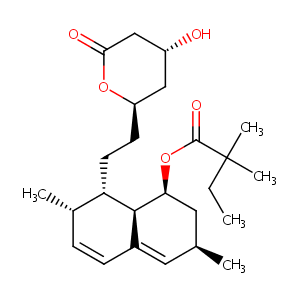
Simvastatin FDA Label
|
| 3 |
URL: http://www.guidetopharmacology.org Nucleic Acids Res. 2015 Oct 12. pii: gkv1037. The IUPHAR/BPS Guide to PHARMACOLOGY in 2016: towards curated quantitative interactions between 1300 protein targets and 6000 ligands. (Ligand id: 2955).
|
| 4 |
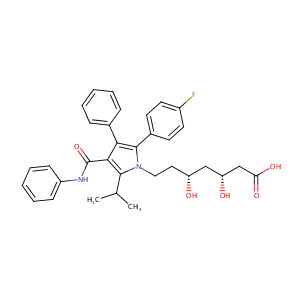
Atorvastatin FDA Label
|
| 5 |
Drugs@FDA. U.S. Food and Drug Administration. U.S. Department of Health & Human Services. 2015
|
| 6 |
FDA Approved Drug Products from FDA Official Website. 2019. Application Number: (ANDA) 205945.
|
| 7 |
ClinicalTrials.gov (NCT04380402) Atorvastatin in COVID-19. U.S. National Institutes of Health.
|
| 8 |
Simvastatin inactivates beta1-integrin and extracellular signal-related kinase signaling and inhibits cell proliferation in head and neck squamous cell carcinoma cells. Cancer Sci. 2007 Jun;98(6):890-9.
|
| 9 |
Simvastatin stimulates vascular endothelial growth factor production by hypoxia-inducible factor-1alpha upregulation in endothelial cells. J Cardiovasc Pharmacol. 2008 Mar;51(3):267-73. doi: 10.1097/FJC.0b013e3181624b44.
|
| 10 |
Simvastatin reduces VCAM-1 expression in human umbilical vein endothelial cells exposed to lipopolysaccharide. Inflamm Res. 2012 May;61(5):485-91. doi: 10.1007/s00011-012-0435-9. Epub 2012 Jan 15.
|
| 11 |
Equally potent inhibitors of cholesterol synthesis in human hepatocytes have distinguishable effects on different cytochrome P450 enzymes. Biopharm Drug Dispos. 2000 Dec;21(9):353-64.
|
| 12 |
Mammalian drug efflux transporters of the ATP binding cassette (ABC) family in multidrug resistance: A review of the past decade. Cancer Lett. 2016 Jan 1;370(1):153-64.
|
| 13 |
Human intestinal transporter database: QSAR modeling and virtual profiling of drug uptake, efflux and interactions. Pharm Res. 2013 Apr;30(4):996-1007.
|
| 14 |
Impact of OATP transporters on pharmacokinetics. Br J Pharmacol. 2009 Oct;158(3):693-705.
|
| 15 |
A comparison of the effects of 3-hydroxy-3-methylglutaryl-coenzyme a (HMG-CoA) reductase inhibitors on the CYP3A4-dependent oxidation of mexazolam in vitro. Drug Metab Dispos. 2001 Mar;29(3):282-8.
|
| 16 |
Pharmacogenomics of statins: understanding susceptibility to adverse effects. Pharmgenomics Pers Med. 2016 Oct 3;9:97-106.
|
| 17 |
Genetic polymorphisms in cytochrome P450 enzymes: effect on efficacy and tolerability of HMG-CoA reductase inhibitors. Am J Cardiovasc Drugs. 2004;4(4):247-55.
|
| 18 |
In vitro metabolism of simvastatin in humans [SBT]identification of metabolizing enzymes and effect of the drug on hepatic P450s. Drug Metab Dispos. 1997 Oct;25(10):1191-9.
|
| 19 |
Drug interactions with lipid-lowering drugs: mechanisms and clinical relevance. Clin Pharmacol Ther. 2006 Dec;80(6):565-81.
|
| 20 |
SLCO1B1 variants and statin-induced myopathy--a genomewide study. N Engl J Med. 2008 Aug 21;359(8):789-99.
|
| 21 |
Differential interaction of 3-hydroxy-3-methylglutaryl-coa reductase inhibitors with ABCB1, ABCC2, and OATP1B1. Drug Metab Dispos. 2005 Apr;33(4):537-46.
|
| 22 |
ADReCS-Target: target profiles for aiding drug safety research and application. Nucleic Acids Res. 2018 Jan 4;46(D1):D911-D917. doi: 10.1093/nar/gkx899.
|
| 23 |
Identification of HMG-CoA reductase inhibitors as activators for human, mouse and rat constitutive androstane receptor. Drug Metab Dispos. 2005 Jul;33(7):924-9.
|
| 24 |
Suppression of RAGE as a basis of simvastatin-dependent plaque stabilization in type 2 diabetes. Arterioscler Thromb Vasc Biol. 2006 Dec;26(12):2716-23.
|
| 25 |
Effects of ezetimibe and/or simvastatin on LDL receptor protein expression and on LDL receptor and HMG-CoA reductase gene expression: a randomized trial in healthy men. Atherosclerosis. 2008 May;198(1):198-207.
|
| 26 |
In-vivo effects of simvastatin and rosuvastatin on global gene expression in peripheral blood leucocytes in a human inflammation model. Pharmacogenet Genomics. 2008 Feb;18(2):109-20.
|
| 27 |
Activation of nuclear factor-kappa B pathway by simvastatin and RhoA silencing increases doxorubicin cytotoxicity in human colon cancer HT29 cells. Mol Pharmacol. 2008 Aug;74(2):476-84.
|
| 28 |
Interference with bile salt export pump function is a susceptibility factor for human liver injury in drug development. Toxicol Sci. 2010 Dec; 118(2):485-500.
|
| 29 |
Resveratrol potentiates effect of simvastatin on inhibition of mevalonate pathway in human endometrial stromal cells. J Clin Endocrinol Metab. 2013 Mar;98(3):E455-62.
|
| 30 |
[Effect of simvastatin on the function of MG63 cell line]. Shanghai Kou Qiang Yi Xue. 2010 Dec;19(6):658-62.
|
| 31 |
Statin-triggered cell death in primary human lung mesenchymal cells involves p53-PUMA and release of Smac and Omi but not cytochrome c. Biochim Biophys Acta. 2010 Apr;1803(4):452-67. doi: 10.1016/j.bbamcr.2009.12.005. Epub 2010 Jan 4.
|
| 32 |
Simvastatin inhibits IL-17 secretion by targeting multiple IL-17-regulatory cytokines and by inhibiting the expression of IL-17 transcription factor RORC in CD4+ lymphocytes. J Immunol. 2008 May 15;180(10):6988-96. doi: 10.4049/jimmunol.180.10.6988.
|
| 33 |
Apoptotic induction by simvastatin in human lung cancer A549 cells via Akt signaling dependent down-regulation of survivin. Invest New Drugs. 2011 Oct;29(5):945-52. doi: 10.1007/s10637-010-9450-2. Epub 2010 May 13.
|
| 34 |
Simvastatin induces apoptosis in human colon cancer cells and in tumor xenografts, and attenuates colitis-associated colon cancer in mice. Int J Cancer. 2008 Aug 15;123(4):951-7. doi: 10.1002/ijc.23593.
|
| 35 |
Simvastatin maintains steady patterns of GFR and improves AER and expression of slit diaphragm proteins in type II diabetes. Kidney Int. 2006 Jul;70(1):177-86. doi: 10.1038/sj.ki.5001515. Epub 2006 May 17.
|
| 36 |
Cholesterol increases protein levels of the E3 ligase MARCH6 and thereby stimulates protein degradation. J Biol Chem. 2019 Feb 15;294(7):2436-2448. doi: 10.1074/jbc.RA118.005069. Epub 2018 Dec 13.
|
| 37 |
Effects of simvastatin on apolipoprotein M in vivo and in vitro. Lipids Health Dis. 2011 Jul 5;10:112. doi: 10.1186/1476-511X-10-112.
|
| 38 |
Combining simvastatin with the farnesyltransferase inhibitor tipifarnib results in an enhanced cytotoxic effect in a subset of primary CD34+ acute myeloid leukemia samples. Clin Cancer Res. 2009 May 1;15(9):3076-83. doi: 10.1158/1078-0432.CCR-08-3004. Epub 2009 Apr 21.
|
| 39 |
Cytoskeletal activation and altered gene expression in endothelial barrier regulation by simvastatin. Am J Respir Cell Mol Biol. 2004 May;30(5):662-70. doi: 10.1165/rcmb.2003-0267OC. Epub 2003 Nov 20.
|
| 40 |
Simvastatin inhibits NOR-1 expression induced by hyperlipemia by interfering with CREB activation. Cardiovasc Res. 2005 Aug 1;67(2):333-41. doi: 10.1016/j.cardiores.2005.03.016. Epub 2005 Apr 21.
|
| 41 |
Systems pharmacological analysis of drugs inducing stevens-johnson syndrome and toxic epidermal necrolysis. Chem Res Toxicol. 2015 May 18;28(5):927-34. doi: 10.1021/tx5005248. Epub 2015 Apr 3.
|
| 42 |
Inhibition of systemic sclerosis dermal fibroblast type I collagen production and gene expression by simvastatin. Arthritis Rheum. 2006 Apr;54(4):1298-308. doi: 10.1002/art.21723.
|
| 43 |
A systems biology strategy reveals biological pathways and plasma biomarker candidates for potentially toxic statin-induced changes in muscle. PLoS One. 2006 Dec 20;1(1):e97. doi: 10.1371/journal.pone.0000097.
|
| 44 |
Simvastatin combined with ramipril treatment in hypercholesterolemic patients. Hypertension. 2004 Aug;44(2):180-5. doi: 10.1161/01.HYP.0000133310.42762.25. Epub 2004 Jun 7.
|
| 45 |
The effect of simvastatin on the proliferation and differentiation of human bone marrow stromal cells. J Korean Med Sci. 2005 Jun;20(3):438-44. doi: 10.3346/jkms.2005.20.3.438.
|
| 46 |
Simvastatin reduces MMP1 expression in human smooth muscle cells cultured on polymerized collagen by inhibiting Rac1 activation. Arterioscler Thromb Vasc Biol. 2007 May;27(5):1043-9. doi: 10.1161/ATVBAHA.107.139881. Epub 2007 Feb 15.
|
| 47 |
Simvastatin and lovastatin inhibit breast cell invasion induced by H-Ras. Oncol Rep. 2009 May;21(5):1317-22. doi: 10.3892/or_00000357.
|
| 48 |
Simvastatin protects neurons from cytotoxicity by up-regulating Bcl-2 mRNA and protein. J Neurochem. 2007 Apr;101(1):77-86. doi: 10.1111/j.1471-4159.2006.04375.x. Epub 2007 Jan 4.
|
| 49 |
Simvastatin inhibits tissue factor and plasminogen activator inhibitor-1 secretion by peripheral blood mononuclear cells in patients with primary nephrotic syndrome. Eur J Med Res. 2007 May 29;12(5):216-21.
|
| 50 |
Simvastatin suppresses tissue factor expression and increases fibrinolytic activity in tumor necrosis factor-alpha-activated human peritoneal mesothelial cells. Kidney Int. 2003 Jun;63(6):2065-74. doi: 10.1046/j.1523-1755.2003.t01-2-00004.x.
|
| 51 |
HMG-CoA reductase inhibitor simvastatin inhibits cell cycle progression at the G1/S checkpoint in immortalized lymphocytes from Alzheimer's disease patients independently of cholesterol-lowering effects. J Pharmacol Exp Ther. 2008 Jan;324(1):352-9. doi: 10.1124/jpet.107.128959. Epub 2007 Oct 10.
|
| 52 |
[Simvastatin-induced apoptosis of K562 cells is mediated by endoplasmic reticulum stress]. Yao Xue Xue Bao. 2008 Apr;43(4):371-7.
|
| 53 |
Simvastatin induces heat shock factor 1 in vascular endothelial cells. Atherosclerosis. 2006 Oct;188(2):265-73. doi: 10.1016/j.atherosclerosis.2005.10.045. Epub 2005 Dec 20.
|
| 54 |
Simvastatin reduces expression of cytokines interleukin-6, interleukin-8, and monocyte chemoattractant protein-1 in circulating monocytes from hypercholesterolemic patients. Arterioscler Thromb Vasc Biol. 2002 Jul 1;22(7):1194-9. doi: 10.1161/01.atv.0000022694.16328.cc.
|
| 55 |
Simvastatin down regulates mRNA expression of RANTES and CCR5 in posttransplant renal recipients with hyperlipidemia. Transplant Proc. 2006 Nov;38(9):2899-904. doi: 10.1016/j.transproceed.2006.08.136.
|
| 56 |
Simvastatin prevents skeletal metastasis of breast cancer by an antagonistic interplay between p53 and CD44. J Biol Chem. 2011 Apr 1;286(13):11314-27. doi: 10.1074/jbc.M110.193714. Epub 2011 Jan 3.
|
| 57 |
Simvastatin and purine analogs have a synergic effect on apoptosis of chronic lymphocytic leukemia cells. Ann Hematol. 2010 Nov;89(11):1115-24. doi: 10.1007/s00277-010-0988-z. Epub 2010 May 25.
|
| 58 |
Simvastatin reduces OX40 and OX40 ligand expression in human peripheral blood mononuclear cells and in patients with atherosclerotic cerebral infarction. J Int Med Res. 2009 May-Jun;37(3):601-10. doi: 10.1177/147323000903700302.
|
| 59 |
Differential effects of statins on relevant functions of human monocyte-derived dendritic cells. J Leukoc Biol. 2006 Mar;79(3):529-38. doi: 10.1189/jlb.0205064. Epub 2005 Dec 30.
|
| 60 |
Temporal gene expression analysis of human coronary artery endothelial cells treated with Simvastatin. Gene Expr. 2008;14(4):229-39. doi: 10.3727/105221608786883834.
|
| 61 |
Cholesterol-lowering therapy evokes time-limited changes in serotonergic transmission. Psychiatry Res. 2005 Feb 28;133(2-3):197-203. doi: 10.1016/j.psychres.2004.11.005.
|
| 62 |
Simvastatin inhibits growth via apoptosis and the induction of cell cycle arrest in human melanoma cells. Melanoma Res. 2008 Apr;18(2):85-94. doi: 10.1097/CMR.0b013e3282f60097.
|
| 63 |
Simvastatin inhibits cell growth and induces apoptosis and G0/G1 cell cycle arrest in hepatic cancer cells. Int J Mol Med. 2010 Nov;26(5):735-41. doi: 10.3892/ijmm_00000520.
|
| 64 |
Statin-induced Mitochondrial Priming Sensitizes Multiple Myeloma Cells to BCL2 and MCL-1 Inhibitors. Cancer Res Commun. 2023 Dec 8;3(12):2497-2509. doi: 10.1158/2767-9764.CRC-23-0350.
|
| 65 |
Effect of simvastatin on cholesterol metabolism in C2C12 myotubes and HepG2 cells, and consequences for statin-induced myopathy. Biochem Pharmacol. 2010 Apr 15;79(8):1200-9. doi: 10.1016/j.bcp.2009.12.007. Epub 2009 Dec 14.
|
| 66 |
Simvastatin potentiates TNF-alpha-induced apoptosis through the down-regulation of NF-kappaB-dependent antiapoptotic gene products: role of IkappaBalpha kinase and TGF-beta-activated kinase-1. J Immunol. 2007 Feb 15;178(4):2507-16. doi: 10.4049/jimmunol.178.4.2507.
|
| 67 |
Simvastatin stimulates production of the antiapoptotic protein Bcl-2 via endothelin-1 and NFATc3 in SH-SY5Y cells. Mol Neurobiol. 2010 Jun;41(2-3):384-91. doi: 10.1007/s12035-010-8122-8. Epub 2010 Apr 6.
|
| 68 |
Simvastatin inhibits IFN regulatory factor 4 expression and Th17 cell differentiation in CD4+ T cells derived from patients with multiple sclerosis. J Immunol. 2011 Sep 15;187(6):3431-7. doi: 10.4049/jimmunol.1100580. Epub 2011 Aug 19.
|
| 69 |
Simvastatin induces activation of the serine-threonine protein kinase AKT and increases survival of isolated human pancreatic islets. Transplantation. 2002 Oct 27;74(8):1063-9. doi: 10.1097/00007890-200210270-00001.
|
| 70 |
Immune regulatory effects of simvastatin on regulatory T cell-mediated tumour immune tolerance. Clin Exp Immunol. 2010 Aug;161(2):298-305. doi: 10.1111/j.1365-2249.2010.04170.x. Epub 2010 May 18.
|
| 71 |
Simvastatin induces the odontogenic differentiation of human dental pulp stem cells in vitro and in vivo. J Endod. 2009 Mar;35(3):367-72. doi: 10.1016/j.joen.2008.11.024.
|
| 72 |
Hydroxychloroquine decreases human MSC-derived osteoblast differentiation and mineralization in vitro. J Cell Mol Med. 2018 Feb;22(2):873-882. doi: 10.1111/jcmm.13373. Epub 2017 Oct 3.
|
| 73 |
A beneficial effect of simvastatin on DNA damage in 242T allele of the NADPH oxidase p22phox in hypercholesterolemic patients. Clin Chim Acta. 2005 Oct;360(1-2):46-51. doi: 10.1016/j.cccn.2005.04.001.
|
| 74 |
Physiogenomic association of statin-related myalgia to serotonin receptors. Muscle Nerve. 2007 Sep;36(3):329-35. doi: 10.1002/mus.20871.
|
| 75 |
Regulation of apoptosis in human melanoma and neuroblastoma cells by statins, sodium arsenite and TRAIL: a role of combined treatment versus monotherapy. Apoptosis. 2011 Dec;16(12):1268-84.
|
| 76 |
NCI60 cancer cell line panel data and RNAi analysis help identify EAF2 as a modulator of simvastatin and lovastatin response in HCT-116 cells. PLoS One. 2011 Apr 4;6(4):e18306. doi: 10.1371/journal.pone.0018306.
|
| 77 |
Determinants of variable response to simvastatin treatment: the role of common variants of SCAP, SREBF-1a and SREBF-2 genes. Pharmacogenomics J. 2005;5(6):359-64. doi: 10.1038/sj.tpj.6500334.
|
| 78 |
Association of the Trp719Arg polymorphism in kinesin-like protein 6 with myocardial infarction and coronary heart disease in 2 prospective trials: the CARE and WOSCOPS trials. J Am Coll Cardiol. 2008 Jan 29;51(4):435-43. doi: 10.1016/j.jacc.2007.05.057.
|
| 79 |
Atorvastatin affects several angiogenic mediators in human endothelial cells. Endothelium. 2005 Sep-Dec;12(5-6):233-41.
|
| 80 |
Markers of inflammation, thrombosis and endothelial activation correlate with carotid IMT regression in stable coronary disease after atorvastatin treatment. Nutr Metab Cardiovasc Dis. 2009 Sep;19(7):481-90. doi: 10.1016/j.numecd.2008.10.003. Epub 2009 Jan 26.
|
| 81 |
Statin therapy in COVID-19 infection. Eur Heart J Cardiovasc Pharmacother. 2020 Apr 29. pii: pvaa042.
|
| 82 |
Tarascon Pocket Pharmacopoeia 2018 Classic Shirt-Pocket Edition.
|
| 83 |
Rifampicin alters atorvastatin plasma concentration on the basis of SLCO1B1 521T>C polymorphism. Clin Chim Acta. 2009 Jul;405(1-2):49-52.
|
| 84 |
Influence of the flavonoids apigenin, kaempferol, and quercetin on the function of organic anion transporting polypeptides 1A2 and 2B1. Biochem Pharmacol. 2010 Dec 1;80(11):1746-53.
|
| 85 |
FDA Drug Development and Drug Interactions
|
| 86 |
Human platelets express organic anion-transporting peptide 2B1, an uptake transporter for atorvastatin. Drug Metab Dispos. 2009 May;37(5):1129-37.
|
| 87 |
H+-coupled nutrient, micronutrient and drug transporters in the mammalian small intestine. Exp Physiol. 2007 Jul;92(4):603-19.
|
| 88 |
Monocarboxylate Transporters in Drug Disposition: Role in the Toxicokinetics and Toxicodynamics of the Drug of Abuse GHB.
|
| 89 |
Substrates, inducers, inhibitors and structure-activity relationships of human Cytochrome P450 2C9 and implications in drug development. Curr Med Chem. 2009;16(27):3480-675.
|
| 90 |
Atorvastatin glucuronidation is minimally and nonselectively inhibited by the fibrates gemfibrozil, fenofibrate, and fenofibric acid. Drug Metab Dispos. 2007 Aug;35(8):1315-24.
|
| 91 |
Effects of acid and lactone forms of eight HMG-CoA reductase inhibitors on CYP-mediated metabolism and MDR1-mediated transport. Pharm Res. 2006 Mar;23(3):506-12.
|
| 92 |
Drug Development and Drug Interactions: Table of Substrates, Inhibitors and Inducers.
|
| 93 |
Role of cytochrome P450 2C8 in drug metabolism and interactions. Pharmacol Rev. 2016 Jan;68(1):168-241.
|
| 94 |
UGT1A1*28 is associated with decreased systemic exposure of atorvastatin lactone. Mol Diagn Ther. 2013 Aug;17(4):233-7.
|
| 95 |
[Association of a polymorphic marker Trp719Arg of KIF6 gene with effects of atorvastatin and simvastatin in patients with early ischemic heart disease]. Kardiologiia. 2011;51(9):4-12.
|
| 96 |
Effects of rosiglitazone and atorvastatin on the expression of genes that control cholesterol homeostasis in differentiating monocytes. Biochem Pharmacol. 2006 Feb 28;71(5):605-14.
|
| 97 |
A multifactorial approach to hepatobiliary transporter assessment enables improved therapeutic compound development. Toxicol Sci. 2013 Nov;136(1):216-41.
|
| 98 |
Involvement of pregnane X receptor in the impaired glucose utilization induced by atorvastatin in hepatocytes. Biochem Pharmacol. 2016 Jan 15;100:98-111.
|
| 99 |
Atorvastatin and quinapril inhibit blood coagulation in patients with coronary artery disease following 28 days of therapy. J Thromb Haemost. 2006 Nov;4(11):2397-404. doi: 10.1111/j.1538-7836.2006.02165.x. Epub 2006 Aug 14.
|
| 100 |
Atorvastatin induces MicroRNA-145 expression in HEPG2 cells via regulation of the PI3K/AKT signalling pathway. Chem Biol Interact. 2018 May 1;287:32-40. doi: 10.1016/j.cbi.2018.04.005. Epub 2018 Apr 6.
|
| 101 |
Simvastatin and atorvastatin enhance gene expression of collagen type 1 and osteocalcin in primary human osteoblasts and MG-63 cultures. J Cell Biochem. 2007 Aug 15;101(6):1430-8. doi: 10.1002/jcb.21259.
|
| 102 |
Effects of atorvastatin on inflammation and oxidative stress. Heart Vessels. 2005 Jul;20(4):133-6. doi: 10.1007/s00380-005-0833-9.
|
| 103 |
Atorvastatin induces mitochondrial dysfunction and cell apoptosis in HepG2 cells via inhibition of the Nrf2 pathway. J Appl Toxicol. 2019 Oct;39(10):1394-1404. doi: 10.1002/jat.3825. Epub 2019 Aug 18.
|
| 104 |
Inhibition of autophagy enhances anticancer effects of atorvastatin in digestive malignancies. Cancer Res. 2010 Oct 1;70(19):7699-709. doi: 10.1158/0008-5472.CAN-10-1626. Epub 2010 Sep 28.
|
| 105 |
Combination of atorvastatin and celecoxib synergistically induces cell cycle arrest and apoptosis in colon cancer cells. Int J Cancer. 2008 May 1;122(9):2115-24. doi: 10.1002/ijc.23315.
|
| 106 |
RhoA GTPase inactivation by statins induces osteosarcoma cell apoptosis by inhibiting p42/p44-MAPKs-Bcl-2 signaling independently of BMP-2 and cell differentiation. Cell Death Differ. 2006 Nov;13(11):1845-56. doi: 10.1038/sj.cdd.4401873. Epub 2006 Feb 10.
|
| 107 |
The effects of atorvastatin (10 mg) on systemic inflammation in heart failure. Am J Cardiol. 2005 Dec 15;96(12):1699-704. doi: 10.1016/j.amjcard.2005.07.092. Epub 2005 Oct 28.
|
| 108 |
Integrin expression on monocytes and lymphocytes in unstable angina short term effects of atorvastatin. Rom J Intern Med. 2007;45(2):193-9.
|
| 109 |
Treatment with atorvastatin alters the ratio of interleukin-12/interleukin-10 gene expression [corrected]. Eur J Clin Invest. 2003 Jan;33(1):88-91. doi: 10.1046/j.1365-2362.2003.01105.x.
|
| 110 |
Effect of atorvastatin on circulating proinflammatory T-lymphocyte subsets and soluble CD40 ligand in patients with stable coronary artery disease--a randomized, placebo-controlled study. Am Heart J. 2006 Jan;151(1):139. doi: 10.1016/j.ahj.2005.10.006.
|
| 111 |
Decreased circulating Fas ligand in patients with familial combined hyperlipidemia or carotid atherosclerosis: normalization by atorvastatin. J Am Coll Cardiol. 2004 Apr 7;43(7):1188-94. doi: 10.1016/j.jacc.2003.10.046.
|
| 112 |
Effect of Ivermectin and Atorvastatin on Nuclear Localization of Importin Alpha and Drug Target Expression Profiling in Host Cells from Nasopharyngeal Swabs of SARS-CoV-2- Positive Patients. Viruses. 2021 Oct 15;13(10):2084. doi: 10.3390/v13102084.
|
| 113 |
Differential regulation of apolipoprotein B secretion from HepG2 cells by two HMG-CoA reductase inhibitors, atorvastatin and simvastatin. J Lipid Res. 1999 Jun;40(6):1078-89.
|
| 114 |
Effect of atorvastatin, simvastatin, and lovastatin on the metabolism of cholesterol and triacylglycerides in HepG2 cells. Biochem Pharmacol. 2001 Dec 1;62(11):1545-55. doi: 10.1016/s0006-2952(01)00790-0.
|
| 115 |
Atorvastatin and pravastatin stimulate nitric oxide and reactive oxygen species generation, affect mitochondrial network architecture and elevate nicotinamide N-methyltransferase level in endothelial cells. J Appl Toxicol. 2021 Jul;41(7):1076-1088. doi: 10.1002/jat.4094. Epub 2020 Oct 19.
|
| 116 |
Atorvastatin mediates increases in intralesional BAX and BAK expression in human end-stage abdominal aortic aneurysms. Can J Physiol Pharmacol. 2009 Nov;87(11):915-22. doi: 10.1139/y09-085.
|
| 117 |
Atorvastatin transport in the Caco-2 cell model: contributions of P-glycoprotein and the proton-monocarboxylic acid co-transporter. Pharm Res. 2000 Feb;17(2):209-15. doi: 10.1023/a:1007525616017.
|
| 118 |
The influence of oral antidiabetic drugs on cellular drug uptake mediated by hepatic OATP family members. Basic Clin Pharmacol Toxicol. 2013 Apr;112(4):244-50. doi: 10.1111/bcpt.12031. Epub 2012 Dec 6.
|
| 119 |
Functional characterization of SLCO1B1 (OATP-C) variants, SLCO1B1*5, SLCO1B1*15 and SLCO1B1*15+C1007G, by using transient expression systems of HeLa and HEK293 cells. Pharmacogenet Genomics. 2005 Jul;15(7):513-22.
|
| 120 |
Identification of target and pathway of aspirin combined with Lipitor treatment in prostate cancer through integrated bioinformatics analysis. Toxicol Appl Pharmacol. 2022 Oct 1;452:116169. doi: 10.1016/j.taap.2022.116169. Epub 2022 Aug 1.
|
| 121 |
ClinicalTrials.gov (NCT00664469) INdians Followed for INtensive Lipid Lowering Treatment and Its safetY
|
| 122 |
ClinicalTrials.gov (NCT02518516) High Potency Statins and Acute Kidney Injury
|
| 123 |
ClinicalTrials.gov (NCT00166530) EASEGO Study: Doubling of Atorvastatin/Simvastatin or INEGY in Patients With Hypercholesterolemia and Coronary Artery Disease(CAD)(0653A-089)
|
|
|
|
|
|
|