General Information of Drug Combination (ID: DCENLKG)

Drug Combination Name
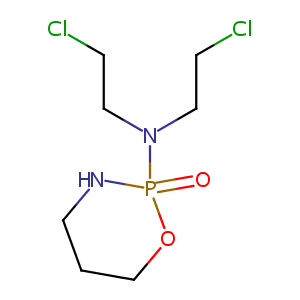
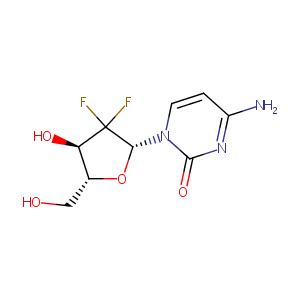
Cyclophosphamide Gemcitabine
Indication
Disease Entry Status REF
Acute Lymphoblastic Leukemia, Adult Phase 2 [1]
Component Drugs Cyclophosphamide   DM4O2Z7 Gemcitabine   DMSE3I7
Small molecular drug Small molecular drug
2D MOL 2D MOL
3D MOL 3D MOL

Molecular Interaction Atlas of This Drug Combination

Molecular Interaction Atlas (MIA)
Indication(s) of Cyclophosphamide
Disease Entry ICD 11 Status REF
Advanced cancer 2A00-2F9Z Approved [2]
Central nervous system neoplasm N.A. Approved [2]
Glioblastoma 2A00 Approved [2]
Immunodeficiency 4A00-4A85 Approved [2]
Inflammatory breast cancer 2C62 Approved [2]
Lupus nephritis 4A40.0Y Approved [2]
Lymphoma 2A80-2A86 Approved [2]
Multiple sclerosis 8A40 Approved [2]
Mycosis fungoides 2B01 Approved [2]
Plasma cell myeloma 2A83.1 Approved [2]
Solid tumour/cancer 2A00-2F9Z Approved [3]
Classic Hodgkin lymphoma N.A. Investigative [2]
Neuroblastoma 2D11.2 Investigative [2]
Retinoblastoma 2D02.2 Investigative [2]
Scleroderma 4A42 Investigative [2]
Cyclophosphamide Interacts with 1 DTT Molecule(s)
DTT Name DTT ID UniProt ID Mode of Action REF
Human Deoxyribonucleic acid (hDNA) TTUTN1I NOUNIPROTAC Modulator [14]
------------------------------------------------------------------------------------
Cyclophosphamide Interacts with 1 DTP Molecule(s)
DTP Name DTP ID UniProt ID Mode of Action REF
Multidrug resistance-associated protein 4 (ABCC4) DTCSGPB MRP4_HUMAN Substrate [15]
------------------------------------------------------------------------------------
Cyclophosphamide Interacts with 8 DME Molecule(s)
DME Name DME ID UniProt ID Mode of Action REF
Cytochrome P450 3A4 (CYP3A4) DE4LYSA CP3A4_HUMAN Metabolism [16]
Cytochrome P450 2A6 (CYP2A6) DEJVYAZ CP2A6_HUMAN Metabolism [17]
Cytochrome P450 3A7 (CYP3A7) DERD86B CP3A7_HUMAN Metabolism [18]
Cytochrome P450 2C18 (CYP2C18) DEZMWRE CP2CI_HUMAN Metabolism [17]
Cytochrome P450 2C8 (CYP2C8) DES5XRU CP2C8_HUMAN Metabolism [19]
Cytochrome P450 2C9 (CYP2C9) DE5IED8 CP2C9_HUMAN Metabolism [20]
Cytochrome P450 2B6 (CYP2B6) DEPKLMQ CP2B6_HUMAN Metabolism [21]
Mephenytoin 4-hydroxylase (CYP2C19) DEGTFWK CP2CJ_HUMAN Metabolism [22]
------------------------------------------------------------------------------------
⏷ Show the Full List of 8 DME(s)
Cyclophosphamide Interacts with 162 DOT Molecule(s)
DOT Name DOT ID UniProt ID Mode of Action REF
Actin, cytoplasmic 1 (ACTB) OT1MCP2F ACTB_HUMAN Decreases Expression [23]
Band 4.1-like protein 2 (EPB41L2) OT6UABPM E41L2_HUMAN Decreases Expression [24]
Receptor activity-modifying protein 1 (RAMP1) OT7UT2XB RAMP1_HUMAN Increases Expression [24]
Cystatin-F (CST7) OTQWZUVQ CYTF_HUMAN Decreases Expression [24]
Kelch repeat and BTB domain-containing protein 11 (KBTBD11) OTBOY3WH KBTBB_HUMAN Decreases Expression [24]
Aldehyde dehydrogenase, mitochondrial (ALDH2) OTKJ9I3N ALDH2_HUMAN Increases Expression [24]
Tyrosine-protein kinase Fyn (FYN) OTLSLVZS FYN_HUMAN Increases Expression [24]
SPARC (SPARC) OTPN90H0 SPRC_HUMAN Increases Expression [24]
Non-secretory ribonuclease (RNASE2) OT8Z4FNE RNAS2_HUMAN Decreases Expression [24]
Transcriptional regulator ERG (ERG) OTOTX9VU ERG_HUMAN Increases Expression [24]
Cytochrome c oxidase subunit 7A2, mitochondrial (COX7A2) OTVT146E CX7A2_HUMAN Decreases Expression [24]
Methylated-DNA--protein-cysteine methyltransferase (MGMT) OT40A9WH MGMT_HUMAN Decreases Expression [24]
Bactericidal permeability-increasing protein (BPI) OTNN9LJ5 BPI_HUMAN Decreases Expression [24]
Interferon-induced GTP-binding protein Mx2 (MX2) OT05NF37 MX2_HUMAN Decreases Expression [24]
Myeloblastin (PRTN3) OT72MHP7 PRTN3_HUMAN Decreases Expression [24]
Protein S100-P (S100P) OTJCXNJG S100P_HUMAN Decreases Expression [24]
Transmembrane 4 L6 family member 1 (TM4SF1) OTY0ECQN T4S1_HUMAN Increases Expression [24]
Intercellular adhesion molecule 3 (ICAM3) OTTZ5A5D ICAM3_HUMAN Decreases Expression [24]
Glycine receptor subunit beta (GLRB) OTF37UG4 GLRB_HUMAN Increases Expression [24]
Ras-related protein R-Ras2 (RRAS2) OT83NCEB RRAS2_HUMAN Increases Expression [24]
Bcl-2-interacting killer (BIK) OTTH1T3D BIK_HUMAN Decreases Expression [24]
Pleckstrin homology-like domain family A member 2 (PHLDA2) OTMV9DPP PHLA2_HUMAN Increases Expression [24]
Testis-expressed protein 30 (TEX30) OT87WEPQ TEX30_HUMAN Decreases Expression [24]
Ras-related GTP-binding protein A (RRAGA) OTKISLG4 RRAGA_HUMAN Decreases Expression [24]
Cilium assembly protein DZIP1 (DZIP1) OTBVPO66 DZIP1_HUMAN Increases Expression [24]
RNA-binding protein with multiple splicing (RBPMS) OT1RDKR9 RBPMS_HUMAN Increases Expression [24]
Membrane-spanning 4-domains subfamily A member 3 (MS4A3) OT0CEJOO MS4A3_HUMAN Decreases Expression [24]
Rho GTPase-activating protein 7 (DLC1) OTP8LMCR RHG07_HUMAN Increases Expression [24]
MyoD family inhibitor domain-containing protein (MDFIC) OTSRYBWZ MDFIC_HUMAN Decreases Expression [24]
Guanine nucleotide-binding protein G(I)/G(S)/G(O) subunit gamma-12 (GNG12) OTOGF42G GBG12_HUMAN Increases Expression [24]
Cyclic AMP-dependent transcription factor ATF-5 (ATF5) OT03QCLM ATF5_HUMAN Decreases Expression [24]
PALM2-AKAP2 fusion protein (PALM2AKAP2) OTI618VF PLAK2_HUMAN Increases Expression [24]
Dihydropyrimidinase-related protein 4 (DPYSL4) OT3SBS2S DPYL4_HUMAN Increases Expression [9]
Integral membrane protein GPR137B (GPR137B) OT1CINQQ G137B_HUMAN Increases Expression [9]
Glutaminase kidney isoform, mitochondrial (GLS) OTGOZG2M GLSK_HUMAN Increases Expression [9]
Ubiquitin-like protein ISG15 (ISG15) OT53QQ7N ISG15_HUMAN Increases Expression [9]
Stomatin (STOM) OTC8R6EH STOM_HUMAN Increases Expression [9]
Cellular retinoic acid-binding protein 2 (CRABP2) OTY01V9G RABP2_HUMAN Increases Expression [9]
Tyrosine-protein kinase receptor UFO (AXL) OTKA2SUX UFO_HUMAN Increases Expression [9]
14-3-3 protein sigma (SFN) OTLJCZ1U 1433S_HUMAN Increases Expression [9]
Cyclin-dependent kinase inhibitor 1 (CDKN1A) OTQWHCZE CDN1A_HUMAN Increases Expression [9]
Tumor necrosis factor ligand superfamily member 9 (TNFSF9) OTV9L89D TNFL9_HUMAN Increases Expression [9]
Galectin-7 (LGALS7) OTMSVI7R LEG7_HUMAN Increases Expression [9]
Rho GDP-dissociation inhibitor 2 (ARHGDIB) OT9PD6CS GDIR2_HUMAN Increases Expression [9]
Epithelial membrane protein 1 (EMP1) OTSZHUHQ EMP1_HUMAN Increases Expression [9]
Epithelial membrane protein 3 (EMP3) OTODMJ1D EMP3_HUMAN Increases Expression [9]
Protein ripply3 (RIPPLY3) OT1HK35I DSCR6_HUMAN Increases Expression [9]
Pro-neuregulin-1, membrane-bound isoform (NRG1) OTZO6F1X NRG1_HUMAN Increases Expression [9]
Laminin subunit gamma-2 (LAMC2) OTJMTM72 LAMC2_HUMAN Increases Expression [9]
Filamin-C (FLNC) OT3F8J6Y FLNC_HUMAN Increases Expression [9]
Immediate early response gene 5 protein (IER5) OTJPTXMD IER5_HUMAN Increases Expression [9]
Keratin, type II cytoskeletal 80 (KRT80) OTAU54U3 K2C80_HUMAN Increases Expression [9]
Neuropilin and tolloid-like protein 2 (NETO2) OT0YAMC0 NETO2_HUMAN Increases Expression [9]
UDP-GalNAc:beta-1,3-N-acetylgalactosaminyltransferase 2 (B3GALNT2) OTOF6O2B B3GL2_HUMAN Increases Expression [9]
Phospholipase ABHD3 (ABHD3) OTH8P977 ABHD3_HUMAN Increases Expression [9]
Tumor necrosis factor receptor superfamily member 14 (TNFRSF14) OTB82PFO TNR14_HUMAN Increases Expression [9]
Major histocompatibility complex class I-related gene protein (MR1) OTZU3XX7 HMR1_HUMAN Increases Expression [9]
Tumor necrosis factor receptor superfamily member 27 (EDA2R) OTJLAIIH TNR27_HUMAN Increases Expression [9]
Stathmin-3 (STMN3) OT20F289 STMN3_HUMAN Increases Expression [9]
Solute carrier family 2, facilitated glucose transporter member 6 (SLC2A6) OTVUZCLG GTR6_HUMAN Increases Expression [9]
Endothelial protein C receptor (PROCR) OTRHED17 EPCR_HUMAN Increases Expression [9]
Interferon-related developmental regulator 1 (IFRD1) OT4SQMLQ IFRD1_HUMAN Decreases Expression [10]
Kinesin-like protein KIF21B (KIF21B) OTFXFIU3 KI21B_HUMAN Decreases Expression [10]
Large neutral amino acids transporter small subunit 3 (SLC43A1) OTQJQY3S LAT3_HUMAN Decreases Expression [10]
Cystatin-A (CSTA) OT1K68KE CYTA_HUMAN Decreases Expression [10]
Amino acid transporter heavy chain SLC3A2 (SLC3A2) OTBR33M9 4F2_HUMAN Decreases Expression [10]
Bifunctional methylenetetrahydrofolate dehydrogenase/cyclohydrolase, mitochondrial (MTHFD2) OT1LQSGX MTDC_HUMAN Decreases Expression [10]
Protein EVI2A (EVI2A) OTR8RUXQ EVI2A_HUMAN Decreases Expression [10]
Tumor necrosis factor receptor superfamily member 6 (FAS) OTP9XG86 TNR6_HUMAN Decreases Expression [10]
DnaJ homolog subfamily B member 1 (DNAJB1) OTCOSEVH DNJB1_HUMAN Increases Expression [10]
DNA damage-inducible transcript 3 protein (DDIT3) OTI8YKKE DDIT3_HUMAN Decreases Expression [10]
Radiation-inducible immediate-early gene IEX-1 (IER3) OTZJI5FZ IEX1_HUMAN Decreases Expression [10]
Cysteine--tRNA ligase, cytoplasmic (CARS1) OTOUZF6O SYCC_HUMAN Decreases Expression [10]
Sestrin-2 (SESN2) OT889IXY SESN2_HUMAN Decreases Expression [10]
Hydroxymethylglutaryl-CoA synthase, cytoplasmic (HMGCS1) OTCO26FV HMCS1_HUMAN Increases Expression [10]
Transmembrane protein 267 (TMEM267) OTEAAVK7 TM267_HUMAN Decreases Expression [10]
Baculoviral IAP repeat-containing protein 3 (BIRC3) OT3E95KB BIRC3_HUMAN Decreases Expression [10]
Isopentenyl-diphosphate Delta-isomerase 1 (IDI1) OTGM06VJ IDI1_HUMAN Increases Expression [10]
Nuclear receptor coactivator 7 (NCOA7) OT2CNBOG NCOA7_HUMAN Decreases Expression [10]
Alanine aminotransferase 2 (GPT2) OTS5VF7N ALAT2_HUMAN Decreases Expression [10]
Nanos homolog 1 (NANOS1) OT3UNZZY NANO1_HUMAN Increases Expression [10]
Heat shock protein 105 kDa (HSPH1) OTVRR73T HS105_HUMAN Increases Expression [10]
Insulin gene enhancer protein ISL-2 (ISL2) OT43PD2V ISL2_HUMAN Decreases Expression [10]
E3 ubiquitin-protein ligase pellino homolog 1 (PELI1) OTMLBCLC PELI1_HUMAN Decreases Expression [10]
Centriolar and ciliogenesis-associated protein HYLS1 (HYLS1) OT3SW5UC HYLS1_HUMAN Decreases Expression [10]
Tribbles homolog 3 (TRIB3) OTG5OS7X TRIB3_HUMAN Decreases Expression [10]
Glutathione-specific gamma-glutamylcyclotransferase 1 (CHAC1) OTJGE772 CHAC1_HUMAN Decreases Expression [10]
Transmembrane 6 superfamily member 1 (TM6SF1) OTQR4I2N TM6S1_HUMAN Decreases Expression [10]
Protein FAM107B (FAM107B) OT5RG4J0 F107B_HUMAN Decreases Expression [10]
Lysine-rich coiled-coil protein 1 (KRCC1) OTMMV6WZ KRCC1_HUMAN Decreases Expression [10]
DnaJ homolog subfamily B member 4 (DNAJB4) OTUD01BK DNJB4_HUMAN Increases Expression [10]
SLAM family member 5 (CD84) OTAY5B0F SLAF5_HUMAN Increases Expression [10]
Nuclear factor erythroid 2-related factor 3 (NFE2L3) OT1MGXT0 NF2L3_HUMAN Decreases Expression [10]
Apoptotic protease-activating factor 1 (APAF1) OTJWIVY0 APAF_HUMAN Decreases Expression [11]
Growth arrest-specific protein 2 (GAS2) OT50JKXQ GAS2_HUMAN Increases Expression [25]
Slit homolog 1 protein (SLIT1) OT35RBNT SLIT1_HUMAN Decreases Expression [12]
DnaJ homolog subfamily B member 6 (DNAJB6) OTMHIIAN DNJB6_HUMAN Increases Expression [25]
Nuclear receptor subfamily 1 group I member 2 (NR1I2) OTC5U0N5 NR1I2_HUMAN Increases Activity [26]
Follitropin subunit beta (FSHB) OTGLS283 FSHB_HUMAN Increases Expression [27]
Thymidine kinase, cytosolic (TK1) OTY5JFM1 KITH_HUMAN Increases Mutagenesis [28]
ATP-dependent translocase ABCB1 (ABCB1) OTEJROBO MDR1_HUMAN Increases Expression [26]
Poly polymerase 1 (PARP1) OT310QSG PARP1_HUMAN Increases Cleavage [29]
Interleukin-8 (CXCL8) OTS7T5VH IL8_HUMAN Increases Expression [30]
Histone H2AX (H2AX) OT18UX57 H2AX_HUMAN Increases Phosphorylation [31]
Natriuretic peptides B (NPPB) OTSN2IPY ANFB_HUMAN Increases Expression [32]
Troponin I, cardiac muscle (TNNI3) OT65E12V TNNI3_HUMAN Increases Expression [32]
Tumor necrosis factor alpha-induced protein 3 (TNFAIP3) OTVLI4DD TNAP3_HUMAN Increases Expression [33]
Growth arrest and DNA damage-inducible protein GADD45 alpha (GADD45A) OTDRV63V GA45A_HUMAN Increases Expression [11]
Endothelin receptor type B (EDNRB) OTLLZV3P EDNRB_HUMAN Increases Expression [12]
Insulin-like growth factor-binding protein 5 (IGFBP5) OTRE5V0C IBP5_HUMAN Decreases Expression [12]
Proteasome subunit alpha type-5 (PSMA5) OT38E6Y1 PSA5_HUMAN Increases Expression [25]
HLA class I histocompatibility antigen, alpha chain F (HLA-F) OT76CM19 HLAF_HUMAN Increases Expression [12]
Phospholipid hydroperoxide glutathione peroxidase GPX4 (GPX4) OTRAFFX2 GPX4_HUMAN Increases Expression [25]
Cytosolic purine 5'-nucleotidase (NT5C2) OTJMF66Z 5NTC_HUMAN Increases Expression [12]
Tumor protein D52 (TPD52) OTPKSK43 TPD52_HUMAN Decreases Expression [33]
Potassium voltage-gated channel subfamily KQT member 4 (KCNQ4) OT29B58J KCNQ4_HUMAN Decreases Expression [12]
Heterogeneous nuclear ribonucleoprotein K (HNRNPK) OTNPRM8U HNRPK_HUMAN Increases Expression [25]
Protein BTG2 (BTG2) OTZF6K1H BTG2_HUMAN Increases Expression [11]
Calicin (CCIN) OTRFZOT0 CALI_HUMAN Increases Expression [25]
Programmed cell death protein 4 (PDCD4) OTZ6NXUX PDCD4_HUMAN Decreases Expression [33]
Ribonucleoside-diphosphate reductase subunit M2 B (RRM2B) OTE8GBUR RIR2B_HUMAN Increases Expression [34]
Partitioning defective 3 homolog (PARD3) OTH5BPLO PARD3_HUMAN Decreases Expression [12]
GATOR1 complex protein NPRL2 (NPRL2) OTOB10MO NPRL2_HUMAN Decreases Expression [12]
F-box/WD repeat-containing protein 7 (FBXW7) OTJXE4OT FBXW7_HUMAN Increases Expression [11]
Rho guanine nucleotide exchange factor 26 (ARHGEF26) OTX0U8PX ARHGQ_HUMAN Increases Expression [12]
Polyadenylate-binding protein-interacting protein 1 (PAIP1) OTL2F5T5 PAIP1_HUMAN Decreases Expression [12]
Large subunit GTPase 1 homolog (LSG1) OTDAXJ9L LSG1_HUMAN Decreases Expression [12]
Glyoxalase domain-containing protein 4 (GLOD4) OTBJKFXA GLOD4_HUMAN Decreases Expression [12]
DNA-directed DNA/RNA polymerase mu (POLM) OT0SRIP4 DPOLM_HUMAN Increases Expression [12]
Ubiquitin-like-conjugating enzyme ATG3 (ATG3) OT28VBVK ATG3_HUMAN Decreases Expression [12]
Regulator of telomere elongation helicase 1 (RTEL1) OTI3PJCT RTEL1_HUMAN Increases Expression [25]
FK506-binding protein-like (FKBPL) OTR9ND6K FKBPL_HUMAN Increases Expression [35]
Mitochondrial pyruvate carrier 2 (MPC2) OT0GHXGG MPC2_HUMAN Affects Response To Substance [13]
Krueppel-like factor 5 (KLF5) OT1ABI9N KLF5_HUMAN Affects Response To Substance [13]
D-beta-hydroxybutyrate dehydrogenase, mitochondrial (BDH1) OT62RL5P BDH_HUMAN Affects Response To Substance [13]
Melanoma-associated antigen D1 (MAGED1) OT6EOLFC MAGD1_HUMAN Affects Response To Substance [13]
Pro-adrenomedullin (ADM) OT7T0TA4 ADML_HUMAN Affects Response To Substance [13]
Peptidyl-prolyl cis-trans isomerase FKBP1B (FKBP1B) OT8CMPB2 FKB1B_HUMAN Affects Response To Substance [13]
L-lactate dehydrogenase B chain (LDHB) OT9B1CT3 LDHB_HUMAN Affects Response To Substance [13]
Epsilon-sarcoglycan (SGCE) OT9F17JB SGCE_HUMAN Affects Response To Substance [13]
Aldehyde dehydrogenase, dimeric NADP-preferring (ALDH3A1) OTAYZZE6 AL3A1_HUMAN Affects Response To Substance [36]
Insulin-like growth factor 2 mRNA-binding protein 3 (IGF2BP3) OTB97VIK IF2B3_HUMAN Affects Response To Substance [13]
Cochlin (COCH) OTBEHD89 COCH_HUMAN Affects Response To Substance [13]
Fibronectin type III domain-containing protein 3B (FNDC3B) OTBILGDR FND3B_HUMAN Affects Response To Substance [13]
Tropomyosin alpha-1 chain (TPM1) OTD73X6R TPM1_HUMAN Affects Response To Substance [13]
Very long chain fatty acid elongase 2 (ELOVL2) OTDAF6U3 ELOV2_HUMAN Affects Response To Substance [13]
Protein AF1q (MLLT11) OTG5RVHC AF1Q_HUMAN Decreases Response To Substance [37]
Troponin I, fast skeletal muscle (TNNI2) OTGGZFSC TNNI2_HUMAN Increases ADR [8]
Tomoregulin-1 (TMEFF1) OTH6M3CH TEFF1_HUMAN Affects Response To Substance [13]
DNA damage-inducible transcript 4 protein (DDIT4) OTHY8SY4 DDIT4_HUMAN Affects Response To Substance [13]
Superoxide dismutase , mitochondrial (SOD2) OTIWXGZ9 SODM_HUMAN Affects Response To Substance [38]
Heat shock cognate 71 kDa protein (HSPA8) OTJI2RCI HSP7C_HUMAN Affects Response To Substance [13]
Nidogen-1 (NID1) OTKLBLS6 NID1_HUMAN Affects Response To Substance [13]
Homeobox protein Hox-A1 (HOXA1) OTMSOJ7D HXA1_HUMAN Affects Response To Substance [13]
Trypsin-3 (PRSS3) OTN3S5YB TRY3_HUMAN Affects Response To Substance [13]
Melanoma-associated antigen D4 (MAGED4B) OTO37U7W MAGD4_HUMAN Affects Response To Substance [13]
Opsin-3 (OPN3) OTON6BFU OPN3_HUMAN Affects Response To Substance [13]
Heat shock-related 70 kDa protein 2 (HSPA2) OTSDET7B HSP72_HUMAN Affects Response To Substance [13]
Max-interacting protein 1 (MXI1) OTUQ9E0D MXI1_HUMAN Affects Response To Substance [13]
Glycogen debranching enzyme (AGL) OTWBM7WY GDE_HUMAN Affects Response To Substance [13]
Myosin-10 (MYH10) OTXN2WXS MYH10_HUMAN Affects Response To Substance [13]
Sal-like protein 1 (SALL1) OTYYZGLH SALL1_HUMAN Affects Response To Substance [13]
------------------------------------------------------------------------------------
⏷ Show the Full List of 162 DOT(s)
Indication(s) of Gemcitabine
Disease Entry ICD 11 Status REF
Anterior urethra cancer N.A. Approved [4]
Biliary tract cancer 2C17 Approved [4]
Carcinoma 2A00-2F9Z Approved [4]
Cervical cancer 2C77.0 Approved [4]
Cholangiocarcinoma 2C12.10 Approved [4]
Fallopian tube neoplasm N.A. Approved [4]
Gallbladder carcinoma N.A. Approved [4]
Leiomyosarcoma 2B58 Approved [4]
Leukemia N.A. Approved [4]
Lung cancer 2C25.0 Approved [4]
MALT lymphoma N.A. Approved [4]
Nodal marginal zone lymphoma 2A85.0 Approved [4]
Non-small-cell lung cancer 2C25 Approved [5]
Ovarian disorder N.A. Approved [4]
Ovarian neoplasm N.A. Approved [4]
Pancreatic adenocarcinoma N.A. Approved [4]
Pancreatic ductal carcinoma 2C10.0 Approved [4]
Pancreatic tumour 2C10 Approved [4]
Posterior urethra cancer N.A. Approved [4]
Recurrent adult burkitt lymphoma 2A85.6 Approved [4]
Solid tumour/cancer 2A00-2F9Z Approved [6]
Splenic marginal zone lymphoma N.A. Approved [4]
Urethral cancer 2C93 Approved [4]
Urinary bladder neoplasm N.A. Approved [4]
Middle East Respiratory Syndrome (MERS) 1D64 Preclinical [7]
Severe acute respiratory syndrome (SARS) 1D65 Preclinical [7]
Colon cancer 2B90.Z Investigative [4]
Gemcitabine Interacts with 1 DTT Molecule(s)
DTT Name DTT ID UniProt ID Mode of Action REF
Ribonucleoside-diphosphate reductase M2 (RRM2) TTBWDI0 RIR2_HUMAN Modulator [45]
------------------------------------------------------------------------------------
Gemcitabine Interacts with 3 DTP Molecule(s)
DTP Name DTP ID UniProt ID Mode of Action REF
P-glycoprotein 1 (ABCB1) DTUGYRD MDR1_HUMAN Substrate [46]
Multidrug resistance-associated protein 5 (ABCC5) DTYVM24 MRP5_HUMAN Substrate [47]
Concentrative nucleoside transporter 1 (SLC28A1) DT0EQPW S28A1_HUMAN Substrate [48]
------------------------------------------------------------------------------------
Gemcitabine Interacts with 5 DME Molecule(s)
DME Name DME ID UniProt ID Mode of Action REF
Cytidine aminohydrolase (CDA) DEKEDRC CDD_HUMAN Metabolism [49]
Uridine/cytidine monophosphate kinase (UMPK) DEMPH4I KCY_HUMAN Metabolism [50]
Cytidine deaminase (cdd) DETX3A5 CDD_ECOLI Metabolism [51]
Cytidine deaminase (cdd) DEFVABT CDD_KLEP7 Metabolism [51]
Cytidine deaminase (cdd) DEYILK4 E0TLJ6_MYCHH Metabolism [52]
------------------------------------------------------------------------------------
Gemcitabine Interacts with 153 DOT Molecule(s)
DOT Name DOT ID UniProt ID Mode of Action REF
ATP-dependent translocase ABCB1 (ABCB1) OTEJROBO MDR1_HUMAN Decreases Expression [53]
Ribonucleoside-diphosphate reductase large subunit (RRM1) OTXGQOR9 RIR1_HUMAN Affects Response To Substance [44]
Tumor necrosis factor receptor superfamily member 10B (TNFRSF10B) OTA1CPBV TR10B_HUMAN Increases Expression [54]
NF-kappa-B inhibitor epsilon (NFKBIE) OTLAYEL9 IKBE_HUMAN Affects Expression [39]
Tumor necrosis factor receptor superfamily member 11B (TNFRSF11B) OTQ4W7MT TR11B_HUMAN Increases Expression [39]
Stearoyl-CoA desaturase (SCD) OTB1073G SCD_HUMAN Increases Expression [39]
1-acyl-sn-glycerol-3-phosphate acyltransferase beta (AGPAT2) OT5I4Y9K PLCB_HUMAN Decreases Expression [39]
Insulin-induced gene 1 protein (INSIG1) OTZF5X1D INSI1_HUMAN Increases Expression [39]
E3 ubiquitin-protein ligase Praja-2 (PJA2) OT45TMC4 PJA2_HUMAN Increases Expression [39]
Interleukin-1 receptor-associated kinase-like 2 (IRAK2) OT6Y1QZN IRAK2_HUMAN Increases Expression [39]
Bcl-2-like protein 11 (BCL2L11) OTNQQWFJ B2L11_HUMAN Increases Expression [39]
BCL2/adenovirus E1B 19 kDa protein-interacting protein 3-like (BNIP3L) OTJKOMXE BNI3L_HUMAN Increases Expression [39]
Heterogeneous nuclear ribonucleoprotein Q (SYNCRIP) OTRNDZXB HNRPQ_HUMAN Decreases Expression [39]
Melanoma-associated antigen C1 (MAGEC1) OTHMFHH8 MAGC1_HUMAN Increases Expression [39]
Liprin-alpha-4 (PPFIA4) OTWXG0DO LIPA4_HUMAN Increases Expression [39]
Transcription factor Maf (MAF) OT1GR3IZ MAF_HUMAN Increases Expression [39]
Protein phosphatase 1 regulatory subunit 15A (PPP1R15A) OTYG179K PR15A_HUMAN Increases Expression [39]
Krueppel-like factor 8 (KLF8) OTUC5CDB KLF8_HUMAN Increases Expression [39]
Fibrinogen gamma chain (FGG) OT5BJSEX FIBG_HUMAN Affects Expression [39]
Keratin, type II cytoskeletal 8 (KRT8) OTTM4X11 K2C8_HUMAN Decreases Expression [39]
Growth-regulated alpha protein (CXCL1) OT3WCTZV GROA_HUMAN Increases Expression [39]
Interferon-induced protein with tetratricopeptide repeats 1 (IFIT1) OTXOQDSG IFIT1_HUMAN Increases Expression [39]
Transcriptional activator Myb (MYB) OTJH64IV MYB_HUMAN Increases Expression [39]
Solute carrier family 2, facilitated glucose transporter member 3 (SLC2A3) OT2HZK5M GTR3_HUMAN Increases Expression [39]
Creatine kinase B-type (CKB) OTUCKOTT KCRB_HUMAN Decreases Expression [39]
Cadherin-1 (CDH1) OTFJMXPM CADH1_HUMAN Increases Expression [39]
Homeobox protein Hox-B2 (HOXB2) OTTD6HMV HXB2_HUMAN Increases Expression [39]
Methylated-DNA--protein-cysteine methyltransferase (MGMT) OT40A9WH MGMT_HUMAN Decreases Expression [39]
C-X-C motif chemokine 3 (CXCL3) OTSL94KH CXCL3_HUMAN Increases Expression [39]
Tumor necrosis factor alpha-induced protein 3 (TNFAIP3) OTVLI4DD TNAP3_HUMAN Increases Expression [39]
Diamine acetyltransferase 1 (SAT1) OT52AU22 SAT1_HUMAN Increases Expression [39]
Tumor necrosis factor receptor superfamily member 5 (CD40) OT5YU2XB TNR5_HUMAN Decreases Expression [39]
Protein EVI2B (EVI2B) OT98X1OE EVI2B_HUMAN Decreases Expression [39]
Heat shock 70 kDa protein 1-like (HSPA1L) OTC2V1K6 HS71L_HUMAN Decreases Expression [39]
Cyclin-dependent kinase inhibitor 1 (CDKN1A) OTQWHCZE CDN1A_HUMAN Increases Expression [39]
Regulator of G-protein signaling 2 (RGS2) OT0FSRW7 RGS2_HUMAN Increases Expression [39]
Ras GTPase-activating-like protein IQGAP1 (IQGAP1) OTZRWTGA IQGA1_HUMAN Increases Expression [39]
Retinaldehyde dehydrogenase 3 (ALDH1A3) OT1C9NKQ AL1A3_HUMAN Increases Expression [39]
Max-interacting protein 1 (MXI1) OTUQ9E0D MXI1_HUMAN Increases Expression [39]
ETS translocation variant 1 (ETV1) OT6PMJIK ETV1_HUMAN Increases Expression [39]
Transcription initiation factor IIA subunit 1 (GTF2A1) OTWW4PN0 TF2AA_HUMAN Affects Expression [39]
Growth arrest-specific protein 1 (GAS1) OTKJXG52 GAS1_HUMAN Decreases Expression [39]
Phosphatidylinositol 3,4,5-trisphosphate 3-phosphatase and dual-specificity protein phosphatase PTEN (PTEN) OTOWDUNT PTEN_HUMAN Affects Expression [39]
Ras-related protein Rab-8A (RAB8A) OTPB54Y3 RAB8A_HUMAN Decreases Expression [39]
Transforming growth factor beta-2 proprotein (TGFB2) OTC0TXEP TGFB2_HUMAN Increases Expression [39]
Large ribosomal subunit protein eL37 (RPL37) OTB6SDZ1 RL37_HUMAN Increases Expression [39]
Histone H4 (H4C1) OTB71W46 H4_HUMAN Decreases Expression [39]
C-C motif chemokine 20 (CCL20) OTUCJY4N CCL20_HUMAN Increases Expression [39]
Nuclear factor NF-kappa-B p100 subunit (NFKB2) OTS231V7 NFKB2_HUMAN Affects Expression [39]
Methylmalonate-semialdehyde/malonate-semialdehyde dehydrogenase , mitochondrial (ALDH6A1) OT8LCZCT MMSA_HUMAN Increases Expression [39]
Pro-neuregulin-1, membrane-bound isoform (NRG1) OTZO6F1X NRG1_HUMAN Increases Expression [39]
Tyrosine-protein phosphatase non-receptor type 11 (PTPN11) OTFH9M73 PTN11_HUMAN Affects Expression [39]
1,25-dihydroxyvitamin D(3) 24-hydroxylase, mitochondrial (CYP24A1) OTG2T749 CP24A_HUMAN Decreases Expression [39]
ATP-dependent RNA helicase A (DHX9) OT5AAOQI DHX9_HUMAN Decreases Expression [39]
Nuclear cap-binding protein subunit 1 (NCBP1) OTYBR927 NCBP1_HUMAN Increases Expression [39]
TP53-binding protein 1 (TP53BP1) OTL8879S TP53B_HUMAN Increases Expression [39]
Ankyrin-3 (ANK3) OTJ3IRBP ANK3_HUMAN Increases Expression [39]
TNF receptor-associated factor 1 (TRAF1) OTTLM5RU TRAF1_HUMAN Affects Expression [39]
PDZK1-interacting protein 1 (PDZK1IP1) OTWA6M5K PDZ1I_HUMAN Increases Expression [39]
Treacle protein (TCOF1) OT4BOYTM TCOF_HUMAN Decreases Expression [39]
Baculoviral IAP repeat-containing protein 3 (BIRC3) OT3E95KB BIRC3_HUMAN Affects Expression [39]
Baculoviral IAP repeat-containing protein 2 (BIRC2) OTFXFREP BIRC2_HUMAN Increases Expression [39]
Cytoplasmic dynein 1 heavy chain 1 (DYNC1H1) OTD1KRKO DYHC1_HUMAN Decreases Expression [39]
FXYD domain-containing ion transport regulator 3 (FXYD3) OT9PPRHE FXYD3_HUMAN Increases Expression [39]
Ankyrin repeat domain-containing protein 1 (ANKRD1) OTHJ7JV9 ANKR1_HUMAN Increases Expression [39]
Disks large homolog 2 (DLG2) OTQ3BD8U DLG2_HUMAN Increases Expression [39]
Cysteine and glycine-rich protein 2 (CSRP2) OT4SW0HI CSRP2_HUMAN Increases Expression [39]
Cyclin-G2 (CCNG2) OTII38K2 CCNG2_HUMAN Increases Expression [39]
Golgi-associated kinase 1B (GASK1B) OT2HPHEI GAK1B_HUMAN Decreases Expression [39]
SUZ domain-containing protein 1 (SZRD1) OTJMEJWT SZRD1_HUMAN Decreases Expression [39]
Leucine-rich repeat-containing protein 28 (LRRC28) OTFTT6VN LRC28_HUMAN Increases Expression [39]
Mitochondrial basic amino acids transporter (SLC25A29) OT09PIFE S2529_HUMAN Increases Expression [39]
Equilibrative nucleobase transporter 1 (SLC43A3) OTR60ZLA S43A3_HUMAN Decreases Expression [39]
E3 ubiquitin-protein ligase RNF149 (RNF149) OT6SBKQV RN149_HUMAN Increases Expression [39]
F-box only protein 25 (FBXO25) OTDFA7F4 FBX25_HUMAN Increases Expression [39]
Solute carrier family 2, facilitated glucose transporter member 14 (SLC2A14) OTBFIOVY GTR14_HUMAN Increases Expression [39]
Membrane progestin receptor beta (PAQR8) OTGZ8W9F PAQR8_HUMAN Increases Expression [39]
Nuclear receptor subfamily 4 group A member 3 (NR4A3) OTPBE9R1 NR4A3_HUMAN Increases Expression [39]
La-related protein 4B (LARP4B) OT2HI0QE LAR4B_HUMAN Increases Expression [39]
Collagen triple helix repeat-containing protein 1 (CTHRC1) OTV88X2G CTHR1_HUMAN Increases Expression [39]
BTB/POZ domain-containing protein KCTD12 (KCTD12) OTPYKT4Z KCD12_HUMAN Decreases Expression [39]
Membrane-associated guanylate kinase, WW and PDZ domain-containing protein 1 (MAGI1) OTMV4ASV MAGI1_HUMAN Increases Expression [39]
Sialidase-1 (NEU1) OTH9BY8Y NEUR1_HUMAN Increases Expression [39]
Galactosylceramide sulfotransferase (GAL3ST1) OTSFFZRD G3ST1_HUMAN Decreases Expression [39]
Junctional adhesion molecule C (JAM3) OTX0F9QL JAM3_HUMAN Decreases Expression [39]
SLIT and NTRK-like protein 2 (SLITRK2) OTPVI22J SLIK2_HUMAN Increases Expression [39]
Anaphase-promoting complex subunit 1 (ANAPC1) OT2YY35L APC1_HUMAN Increases Expression [39]
Anthrax toxin receptor 1 (ANTXR1) OT5W1GPC ANTR1_HUMAN Affects Expression [39]
Ras-related GTP-binding protein D (RRAGD) OTXLVWAH RRAGD_HUMAN Increases Expression [39]
DNA damage-inducible transcript 4 protein (DDIT4) OTHY8SY4 DDIT4_HUMAN Affects Expression [39]
Intersectin-2 (ITSN2) OT8S0OO8 ITSN2_HUMAN Increases Expression [39]
Probable ribosome biogenesis protein RLP24 (RSL24D1) OT6KI56F RLP24_HUMAN Increases Expression [39]
Transcription elongation factor A protein-like 9 (TCEAL9) OT4UHDB5 TCAL9_HUMAN Increases Expression [39]
Chloride intracellular channel protein 4 (CLIC4) OT6KTPKD CLIC4_HUMAN Increases Expression [39]
Alpha-2-macroglobulin (A2M) OTFTX90K A2MG_HUMAN Increases Expression [40]
Stromelysin-1 (MMP3) OTGBI74Z MMP3_HUMAN Decreases Expression [40]
Interleukin-8 (CXCL8) OTS7T5VH IL8_HUMAN Decreases Expression [40]
C-C motif chemokine 3 (CCL3) OTW2H3ND CCL3_HUMAN Increases Expression [40]
C-C motif chemokine 2 (CCL2) OTAD2HEL CCL2_HUMAN Decreases Expression [40]
Kit ligand (KITLG) OTB9AVQ4 SCF_HUMAN Decreases Expression [40]
CD40 ligand (CD40LG) OT75Z6A6 CD40L_HUMAN Decreases Expression [40]
Pappalysin-1 (PAPPA) OTTTG9PG PAPP1_HUMAN Decreases Expression [40]
Pro-interleukin-16 (IL16) OTZ2MO6B IL16_HUMAN Increases Expression [40]
Neurogenic locus notch homolog protein 1 (NOTCH1) OTI1WADQ NOTC1_HUMAN Increases Expression [55]
Baculoviral IAP repeat-containing protein 5 (BIRC5) OTILXZYL BIRC5_HUMAN Decreases Expression [56]
Nuclear protein 1 (NUPR1) OT4FU8C0 NUPR1_HUMAN Decreases Expression [57]
Collagen alpha-1(I) chain (COL1A1) OTI31178 CO1A1_HUMAN Decreases Expression [58]
Poly polymerase 1 (PARP1) OT310QSG PARP1_HUMAN Increases Cleavage [59]
Zinc finger protein GLI2 (GLI2) OTIRV97L GLI2_HUMAN Affects Expression [60]
CD44 antigen (CD44) OT9TTJ41 CD44_HUMAN Affects Expression [53]
Histone H2AX (H2AX) OT18UX57 H2AX_HUMAN Increases Expression [61]
Tumor necrosis factor receptor superfamily member 6 (FAS) OTP9XG86 TNR6_HUMAN Increases Expression [62]
Mitogen-activated protein kinase 3 (MAPK3) OTCYKGKO MK03_HUMAN Increases Phosphorylation [63]
Aryl hydrocarbon receptor nuclear translocator (ARNT) OTMSIEZY ARNT_HUMAN Increases Expression [60]
Mitogen-activated protein kinase 1 (MAPK1) OTH85PI5 MK01_HUMAN Increases Phosphorylation [63]
14-3-3 protein sigma (SFN) OTLJCZ1U 1433S_HUMAN Increases Methylation [64]
Catenin beta-1 (CTNNB1) OTZ932A3 CTNB1_HUMAN Increases Expression [65]
Breast cancer type 1 susceptibility protein (BRCA1) OT5BN6VH BRCA1_HUMAN Increases Expression [60]
Dual specificity mitogen-activated protein kinase kinase 3 (MAP2K3) OTI2OREX MP2K3_HUMAN Increases Phosphorylation [66]
Dual specificity mitogen-activated protein kinase kinase 6 (MAP2K6) OTK13JKC MP2K6_HUMAN Increases Phosphorylation [66]
Serine/threonine-protein kinase PLK1 (PLK1) OTRZX45T PLK1_HUMAN Decreases Expression [60]
BH3-interacting domain death agonist (BID) OTOSHSHU BID_HUMAN Increases Cleavage [67]
POU domain, class 5, transcription factor 1 (POU5F1) OTDHHN7O PO5F1_HUMAN Decreases Expression [53]
Transcription factor p65 (RELA) OTUJP9CN TF65_HUMAN Increases Expression [68]
Regenerating islet-derived protein 3-alpha (REG3A) OT0BVQRB REG3A_HUMAN Decreases Expression [69]
Bcl-2-like protein 1 (BCL2L1) OTRC5K9O B2CL1_HUMAN Decreases Expression [63]
Protein patched homolog 1 (PTCH1) OTMG07H5 PTC1_HUMAN Affects Expression [60]
Sonic hedgehog protein (SHH) OTOG2BXF SHH_HUMAN Decreases Expression [60]
Tumor protein p53-inducible nuclear protein 1 (TP53INP1) OT2363Z9 T53I1_HUMAN Increases Expression [69]
Protein smoothened (SMO) OTXXE208 SMO_HUMAN Increases Expression [65]
Homeobox protein NANOG (NANOG) OTUEY1FM NANOG_HUMAN Decreases Expression [65]
Axin-2 (AXIN2) OTRMGQNU AXIN2_HUMAN Affects Expression [60]
3',5'-cyclic-AMP phosphodiesterase 4D (PDE4D) OT1RWFV0 PDE4D_HUMAN Increases ADR [70]
Splicing factor 45 (RBM17) OT9ROJCL SPF45_HUMAN Decreases Response To Substance [71]
Oxysterol-binding protein 2 (OSBP2) OTDGLB4J OSBP2_HUMAN Increases ADR [70]
Proto-oncogene tyrosine-protein kinase Src (SRC) OTETYX40 SRC_HUMAN Decreases Response To Substance [72]
Equilibrative nucleoside transporter 3 (SLC29A3) OTGLX8XU S29A3_HUMAN Affects Transport [73]
Probable ATP-dependent RNA helicase DDX53 (DDX53) OTHK3EGZ DDX53_HUMAN Affects Response To Substance [74]
Equilibrative nucleoside transporter 1 (SLC29A1) OTLOOZZS S29A1_HUMAN Increases Response To Substance [75]
Alpha-protein kinase 3 (ALPK3) OTLUYSMO ALPK3_HUMAN Increases ADR [70]
Transcription factor AP-2-alpha (TFAP2A) OTMYT3NK AP2A_HUMAN Increases Response To Substance [76]
Death-associated protein kinase 1 (DAPK1) OTNCNUCO DAPK1_HUMAN Increases ADR [77]
Cytochrome c oxidase subunit 3 (COX3) OTNNGBYJ COX3_HUMAN Decreases Response To Substance [78]
Cyclin-dependent kinase inhibitor 1B (CDKN1B) OTNY5LLZ CDN1B_HUMAN Decreases Response To Substance [79]
Receptor tyrosine-protein kinase erbB-2 (ERBB2) OTOAUNCK ERBB2_HUMAN Increases ADR [8]
Myc proto-oncogene protein (MYC) OTPV5LUK MYC_HUMAN Affects Response To Substance [80]
Serine/threonine-protein kinase SMG1 (SMG1) OTTS3SXE SMG1_HUMAN Decreases Response To Substance [81]
ATP-dependent DNA helicase PIF1 (PIF1) OTUHKKVP PIF1_HUMAN Decreases Response To Substance [61]
Transforming growth factor beta-1 proprotein (TGFB1) OTV5XHVH TGFB1_HUMAN Decreases Response To Substance [82]
Ribonucleoside-diphosphate reductase large subunit (RRM1) OTXGQOR9 RIR1_HUMAN Increases ADR [83]
Olfactory receptor 4D6 (OR4D6) OTXJKUT1 OR4D6_HUMAN Affects Response To Substance [74]
PDZ domain-containing protein GIPC1 (GIPC1) OTXLVCPJ GIPC1_HUMAN Affects Response To Substance [84]
Poly polymerase 2 (PARP2) OTYL81ZI PARP2_HUMAN Decreases Response To Substance [85]
------------------------------------------------------------------------------------
⏷ Show the Full List of 153 DOT(s)

References

1 ClinicalTrials.gov (NCT03339700) Addition of Gemcitabine to Pre Allo-HSCT Conditioning for Acute Lymphoblastic Leukemia
2 Cyclophosphamide FDA Label
3 URL: http://www.guidetopharmacology.org Nucleic Acids Res. 2015 Oct 12. pii: gkv1037. The IUPHAR/BPS Guide to PHARMACOLOGY in 2016: towards curated quantitative interactions between 1300 protein targets and 6000 ligands. (Ligand id: 7154).
4 Gemcitabine FDA Label
5 Drugs@FDA. U.S. Food and Drug Administration. U.S. Department of Health & Human Services. 2015
6 URL: http://www.guidetopharmacology.org Nucleic Acids Res. 2015 Oct 12. pii: gkv1037. The IUPHAR/BPS Guide to PHARMACOLOGY in 2016: towards curated quantitative interactions between 1300 protein targets and 6000 ligands. (Ligand id: 4793).
7 Repurposing of clinically developed drugs for treatment of Middle East respiratory syndrome coronavirus infection. Antimicrob Agents Chemother. 2014 Aug;58(8):4885-93.
8 ADReCS-Target: target profiles for aiding drug safety research and application. Nucleic Acids Res. 2018 Jan 4;46(D1):D911-D917. doi: 10.1093/nar/gkx899.
9 Genomic profiling uncovers a molecular pattern for toxicological characterization of mutagens and promutagens in vitro. Toxicol Sci. 2011 Jul;122(1):185-97.
10 Transcriptome-based functional classifiers for direct immunotoxicity. Arch Toxicol. 2014 Mar;88(3):673-89.
11 Comparison of Drug Metabolism and Its Related Hepatotoxic Effects in HepaRG, Cryopreserved Human Hepatocytes, and HepG2 Cell Cultures. Biol Pharm Bull. 2018 May 1;41(5):722-732. doi: 10.1248/bpb.b17-00913. Epub 2018 Feb 14.
12 Effect of nephrotoxicants and hepatotoxicants on gene expression profile in human peripheral blood mononuclear cells. Biochem Biophys Res Commun. 2010 Oct 15;401(2):245-50. doi: 10.1016/j.bbrc.2010.09.039. Epub 2010 Sep 16.
13 Gene expression profiling of 30 cancer cell lines predicts resistance towards 11 anticancer drugs at clinically achieved concentrations. Int J Cancer. 2006 Apr 1;118(7):1699-712. doi: 10.1002/ijc.21570.
14 O6-methylguanine-DNA methyltransferase activity and sensitivity to cyclophosphamide and cisplatin in human lung tumor xenografts. Int J Cancer. 1998 Sep 11;77(6):919-22.
15 Interaction of oxazaphosphorines with multidrug resistance-associated protein 4 (MRP4). AAPS J. 2010 Sep;12(3):300-8.
16 Effects of ketoconazole on cyclophosphamide metabolism: evaluation of CYP3A4 inhibition effect using the in vitro and in vivo models. Exp Anim. 2018 Feb 9;67(1):71-82.
17 Development of a substrate-activity based approach to identify the major human liver P-450 catalysts of cyclophosphamide and ifosfamide activation based on cDNA-expressed activities and liver microsomal P-450 profiles. Drug Metab Dispos. 1999 Jun;27(6):655-66.
18 Summary of information on human CYP enzymes: human P450 metabolism data. Drug Metab Rev. 2002 Feb-May;34(1-2):83-448.
19 Enhanced cyclophosphamide and ifosfamide activation in primary human hepatocyte cultures: response to cytochrome P-450 inducers and autoinduction by oxazaphosphorines. Cancer Res. 1997 May 15;57(10):1946-54.
20 CYP2C9 polymorphisms in human tumors. Anticancer Res. 2006 Jan-Feb;26(1A):299-305.
21 The effect of cyclophosphamide with and without dexamethasone on cytochrome P450 3A4 and 2B6 in human hepatocytes. Drug Metab Dispos. 2002 Jul;30(7):814-22.
22 Cytochrome P450 pharmacogenetics and cancer. Oncogene. 2006 Mar 13;25(11):1679-91.
23 Effect of cyclophosphamide on gene expression of cytochromes p450 and beta-actin in the HL-60 cell line. Eur J Pharmacol. 2002 Aug 9;449(3):197-205.
24 Comparative gene expression analysis of a chronic myelogenous leukemia cell line resistant to cyclophosphamide using oligonucleotide arrays and response to tyrosine kinase inhibitors. Leuk Res. 2007 Nov;31(11):1511-20.
25 Chronic cyclophosphamide exposure alters the profile of rat sperm nuclear matrix proteins. Biol Reprod. 2007 Aug;77(2):303-11. doi: 10.1095/biolreprod.107.060244. Epub 2007 May 2.
26 PXR-mediated induction of P-glycoprotein by anticancer drugs in a human colon adenocarcinoma-derived cell line. Cancer Chemother Pharmacol. 2010 Sep;66(4):765-71. doi: 10.1007/s00280-009-1221-4. Epub 2009 Dec 30.
27 Suppression of spermatogenesis in patients with Beh?et's disease treated with cyclophosphamide and colchicine. Fertil Steril. 1981 Jul;36(1):76-80. doi: 10.1016/s0015-0282(16)45622-0.
28 Development of an integrated assay in human TK6 cells to permit comprehensive genotoxicity analysis in vitro. Mutat Res Genet Toxicol Environ Mutagen. 2020 Jan;849:503129. doi: 10.1016/j.mrgentox.2019.503129. Epub 2019 Dec 27.
29 Bortezomib is synergistic with rituximab and cyclophosphamide in inducing apoptosis of mantle cell lymphoma cells in vitro and in vivo. Leukemia. 2008 Jan;22(1):179-85. doi: 10.1038/sj.leu.2404959. Epub 2007 Sep 27.
30 Profiling the immunotoxicity of chemicals based on in vitro evaluation by a combination of the Multi-ImmunoTox assay and the IL-8 Luc assay. Arch Toxicol. 2018 Jun;92(6):2043-2054. doi: 10.1007/s00204-018-2199-7. Epub 2018 Mar 29.
31 Distinct Orchestration and Dynamic Processes on -H2AX and p-H3 for Two Major Types of Genotoxic Chemicals Revealed by Mass Spectrometry Analysis. Chem Res Toxicol. 2020 Aug 17;33(8):2108-2119. doi: 10.1021/acs.chemrestox.0c00104. Epub 2020 Jun 17.
32 Cardiac toxicity of high-dose cyclophosphamide in patients with multiple myeloma undergoing autologous hematopoietic stem cell transplantation. Int J Hematol. 2007 Jun;85(5):408-14. doi: 10.1532/IJH97.E0620.
33 Human embryonic stem cell derived hepatocyte-like cells as a tool for in vitro hazard assessment of chemical carcinogenicity. Toxicol Sci. 2011 Dec;124(2):278-90. doi: 10.1093/toxsci/kfr225. Epub 2011 Aug 27.
34 Validation of a genotoxicity test based on p53R2 gene expression in human lymphoblastoid cells. Mutat Res. 2011 Sep 18;724(1-2):76-85. doi: 10.1016/j.mrgentox.2011.06.003. Epub 2011 Jun 17.
35 The differential effects of cyclophosphamide, epirubicin and 5-fluorouracil on apoptotic marker (CPP-32), pro-apoptotic protein (p21(WAF-1)) and anti-apoptotic protein (bcl-2) in breast cancer cells. Breast Cancer Res Treat. 2003 Aug;80(3):239-44. doi: 10.1023/A:1024995202135.
36 Relations between polymorphisms in drug-metabolising enzymes and toxicity of chemotherapy with cyclophosphamide, thiotepa and carboplatin. Pharmacogenet Genomics. 2008 Nov;18(11):1009-15. doi: 10.1097/FPC.0b013e328313aaa4.
37 The evaluation of Cannabidiol's effect on the immunotherapy of Burkitt lymphoma. Biochem Biophys Res Commun. 2019 Nov 26;520(1):225-230. doi: 10.1016/j.bbrc.2019.10.001. Epub 2019 Oct 3.
38 Manganese superoxide dismutase polymorphism, treatment-related toxicity and disease-free survival in SWOG 8897 clinical trial for breast cancer. Breast Cancer Res Treat. 2010 Nov;124(2):433-9. doi: 10.1007/s10549-010-0840-0. Epub 2010 Mar 23.
39 Gene expression profiling of breast cancer cells in response to gemcitabine: NF-kappaB pathway activation as a potential mechanism of resistance. Breast Cancer Res Treat. 2007 Apr;102(2):157-72.
40 Metronomic gemcitabine suppresses tumour growth, improves perfusion, and reduces hypoxia in human pancreatic ductal adenocarcinoma. Br J Cancer. 2010 Jun 29;103(1):52-60.
41 Gemcitabine induces the VMP1-mediated autophagy pathway to promote apoptotic death in human pancreatic cancer cells. Pancreatology. 2010;10(1):19-26. doi: 10.1159/000264680. Epub 2010 Mar 19.
42 XIAP is related to the chemoresistance and inhibited its expression by RNA interference sensitize pancreatic carcinoma cells to chemotherapeutics. Pancreas. 2006 Apr;32(3):288-96. doi: 10.1097/01.mpa.0000218314.67111.fb.
43 Ex vivo chemosensitivity testing and gene expression profiling predict response towards adjuvant gemcitabine treatment in pancreatic cancer. Br J Cancer. 2008 Sep 2;99(5):760-7. doi: 10.1038/sj.bjc.6604528.
44 14-3-3 regulation of and interaction with YAP1 in acquired gemcitabine resistance via promoting ribonucleotide reductase expression. Oncotarget. 2016 Apr 5;7(14):17726-36. doi: 10.18632/oncotarget.7394.
45 Drugs@FDA. U.S. Food and Drug Administration. U.S. Department of Health & Human Services.
46 Increased sensitivity to gemcitabine of P-glycoprotein and multidrug resistance-associated protein-overexpressing human cancer cell lines. Br J Cancer. 2003 Jun 16;88(12):1963-70.
47 Interdependence of gemcitabine treatment, transporter expression, and resistance in human pancreatic carcinoma cells. Neoplasia. 2010 Sep;12(9):740-7.
48 Pancreatic Cancer Chemoresistance to Gemcitabine. Cancers (Basel). 2017 Nov 16;9(11).
49 Equilibrative nucleoside transporter 1 genotype, cytidine deaminase activity and age predict gemcitabine plasma clearance in patients with solid tumours. Br J Clin Pharmacol. 2011 Mar;71(3):437-44.
50 Gemcitabine pharmacogenomics: deoxycytidine kinase and cytidylate kinase gene resequencing and functional genomics. Drug Metab Dispos. 2008 Sep;36(9):1951-9.
51 Potential role of intratumor bacteria in mediating tumor resistance to the chemotherapeutic drug gemcitabine. Science. 2017 Sep 15;357(6356):1156-1160.
52 Mycoplasma hyorhinis-encoded cytidine deaminase efficiently inactivates cytosine-based anticancer drugs. FEBS Open Bio. 2015 Aug 3;5:634-9.
53 Deregulation of the CD44-NANOG-MDR1 associated chemoresistance pathways of breast cancer stem cells potentiates the anti-cancer effect of Kaempferol in synergism with Verapamil. Toxicol Appl Pharmacol. 2022 Feb 15;437:115887. doi: 10.1016/j.taap.2022.115887. Epub 2022 Jan 19.
54 Regulation of DR-5 protein and mitochondrial transmembrane potential by gemcitabine, a possible mechanism of gemcitabine-enhanced TRAIL-induced apoptosis. Oncol Rep. 2007 Sep;18(3):523-9.
55 Sulforaphane increases drug-mediated cytotoxicity toward cancer stem-like cells of pancreas and prostate. Mol Ther. 2011 Jan;19(1):188-95.
56 Targeting PKM2 improves the gemcitabine sensitivity of intrahepatic cholangiocarcinoma cells via inhibiting -catenin signaling pathway. Chem Biol Interact. 2024 Jan 5;387:110816. doi: 10.1016/j.cbi.2023.110816. Epub 2023 Nov 22.
57 p8 is a new target of gemcitabine in pancreatic cancer cells. Clin Cancer Res. 2006 Jan 1;12(1):235-41. doi: 10.1158/1078-0432.CCR-05-1700.
58 The anthelmintic drug niclosamide induces GSK--mediated -catenin degradation to potentiate gemcitabine activity, reduce immune evasion ability and suppress pancreatic cancer progression. Cell Death Dis. 2022 Feb 3;13(2):112. doi: 10.1038/s41419-022-04573-7.
59 Role of epidermal growth factor receptor degradation in gemcitabine-mediated cytotoxicity. Oncogene. 2007 May 17;26(23):3431-9. doi: 10.1038/sj.onc.1210129. Epub 2006 Dec 4.
60 A fine-needle aspirate-based vulnerability assay identifies polo-like kinase 1 as a mediator of gemcitabine resistance in pancreatic cancer. Mol Cancer Ther. 2010 Feb;9(2):311-8. doi: 10.1158/1535-7163.MCT-09-0693. Epub 2010 Jan 26.
61 Petite Integration Factor 1 knockdown enhances gemcitabine sensitivity in pancreatic cancer cells via increasing DNA damage. J Appl Toxicol. 2023 Oct;43(10):1522-1532. doi: 10.1002/jat.4494. Epub 2023 May 16.
62 Gemcitabine-induced apoptosis in 5637 cell line: an in-vitro model for high-risk superficial bladder cancer. Anticancer Drugs. 2007 Feb;18(2):179-85. doi: 10.1097/CAD.0b013e328010ef47.
63 Extracellular signal-regulated kinase activation and Bcl-2 downregulation mediate apoptosis after gemcitabine treatment partly via a p53-independent pathway. Eur J Pharmacol. 2004 Oct 19;502(3):169-83. doi: 10.1016/j.ejphar.2004.09.006.
64 Reversible epigenetic regulation of 14-3-3 expression in acquired gemcitabine resistance by uhrf1 and DNA methyltransferase 1. Mol Pharmacol. 2014 Nov;86(5):561-9. doi: 10.1124/mol.114.092544. Epub 2014 Sep 4.
65 Suppression of cancer relapse and metastasis by inhibiting cancer stemness. Proc Natl Acad Sci U S A. 2015 Feb 10;112(6):1839-44. doi: 10.1073/pnas.1424171112. Epub 2015 Jan 20.
66 Involvement of p38 mitogen-activated protein kinase in gemcitabine-induced apoptosis in human pancreatic cancer cells. Biochem Biophys Res Commun. 2004 Mar 26;316(1):71-7. doi: 10.1016/j.bbrc.2004.02.017.
67 Resistance of pancreatic cancer to gemcitabine treatment is dependent on mitochondria-mediated apoptosis. Int J Cancer. 2004 Mar 20;109(2):182-8. doi: 10.1002/ijc.11679.
68 Gemcitabine combined with gum mastic causes potent growth inhibition and apoptosis of pancreatic cancer cells. Acta Pharmacol Sin. 2010 Jun;31(6):741-5. doi: 10.1038/aps.2010.54.
69 Effect of gemcitabine on the expression of apoptosis-related genes in human pancreatic cancer cells. World J Gastroenterol. 2006 Mar 14;12(10):1597-602. doi: 10.3748/wjg.v12.i10.1597.
70 Genome-wide association study of chemotherapeutic agent-induced severe neutropenia/leucopenia for patients in Biobank Japan. Cancer Sci. 2013 Aug;104(8):1074-82. doi: 10.1111/cas.12186. Epub 2013 Jun 10.
71 Human splicing factor SPF45 (RBM17) confers broad multidrug resistance to anticancer drugs when overexpressed--a phenotype partially reversed by selective estrogen receptor modulators. Cancer Res. 2005 Aug 1;65(15):6593-600. doi: 10.1158/0008-5472.CAN-03-3675.
72 Inhibition of SRC tyrosine kinase impairs inherent and acquired gemcitabine resistance in human pancreatic adenocarcinoma cells. Clin Cancer Res. 2004 Apr 1;10(7):2307-18.
73 Facilitated mitochondrial import of antiviral and anticancer nucleoside drugs by human equilibrative nucleoside transporter-3. Am J Physiol Gastrointest Liver Physiol. 2009 Apr;296(4):G910-22. doi: 10.1152/ajpgi.90672.2008. Epub 2009 Jan 22.
74 Using Whole-Exome Sequencing to Identify Genetic Markers for Carboplatin and Gemcitabine-Induced Toxicities. Clin Cancer Res. 2016 Jan 15;22(2):366-73. doi: 10.1158/1078-0432.CCR-15-0964. Epub 2015 Sep 16.
75 Laser microdissection and primary cell cultures improve pharmacogenetic analysis in pancreatic adenocarcinoma. Lab Invest. 2008 Jul;88(7):773-84. doi: 10.1038/labinvest.2008.40. Epub 2008 May 19.
76 Increased expression of transcription factor TFAP2 correlates with chemosensitivity in advanced bladder cancer. BMC Cancer. 2011 Apr 14;11:135. doi: 10.1186/1471-2407-11-135.
77 A genome-wide association study identifies four genetic markers for hematological toxicities in cancer patients receiving gemcitabine therapy. Pharmacogenet Genomics. 2012 Apr;22(4):229-35. doi: 10.1097/FPC.0b013e32834e9eba.
78 An increase of cytochrome C oxidase mediated disruption of gemcitabine incorporation into DNA in a resistant KB clone. Biochem Pharmacol. 2007 Jun 15;73(12):1927-38. doi: 10.1016/j.bcp.2007.03.014. Epub 2007 Mar 20.
79 Novel mechanism of reduced proliferation in ovarian clear cell carcinoma cells: cytoplasmic sequestration of CDK2 by p27. Gynecol Oncol. 2011 Sep;122(3):641-7. doi: 10.1016/j.ygyno.2011.05.003. Epub 2011 Jun 8.
80 Triplex-forming oligonucleotides targeting c-MYC potentiate the anti-tumor activity of gemcitabine in a mouse model of human cancer. Mol Carcinog. 2014 Sep;53(9):744-52. doi: 10.1002/mc.22026. Epub 2013 May 16.
81 [Effect of inhibiting the expression of hSMG-1 on chemosensitivity of human non-small cell lung cancer H1299 cells]. Zhonghua Yi Xue Za Zhi. 2011 Mar 1;91(8):554-9.
82 A novel 3-dimensional culture system uncovers growth stimulatory actions by TGF in pancreatic cancer cells. Cancer Biol Ther. 2011 Aug 1;12(3):198-207. doi: 10.4161/cbt.12.3.15979. Epub 2011 Aug 1.
83 An association between RRM1 haplotype and gemcitabine-induced neutropenia in breast cancer patients. Oncologist. 2007 Jun;12(6):622-30. doi: 10.1634/theoncologist.12-6-622.
84 GAIP interacting protein C-terminus regulates autophagy and exosome biogenesis of pancreatic cancer through metabolic pathways. PLoS One. 2014 Dec 3;9(12):e114409. doi: 10.1371/journal.pone.0114409. eCollection 2014.
85 Synergistic chemosensitivity of triple-negative breast cancer cell lines to poly(ADP-Ribose) polymerase inhibition, gemcitabine, and cisplatin. Cancer Res. 2010 Oct 15;70(20):7970-80. doi: 10.1158/0008-5472.CAN-09-4521. Epub 2010 Aug 26.