General Information of Drug Combination (ID: DCO7SQF)

Drug Combination Name
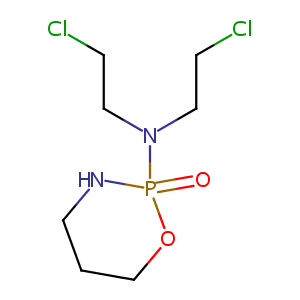
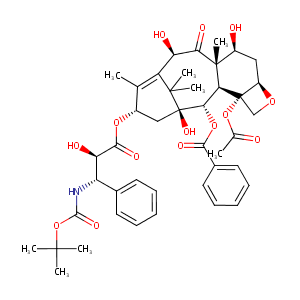
Cyclophosphamide Docetaxel
Indication
Disease Entry Status REF
Neutropenia Phase 1 [1]
Component Drugs Cyclophosphamide   DM4O2Z7 Docetaxel   DMDI269
Small molecular drug Small molecular drug
2D MOL 2D MOL
3D MOL 3D MOL

Molecular Interaction Atlas of This Drug Combination

Molecular Interaction Atlas (MIA)
Indication(s) of Cyclophosphamide
Disease Entry ICD 11 Status REF
Advanced cancer 2A00-2F9Z Approved [2]
Central nervous system neoplasm N.A. Approved [2]
Glioblastoma 2A00 Approved [2]
Immunodeficiency 4A00-4A85 Approved [2]
Inflammatory breast cancer 2C62 Approved [2]
Lupus nephritis 4A40.0Y Approved [2]
Lymphoma 2A80-2A86 Approved [2]
Multiple sclerosis 8A40 Approved [2]
Mycosis fungoides 2B01 Approved [2]
Plasma cell myeloma 2A83.1 Approved [2]
Solid tumour/cancer 2A00-2F9Z Approved [3]
Classic Hodgkin lymphoma N.A. Investigative [2]
Neuroblastoma 2D11.2 Investigative [2]
Retinoblastoma 2D02.2 Investigative [2]
Scleroderma 4A42 Investigative [2]
Cyclophosphamide Interacts with 1 DTT Molecule(s)
DTT Name DTT ID UniProt ID Mode of Action REF
Human Deoxyribonucleic acid (hDNA) TTUTN1I NOUNIPROTAC Modulator [12]
------------------------------------------------------------------------------------
Cyclophosphamide Interacts with 1 DTP Molecule(s)
DTP Name DTP ID UniProt ID Mode of Action REF
Multidrug resistance-associated protein 4 (ABCC4) DTCSGPB MRP4_HUMAN Substrate [13]
------------------------------------------------------------------------------------
Cyclophosphamide Interacts with 8 DME Molecule(s)
DME Name DME ID UniProt ID Mode of Action REF
Cytochrome P450 3A4 (CYP3A4) DE4LYSA CP3A4_HUMAN Metabolism [14]
Cytochrome P450 2A6 (CYP2A6) DEJVYAZ CP2A6_HUMAN Metabolism [15]
Cytochrome P450 3A7 (CYP3A7) DERD86B CP3A7_HUMAN Metabolism [16]
Cytochrome P450 2C18 (CYP2C18) DEZMWRE CP2CI_HUMAN Metabolism [15]
Cytochrome P450 2C8 (CYP2C8) DES5XRU CP2C8_HUMAN Metabolism [17]
Cytochrome P450 2C9 (CYP2C9) DE5IED8 CP2C9_HUMAN Metabolism [18]
Cytochrome P450 2B6 (CYP2B6) DEPKLMQ CP2B6_HUMAN Metabolism [19]
Mephenytoin 4-hydroxylase (CYP2C19) DEGTFWK CP2CJ_HUMAN Metabolism [20]
------------------------------------------------------------------------------------
⏷ Show the Full List of 8 DME(s)
Cyclophosphamide Interacts with 162 DOT Molecule(s)
DOT Name DOT ID UniProt ID Mode of Action REF
Actin, cytoplasmic 1 (ACTB) OT1MCP2F ACTB_HUMAN Decreases Expression [21]
Band 4.1-like protein 2 (EPB41L2) OT6UABPM E41L2_HUMAN Decreases Expression [22]
Receptor activity-modifying protein 1 (RAMP1) OT7UT2XB RAMP1_HUMAN Increases Expression [22]
Cystatin-F (CST7) OTQWZUVQ CYTF_HUMAN Decreases Expression [22]
Kelch repeat and BTB domain-containing protein 11 (KBTBD11) OTBOY3WH KBTBB_HUMAN Decreases Expression [22]
Aldehyde dehydrogenase, mitochondrial (ALDH2) OTKJ9I3N ALDH2_HUMAN Increases Expression [22]
Tyrosine-protein kinase Fyn (FYN) OTLSLVZS FYN_HUMAN Increases Expression [22]
SPARC (SPARC) OTPN90H0 SPRC_HUMAN Increases Expression [22]
Non-secretory ribonuclease (RNASE2) OT8Z4FNE RNAS2_HUMAN Decreases Expression [22]
Transcriptional regulator ERG (ERG) OTOTX9VU ERG_HUMAN Increases Expression [22]
Cytochrome c oxidase subunit 7A2, mitochondrial (COX7A2) OTVT146E CX7A2_HUMAN Decreases Expression [22]
Methylated-DNA--protein-cysteine methyltransferase (MGMT) OT40A9WH MGMT_HUMAN Decreases Expression [22]
Bactericidal permeability-increasing protein (BPI) OTNN9LJ5 BPI_HUMAN Decreases Expression [22]
Interferon-induced GTP-binding protein Mx2 (MX2) OT05NF37 MX2_HUMAN Decreases Expression [22]
Myeloblastin (PRTN3) OT72MHP7 PRTN3_HUMAN Decreases Expression [22]
Protein S100-P (S100P) OTJCXNJG S100P_HUMAN Decreases Expression [22]
Transmembrane 4 L6 family member 1 (TM4SF1) OTY0ECQN T4S1_HUMAN Increases Expression [22]
Intercellular adhesion molecule 3 (ICAM3) OTTZ5A5D ICAM3_HUMAN Decreases Expression [22]
Glycine receptor subunit beta (GLRB) OTF37UG4 GLRB_HUMAN Increases Expression [22]
Ras-related protein R-Ras2 (RRAS2) OT83NCEB RRAS2_HUMAN Increases Expression [22]
Bcl-2-interacting killer (BIK) OTTH1T3D BIK_HUMAN Decreases Expression [22]
Pleckstrin homology-like domain family A member 2 (PHLDA2) OTMV9DPP PHLA2_HUMAN Increases Expression [22]
Testis-expressed protein 30 (TEX30) OT87WEPQ TEX30_HUMAN Decreases Expression [22]
Ras-related GTP-binding protein A (RRAGA) OTKISLG4 RRAGA_HUMAN Decreases Expression [22]
Cilium assembly protein DZIP1 (DZIP1) OTBVPO66 DZIP1_HUMAN Increases Expression [22]
RNA-binding protein with multiple splicing (RBPMS) OT1RDKR9 RBPMS_HUMAN Increases Expression [22]
Membrane-spanning 4-domains subfamily A member 3 (MS4A3) OT0CEJOO MS4A3_HUMAN Decreases Expression [22]
Rho GTPase-activating protein 7 (DLC1) OTP8LMCR RHG07_HUMAN Increases Expression [22]
MyoD family inhibitor domain-containing protein (MDFIC) OTSRYBWZ MDFIC_HUMAN Decreases Expression [22]
Guanine nucleotide-binding protein G(I)/G(S)/G(O) subunit gamma-12 (GNG12) OTOGF42G GBG12_HUMAN Increases Expression [22]
Cyclic AMP-dependent transcription factor ATF-5 (ATF5) OT03QCLM ATF5_HUMAN Decreases Expression [22]
PALM2-AKAP2 fusion protein (PALM2AKAP2) OTI618VF PLAK2_HUMAN Increases Expression [22]
Dihydropyrimidinase-related protein 4 (DPYSL4) OT3SBS2S DPYL4_HUMAN Increases Expression [7]
Integral membrane protein GPR137B (GPR137B) OT1CINQQ G137B_HUMAN Increases Expression [7]
Glutaminase kidney isoform, mitochondrial (GLS) OTGOZG2M GLSK_HUMAN Increases Expression [7]
Ubiquitin-like protein ISG15 (ISG15) OT53QQ7N ISG15_HUMAN Increases Expression [7]
Stomatin (STOM) OTC8R6EH STOM_HUMAN Increases Expression [7]
Cellular retinoic acid-binding protein 2 (CRABP2) OTY01V9G RABP2_HUMAN Increases Expression [7]
Tyrosine-protein kinase receptor UFO (AXL) OTKA2SUX UFO_HUMAN Increases Expression [7]
14-3-3 protein sigma (SFN) OTLJCZ1U 1433S_HUMAN Increases Expression [7]
Cyclin-dependent kinase inhibitor 1 (CDKN1A) OTQWHCZE CDN1A_HUMAN Increases Expression [7]
Tumor necrosis factor ligand superfamily member 9 (TNFSF9) OTV9L89D TNFL9_HUMAN Increases Expression [7]
Galectin-7 (LGALS7) OTMSVI7R LEG7_HUMAN Increases Expression [7]
Rho GDP-dissociation inhibitor 2 (ARHGDIB) OT9PD6CS GDIR2_HUMAN Increases Expression [7]
Epithelial membrane protein 1 (EMP1) OTSZHUHQ EMP1_HUMAN Increases Expression [7]
Epithelial membrane protein 3 (EMP3) OTODMJ1D EMP3_HUMAN Increases Expression [7]
Protein ripply3 (RIPPLY3) OT1HK35I DSCR6_HUMAN Increases Expression [7]
Pro-neuregulin-1, membrane-bound isoform (NRG1) OTZO6F1X NRG1_HUMAN Increases Expression [7]
Laminin subunit gamma-2 (LAMC2) OTJMTM72 LAMC2_HUMAN Increases Expression [7]
Filamin-C (FLNC) OT3F8J6Y FLNC_HUMAN Increases Expression [7]
Immediate early response gene 5 protein (IER5) OTJPTXMD IER5_HUMAN Increases Expression [7]
Keratin, type II cytoskeletal 80 (KRT80) OTAU54U3 K2C80_HUMAN Increases Expression [7]
Neuropilin and tolloid-like protein 2 (NETO2) OT0YAMC0 NETO2_HUMAN Increases Expression [7]
UDP-GalNAc:beta-1,3-N-acetylgalactosaminyltransferase 2 (B3GALNT2) OTOF6O2B B3GL2_HUMAN Increases Expression [7]
Phospholipase ABHD3 (ABHD3) OTH8P977 ABHD3_HUMAN Increases Expression [7]
Tumor necrosis factor receptor superfamily member 14 (TNFRSF14) OTB82PFO TNR14_HUMAN Increases Expression [7]
Major histocompatibility complex class I-related gene protein (MR1) OTZU3XX7 HMR1_HUMAN Increases Expression [7]
Tumor necrosis factor receptor superfamily member 27 (EDA2R) OTJLAIIH TNR27_HUMAN Increases Expression [7]
Stathmin-3 (STMN3) OT20F289 STMN3_HUMAN Increases Expression [7]
Solute carrier family 2, facilitated glucose transporter member 6 (SLC2A6) OTVUZCLG GTR6_HUMAN Increases Expression [7]
Endothelial protein C receptor (PROCR) OTRHED17 EPCR_HUMAN Increases Expression [7]
Interferon-related developmental regulator 1 (IFRD1) OT4SQMLQ IFRD1_HUMAN Decreases Expression [8]
Kinesin-like protein KIF21B (KIF21B) OTFXFIU3 KI21B_HUMAN Decreases Expression [8]
Large neutral amino acids transporter small subunit 3 (SLC43A1) OTQJQY3S LAT3_HUMAN Decreases Expression [8]
Cystatin-A (CSTA) OT1K68KE CYTA_HUMAN Decreases Expression [8]
Amino acid transporter heavy chain SLC3A2 (SLC3A2) OTBR33M9 4F2_HUMAN Decreases Expression [8]
Bifunctional methylenetetrahydrofolate dehydrogenase/cyclohydrolase, mitochondrial (MTHFD2) OT1LQSGX MTDC_HUMAN Decreases Expression [8]
Protein EVI2A (EVI2A) OTR8RUXQ EVI2A_HUMAN Decreases Expression [8]
Tumor necrosis factor receptor superfamily member 6 (FAS) OTP9XG86 TNR6_HUMAN Decreases Expression [8]
DnaJ homolog subfamily B member 1 (DNAJB1) OTCOSEVH DNJB1_HUMAN Increases Expression [8]
DNA damage-inducible transcript 3 protein (DDIT3) OTI8YKKE DDIT3_HUMAN Decreases Expression [8]
Radiation-inducible immediate-early gene IEX-1 (IER3) OTZJI5FZ IEX1_HUMAN Decreases Expression [8]
Cysteine--tRNA ligase, cytoplasmic (CARS1) OTOUZF6O SYCC_HUMAN Decreases Expression [8]
Sestrin-2 (SESN2) OT889IXY SESN2_HUMAN Decreases Expression [8]
Hydroxymethylglutaryl-CoA synthase, cytoplasmic (HMGCS1) OTCO26FV HMCS1_HUMAN Increases Expression [8]
Transmembrane protein 267 (TMEM267) OTEAAVK7 TM267_HUMAN Decreases Expression [8]
Baculoviral IAP repeat-containing protein 3 (BIRC3) OT3E95KB BIRC3_HUMAN Decreases Expression [8]
Isopentenyl-diphosphate Delta-isomerase 1 (IDI1) OTGM06VJ IDI1_HUMAN Increases Expression [8]
Nuclear receptor coactivator 7 (NCOA7) OT2CNBOG NCOA7_HUMAN Decreases Expression [8]
Alanine aminotransferase 2 (GPT2) OTS5VF7N ALAT2_HUMAN Decreases Expression [8]
Nanos homolog 1 (NANOS1) OT3UNZZY NANO1_HUMAN Increases Expression [8]
Heat shock protein 105 kDa (HSPH1) OTVRR73T HS105_HUMAN Increases Expression [8]
Insulin gene enhancer protein ISL-2 (ISL2) OT43PD2V ISL2_HUMAN Decreases Expression [8]
E3 ubiquitin-protein ligase pellino homolog 1 (PELI1) OTMLBCLC PELI1_HUMAN Decreases Expression [8]
Centriolar and ciliogenesis-associated protein HYLS1 (HYLS1) OT3SW5UC HYLS1_HUMAN Decreases Expression [8]
Tribbles homolog 3 (TRIB3) OTG5OS7X TRIB3_HUMAN Decreases Expression [8]
Glutathione-specific gamma-glutamylcyclotransferase 1 (CHAC1) OTJGE772 CHAC1_HUMAN Decreases Expression [8]
Transmembrane 6 superfamily member 1 (TM6SF1) OTQR4I2N TM6S1_HUMAN Decreases Expression [8]
Protein FAM107B (FAM107B) OT5RG4J0 F107B_HUMAN Decreases Expression [8]
Lysine-rich coiled-coil protein 1 (KRCC1) OTMMV6WZ KRCC1_HUMAN Decreases Expression [8]
DnaJ homolog subfamily B member 4 (DNAJB4) OTUD01BK DNJB4_HUMAN Increases Expression [8]
SLAM family member 5 (CD84) OTAY5B0F SLAF5_HUMAN Increases Expression [8]
Nuclear factor erythroid 2-related factor 3 (NFE2L3) OT1MGXT0 NF2L3_HUMAN Decreases Expression [8]
Apoptotic protease-activating factor 1 (APAF1) OTJWIVY0 APAF_HUMAN Decreases Expression [9]
Growth arrest-specific protein 2 (GAS2) OT50JKXQ GAS2_HUMAN Increases Expression [23]
Slit homolog 1 protein (SLIT1) OT35RBNT SLIT1_HUMAN Decreases Expression [10]
DnaJ homolog subfamily B member 6 (DNAJB6) OTMHIIAN DNJB6_HUMAN Increases Expression [23]
Nuclear receptor subfamily 1 group I member 2 (NR1I2) OTC5U0N5 NR1I2_HUMAN Increases Activity [24]
Follitropin subunit beta (FSHB) OTGLS283 FSHB_HUMAN Increases Expression [25]
Thymidine kinase, cytosolic (TK1) OTY5JFM1 KITH_HUMAN Increases Mutagenesis [26]
ATP-dependent translocase ABCB1 (ABCB1) OTEJROBO MDR1_HUMAN Increases Expression [24]
Poly polymerase 1 (PARP1) OT310QSG PARP1_HUMAN Increases Cleavage [27]
Interleukin-8 (CXCL8) OTS7T5VH IL8_HUMAN Increases Expression [28]
Histone H2AX (H2AX) OT18UX57 H2AX_HUMAN Increases Phosphorylation [29]
Natriuretic peptides B (NPPB) OTSN2IPY ANFB_HUMAN Increases Expression [30]
Troponin I, cardiac muscle (TNNI3) OT65E12V TNNI3_HUMAN Increases Expression [30]
Tumor necrosis factor alpha-induced protein 3 (TNFAIP3) OTVLI4DD TNAP3_HUMAN Increases Expression [31]
Growth arrest and DNA damage-inducible protein GADD45 alpha (GADD45A) OTDRV63V GA45A_HUMAN Increases Expression [9]
Endothelin receptor type B (EDNRB) OTLLZV3P EDNRB_HUMAN Increases Expression [10]
Insulin-like growth factor-binding protein 5 (IGFBP5) OTRE5V0C IBP5_HUMAN Decreases Expression [10]
Proteasome subunit alpha type-5 (PSMA5) OT38E6Y1 PSA5_HUMAN Increases Expression [23]
HLA class I histocompatibility antigen, alpha chain F (HLA-F) OT76CM19 HLAF_HUMAN Increases Expression [10]
Phospholipid hydroperoxide glutathione peroxidase GPX4 (GPX4) OTRAFFX2 GPX4_HUMAN Increases Expression [23]
Cytosolic purine 5'-nucleotidase (NT5C2) OTJMF66Z 5NTC_HUMAN Increases Expression [10]
Tumor protein D52 (TPD52) OTPKSK43 TPD52_HUMAN Decreases Expression [31]
Potassium voltage-gated channel subfamily KQT member 4 (KCNQ4) OT29B58J KCNQ4_HUMAN Decreases Expression [10]
Heterogeneous nuclear ribonucleoprotein K (HNRNPK) OTNPRM8U HNRPK_HUMAN Increases Expression [23]
Protein BTG2 (BTG2) OTZF6K1H BTG2_HUMAN Increases Expression [9]
Calicin (CCIN) OTRFZOT0 CALI_HUMAN Increases Expression [23]
Programmed cell death protein 4 (PDCD4) OTZ6NXUX PDCD4_HUMAN Decreases Expression [31]
Ribonucleoside-diphosphate reductase subunit M2 B (RRM2B) OTE8GBUR RIR2B_HUMAN Increases Expression [32]
Partitioning defective 3 homolog (PARD3) OTH5BPLO PARD3_HUMAN Decreases Expression [10]
GATOR1 complex protein NPRL2 (NPRL2) OTOB10MO NPRL2_HUMAN Decreases Expression [10]
F-box/WD repeat-containing protein 7 (FBXW7) OTJXE4OT FBXW7_HUMAN Increases Expression [9]
Rho guanine nucleotide exchange factor 26 (ARHGEF26) OTX0U8PX ARHGQ_HUMAN Increases Expression [10]
Polyadenylate-binding protein-interacting protein 1 (PAIP1) OTL2F5T5 PAIP1_HUMAN Decreases Expression [10]
Large subunit GTPase 1 homolog (LSG1) OTDAXJ9L LSG1_HUMAN Decreases Expression [10]
Glyoxalase domain-containing protein 4 (GLOD4) OTBJKFXA GLOD4_HUMAN Decreases Expression [10]
DNA-directed DNA/RNA polymerase mu (POLM) OT0SRIP4 DPOLM_HUMAN Increases Expression [10]
Ubiquitin-like-conjugating enzyme ATG3 (ATG3) OT28VBVK ATG3_HUMAN Decreases Expression [10]
Regulator of telomere elongation helicase 1 (RTEL1) OTI3PJCT RTEL1_HUMAN Increases Expression [23]
FK506-binding protein-like (FKBPL) OTR9ND6K FKBPL_HUMAN Increases Expression [33]
Mitochondrial pyruvate carrier 2 (MPC2) OT0GHXGG MPC2_HUMAN Affects Response To Substance [11]
Krueppel-like factor 5 (KLF5) OT1ABI9N KLF5_HUMAN Affects Response To Substance [11]
D-beta-hydroxybutyrate dehydrogenase, mitochondrial (BDH1) OT62RL5P BDH_HUMAN Affects Response To Substance [11]
Melanoma-associated antigen D1 (MAGED1) OT6EOLFC MAGD1_HUMAN Affects Response To Substance [11]
Pro-adrenomedullin (ADM) OT7T0TA4 ADML_HUMAN Affects Response To Substance [11]
Peptidyl-prolyl cis-trans isomerase FKBP1B (FKBP1B) OT8CMPB2 FKB1B_HUMAN Affects Response To Substance [11]
L-lactate dehydrogenase B chain (LDHB) OT9B1CT3 LDHB_HUMAN Affects Response To Substance [11]
Epsilon-sarcoglycan (SGCE) OT9F17JB SGCE_HUMAN Affects Response To Substance [11]
Aldehyde dehydrogenase, dimeric NADP-preferring (ALDH3A1) OTAYZZE6 AL3A1_HUMAN Affects Response To Substance [34]
Insulin-like growth factor 2 mRNA-binding protein 3 (IGF2BP3) OTB97VIK IF2B3_HUMAN Affects Response To Substance [11]
Cochlin (COCH) OTBEHD89 COCH_HUMAN Affects Response To Substance [11]
Fibronectin type III domain-containing protein 3B (FNDC3B) OTBILGDR FND3B_HUMAN Affects Response To Substance [11]
Tropomyosin alpha-1 chain (TPM1) OTD73X6R TPM1_HUMAN Affects Response To Substance [11]
Very long chain fatty acid elongase 2 (ELOVL2) OTDAF6U3 ELOV2_HUMAN Affects Response To Substance [11]
Protein AF1q (MLLT11) OTG5RVHC AF1Q_HUMAN Decreases Response To Substance [35]
Troponin I, fast skeletal muscle (TNNI2) OTGGZFSC TNNI2_HUMAN Increases ADR [6]
Tomoregulin-1 (TMEFF1) OTH6M3CH TEFF1_HUMAN Affects Response To Substance [11]
DNA damage-inducible transcript 4 protein (DDIT4) OTHY8SY4 DDIT4_HUMAN Affects Response To Substance [11]
Superoxide dismutase , mitochondrial (SOD2) OTIWXGZ9 SODM_HUMAN Affects Response To Substance [36]
Heat shock cognate 71 kDa protein (HSPA8) OTJI2RCI HSP7C_HUMAN Affects Response To Substance [11]
Nidogen-1 (NID1) OTKLBLS6 NID1_HUMAN Affects Response To Substance [11]
Homeobox protein Hox-A1 (HOXA1) OTMSOJ7D HXA1_HUMAN Affects Response To Substance [11]
Trypsin-3 (PRSS3) OTN3S5YB TRY3_HUMAN Affects Response To Substance [11]
Melanoma-associated antigen D4 (MAGED4B) OTO37U7W MAGD4_HUMAN Affects Response To Substance [11]
Opsin-3 (OPN3) OTON6BFU OPN3_HUMAN Affects Response To Substance [11]
Heat shock-related 70 kDa protein 2 (HSPA2) OTSDET7B HSP72_HUMAN Affects Response To Substance [11]
Max-interacting protein 1 (MXI1) OTUQ9E0D MXI1_HUMAN Affects Response To Substance [11]
Glycogen debranching enzyme (AGL) OTWBM7WY GDE_HUMAN Affects Response To Substance [11]
Myosin-10 (MYH10) OTXN2WXS MYH10_HUMAN Affects Response To Substance [11]
Sal-like protein 1 (SALL1) OTYYZGLH SALL1_HUMAN Affects Response To Substance [11]
------------------------------------------------------------------------------------
⏷ Show the Full List of 162 DOT(s)
Indication(s) of Docetaxel
Disease Entry ICD 11 Status REF
Advanced cancer 2A00-2F9Z Approved [4]
Breast carcinoma N.A. Approved [4]
Head and neck cancer 2D42 Approved [4]
Leiomyosarcoma 2B58 Approved [4]
Lung cancer 2C25.0 Approved [4]
Non-small-cell lung cancer 2C25.Y Approved [4]
Prostate adenocarcinoma N.A. Approved [4]
Prostate cancer 2C82.0 Approved [4]
Solid tumour/cancer 2A00-2F9Z Approved [5]
Urinary system neoplasm N.A. Approved [4]
Gastric cancer 2B72 Investigative [4]
Docetaxel Interacts with 1 DTT Molecule(s)
DTT Name DTT ID UniProt ID Mode of Action REF
Tubulin (TUB) TTML2WA NOUNIPROTAC Inhibitor [40]
------------------------------------------------------------------------------------
Docetaxel Interacts with 8 DTP Molecule(s)
DTP Name DTP ID UniProt ID Mode of Action REF
Multidrug resistance-associated protein 1 (ABCC1) DTSYQGK MRP1_HUMAN Substrate [41]
Multidrug resistance-associated protein 2 (ABCC2) DTFI42L MRP2_HUMAN Substrate [42]
P-glycoprotein 1 (ABCB1) DTUGYRD MDR1_HUMAN Substrate [43]
Breast cancer resistance protein (ABCG2) DTI7UX6 ABCG2_HUMAN Substrate [44]
Organic anion transporting polypeptide 1B1 (SLCO1B1) DT3D8F0 SO1B1_HUMAN Substrate [45]
Organic anion transporting polypeptide 1B3 (SLCO1B3) DT9C1TS SO1B3_HUMAN Substrate [46]
TAP-like protein (ABCB9) DT68UV2 ABCB9_HUMAN Substrate [47]
Multidrug resistance-associated protein 7 (ABCC10) DTPS120 MRP7_HUMAN Substrate [48]
------------------------------------------------------------------------------------
⏷ Show the Full List of 8 DTP(s)
Docetaxel Interacts with 3 DME Molecule(s)
DME Name DME ID UniProt ID Mode of Action REF
Cytochrome P450 3A4 (CYP3A4) DE4LYSA CP3A4_HUMAN Metabolism [49]
Cytochrome P450 3A5 (CYP3A5) DEIBDNY CP3A5_HUMAN Metabolism [50]
Cytochrome P450 3A7 (CYP3A7) DERD86B CP3A7_HUMAN Metabolism [50]
------------------------------------------------------------------------------------
Docetaxel Interacts with 41 DOT Molecule(s)
DOT Name DOT ID UniProt ID Mode of Action REF
ATP-dependent translocase ABCB1 (ABCB1) OTEJROBO MDR1_HUMAN Increases Response To Substance [51]
Tumor necrosis factor receptor superfamily member 10A (TNFRSF10A) OTBPCU2O TR10A_HUMAN Increases Expression [52]
Tumor necrosis factor receptor superfamily member 10B (TNFRSF10B) OTA1CPBV TR10B_HUMAN Increases Expression [52]
Bcl-2-like protein 11 (BCL2L11) OTNQQWFJ B2L11_HUMAN Increases Degradation [53]
Nuclear receptor subfamily 1 group I member 2 (NR1I2) OTC5U0N5 NR1I2_HUMAN Increases Activity [24]
RAF proto-oncogene serine/threonine-protein kinase (RAF1) OT51LSFO RAF1_HUMAN Increases Expression [54]
Transcription factor Jun (JUN) OTCYBO6X JUN_HUMAN Increases Phosphorylation [55]
Keratin, type I cytoskeletal 18 (KRT18) OTVLQFIP K1C18_HUMAN Increases Expression [56]
Poly polymerase 1 (PARP1) OT310QSG PARP1_HUMAN Increases Cleavage [55]
Histone H2AX (H2AX) OT18UX57 H2AX_HUMAN Increases Expression [57]
Natriuretic peptides B (NPPB) OTSN2IPY ANFB_HUMAN Increases Expression [58]
Growth arrest and DNA damage-inducible protein GADD45 alpha (GADD45A) OTDRV63V GA45A_HUMAN Decreases Expression [59]
Tumor necrosis factor receptor superfamily member 6 (FAS) OTP9XG86 TNR6_HUMAN Increases Expression [60]
Mitogen-activated protein kinase 3 (MAPK3) OTCYKGKO MK03_HUMAN Increases Phosphorylation [54]
Mitogen-activated protein kinase 1 (MAPK1) OTH85PI5 MK01_HUMAN Increases Phosphorylation [54]
Cyclin-dependent kinase inhibitor 1 (CDKN1A) OTQWHCZE CDN1A_HUMAN Decreases Expression [59]
Cyclin-dependent kinase inhibitor 2A (CDKN2A) OTN0ZWAE CDN2A_HUMAN Decreases Expression [61]
Bcl-2 homologous antagonist/killer (BAK1) OTDP6ILW BAK_HUMAN Increases Activity [53]
Bcl2-associated agonist of cell death (BAD) OT63ERYM BAD_HUMAN Decreases Phosphorylation [53]
ELL-associated factor 2 (EAF2) OTSOET5L EAF2_HUMAN Decreases Expression [59]
Small integral membrane protein 14 (SMIM14) OT47IF19 SIM14_HUMAN Decreases Expression [59]
Protein FAM117A (FAM117A) OT2FBGGV F117A_HUMAN Decreases Expression [59]
Tumor necrosis factor receptor superfamily member 19 (TNFRSF19) OTTVT4MB TNR19_HUMAN Decreases Expression [59]
Tropomodulin-2 (TMOD2) OTTTUH2W TMOD2_HUMAN Decreases Expression [59]
Flavin-containing monooxygenase 3 (FMO3) OT1G2EV3 FMO3_HUMAN Affects Response To Substance [62]
Kinesin heavy chain isoform 5A (KIF5A) OT3ETTI6 KIF5A_HUMAN Decreases Response To Substance [63]
Regulator of G-protein signaling 17 (RGS17) OT5RVUDS RGS17_HUMAN Increases Response To Substance [64]
Mitotic checkpoint serine/threonine-protein kinase BUB1 beta (BUB1B) OT8KME51 BUB1B_HUMAN Affects Response To Substance [65]
Baculoviral IAP repeat-containing protein 5 (BIRC5) OTILXZYL BIRC5_HUMAN Decreases Response To Substance [66]
Superoxide dismutase , mitochondrial (SOD2) OTIWXGZ9 SODM_HUMAN Decreases Response To Substance [67]
Receptor tyrosine-protein kinase erbB-2 (ERBB2) OTOAUNCK ERBB2_HUMAN Increases Response To Substance [68]
Kinesin-like protein KIFC3 (KIFC3) OTOPD4QO KIFC3_HUMAN Decreases Response To Substance [63]
Regulator of G-protein signaling 10 (RGS10) OTQ8N1QH RGS10_HUMAN Increases Response To Substance [64]
E3 ubiquitin-protein ligase CHFR (CHFR) OTRAD2TT CHFR_HUMAN Decreases Response To Substance [69]
Bcl-2-like protein 1 (BCL2L1) OTRC5K9O B2CL1_HUMAN Decreases Response To Substance [70]
Kinesin-like protein KIF12 (KIF12) OTTALNDD KIF12_HUMAN Decreases Response To Substance [63]
Flavin-containing monooxygenase 2 (FMO2) OTUJUL9S FMO2_HUMAN Affects Response To Substance [62]
Kinesin-like protein KIF14 (KIF14) OTXHT4JM KIF14_HUMAN Decreases Response To Substance [71]
Mitotic spindle assembly checkpoint protein MAD2A (MAD2L1) OTXNGZCG MD2L1_HUMAN Affects Response To Substance [65]
Cellular retinoic acid-binding protein 2 (CRABP2) OTY01V9G RABP2_HUMAN Affects Response To Substance [72]
ATP-binding cassette sub-family C member 6 (ABCC6) OTZT0LKT MRP6_HUMAN Affects Response To Substance [62]
------------------------------------------------------------------------------------
⏷ Show the Full List of 41 DOT(s)

Test Results of This Drug Combination in Other Disease Systems

Indication DrugCom ID Cell Line Status REF
Breast Cancer DCSD3XA N. A. Phase 3 [73]
Breast Cancer DCATK50 N. A. Phase 1 [74]
Breast Cancer DCU9D0Y N. A. Phase 1 [74]
Breast Cancer DCD72UI N. A. Phase 1 [75]
------------------------------------------------------------------------------------

References

1 ClinicalTrials.gov (NCT04187898) Open-Label, Phase 1 Study to Evaluate Duration of Severe Neutropenia After Same-Day Dosing of Eflapegrastim in Patients With Breast-Cancer
2 Cyclophosphamide FDA Label
3 URL: http://www.guidetopharmacology.org Nucleic Acids Res. 2015 Oct 12. pii: gkv1037. The IUPHAR/BPS Guide to PHARMACOLOGY in 2016: towards curated quantitative interactions between 1300 protein targets and 6000 ligands. (Ligand id: 7154).
4 Docetaxel FDA Label
5 URL: http://www.guidetopharmacology.org Nucleic Acids Res. 2015 Oct 12. pii: gkv1037. The IUPHAR/BPS Guide to PHARMACOLOGY in 2016: towards curated quantitative interactions between 1300 protein targets and 6000 ligands. (Ligand id: 6809).
6 ADReCS-Target: target profiles for aiding drug safety research and application. Nucleic Acids Res. 2018 Jan 4;46(D1):D911-D917. doi: 10.1093/nar/gkx899.
7 Genomic profiling uncovers a molecular pattern for toxicological characterization of mutagens and promutagens in vitro. Toxicol Sci. 2011 Jul;122(1):185-97.
8 Transcriptome-based functional classifiers for direct immunotoxicity. Arch Toxicol. 2014 Mar;88(3):673-89.
9 Comparison of Drug Metabolism and Its Related Hepatotoxic Effects in HepaRG, Cryopreserved Human Hepatocytes, and HepG2 Cell Cultures. Biol Pharm Bull. 2018 May 1;41(5):722-732. doi: 10.1248/bpb.b17-00913. Epub 2018 Feb 14.
10 Effect of nephrotoxicants and hepatotoxicants on gene expression profile in human peripheral blood mononuclear cells. Biochem Biophys Res Commun. 2010 Oct 15;401(2):245-50. doi: 10.1016/j.bbrc.2010.09.039. Epub 2010 Sep 16.
11 Gene expression profiling of 30 cancer cell lines predicts resistance towards 11 anticancer drugs at clinically achieved concentrations. Int J Cancer. 2006 Apr 1;118(7):1699-712. doi: 10.1002/ijc.21570.
12 O6-methylguanine-DNA methyltransferase activity and sensitivity to cyclophosphamide and cisplatin in human lung tumor xenografts. Int J Cancer. 1998 Sep 11;77(6):919-22.
13 Interaction of oxazaphosphorines with multidrug resistance-associated protein 4 (MRP4). AAPS J. 2010 Sep;12(3):300-8.
14 Effects of ketoconazole on cyclophosphamide metabolism: evaluation of CYP3A4 inhibition effect using the in vitro and in vivo models. Exp Anim. 2018 Feb 9;67(1):71-82.
15 Development of a substrate-activity based approach to identify the major human liver P-450 catalysts of cyclophosphamide and ifosfamide activation based on cDNA-expressed activities and liver microsomal P-450 profiles. Drug Metab Dispos. 1999 Jun;27(6):655-66.
16 Summary of information on human CYP enzymes: human P450 metabolism data. Drug Metab Rev. 2002 Feb-May;34(1-2):83-448.
17 Enhanced cyclophosphamide and ifosfamide activation in primary human hepatocyte cultures: response to cytochrome P-450 inducers and autoinduction by oxazaphosphorines. Cancer Res. 1997 May 15;57(10):1946-54.
18 CYP2C9 polymorphisms in human tumors. Anticancer Res. 2006 Jan-Feb;26(1A):299-305.
19 The effect of cyclophosphamide with and without dexamethasone on cytochrome P450 3A4 and 2B6 in human hepatocytes. Drug Metab Dispos. 2002 Jul;30(7):814-22.
20 Cytochrome P450 pharmacogenetics and cancer. Oncogene. 2006 Mar 13;25(11):1679-91.
21 Effect of cyclophosphamide on gene expression of cytochromes p450 and beta-actin in the HL-60 cell line. Eur J Pharmacol. 2002 Aug 9;449(3):197-205.
22 Comparative gene expression analysis of a chronic myelogenous leukemia cell line resistant to cyclophosphamide using oligonucleotide arrays and response to tyrosine kinase inhibitors. Leuk Res. 2007 Nov;31(11):1511-20.
23 Chronic cyclophosphamide exposure alters the profile of rat sperm nuclear matrix proteins. Biol Reprod. 2007 Aug;77(2):303-11. doi: 10.1095/biolreprod.107.060244. Epub 2007 May 2.
24 PXR-mediated induction of P-glycoprotein by anticancer drugs in a human colon adenocarcinoma-derived cell line. Cancer Chemother Pharmacol. 2010 Sep;66(4):765-71. doi: 10.1007/s00280-009-1221-4. Epub 2009 Dec 30.
25 Suppression of spermatogenesis in patients with Beh?et's disease treated with cyclophosphamide and colchicine. Fertil Steril. 1981 Jul;36(1):76-80. doi: 10.1016/s0015-0282(16)45622-0.
26 Development of an integrated assay in human TK6 cells to permit comprehensive genotoxicity analysis in vitro. Mutat Res Genet Toxicol Environ Mutagen. 2020 Jan;849:503129. doi: 10.1016/j.mrgentox.2019.503129. Epub 2019 Dec 27.
27 Bortezomib is synergistic with rituximab and cyclophosphamide in inducing apoptosis of mantle cell lymphoma cells in vitro and in vivo. Leukemia. 2008 Jan;22(1):179-85. doi: 10.1038/sj.leu.2404959. Epub 2007 Sep 27.
28 Profiling the immunotoxicity of chemicals based on in vitro evaluation by a combination of the Multi-ImmunoTox assay and the IL-8 Luc assay. Arch Toxicol. 2018 Jun;92(6):2043-2054. doi: 10.1007/s00204-018-2199-7. Epub 2018 Mar 29.
29 Distinct Orchestration and Dynamic Processes on -H2AX and p-H3 for Two Major Types of Genotoxic Chemicals Revealed by Mass Spectrometry Analysis. Chem Res Toxicol. 2020 Aug 17;33(8):2108-2119. doi: 10.1021/acs.chemrestox.0c00104. Epub 2020 Jun 17.
30 Cardiac toxicity of high-dose cyclophosphamide in patients with multiple myeloma undergoing autologous hematopoietic stem cell transplantation. Int J Hematol. 2007 Jun;85(5):408-14. doi: 10.1532/IJH97.E0620.
31 Human embryonic stem cell derived hepatocyte-like cells as a tool for in vitro hazard assessment of chemical carcinogenicity. Toxicol Sci. 2011 Dec;124(2):278-90. doi: 10.1093/toxsci/kfr225. Epub 2011 Aug 27.
32 Validation of a genotoxicity test based on p53R2 gene expression in human lymphoblastoid cells. Mutat Res. 2011 Sep 18;724(1-2):76-85. doi: 10.1016/j.mrgentox.2011.06.003. Epub 2011 Jun 17.
33 The differential effects of cyclophosphamide, epirubicin and 5-fluorouracil on apoptotic marker (CPP-32), pro-apoptotic protein (p21(WAF-1)) and anti-apoptotic protein (bcl-2) in breast cancer cells. Breast Cancer Res Treat. 2003 Aug;80(3):239-44. doi: 10.1023/A:1024995202135.
34 Relations between polymorphisms in drug-metabolising enzymes and toxicity of chemotherapy with cyclophosphamide, thiotepa and carboplatin. Pharmacogenet Genomics. 2008 Nov;18(11):1009-15. doi: 10.1097/FPC.0b013e328313aaa4.
35 The evaluation of Cannabidiol's effect on the immunotherapy of Burkitt lymphoma. Biochem Biophys Res Commun. 2019 Nov 26;520(1):225-230. doi: 10.1016/j.bbrc.2019.10.001. Epub 2019 Oct 3.
36 Manganese superoxide dismutase polymorphism, treatment-related toxicity and disease-free survival in SWOG 8897 clinical trial for breast cancer. Breast Cancer Res Treat. 2010 Nov;124(2):433-9. doi: 10.1007/s10549-010-0840-0. Epub 2010 Mar 23.
37 Synergistic effects of docetaxel and S-1 by modulating the expression of metabolic enzymes of 5-fluorouracil in human gastric cancer cell lines. Int J Cancer. 2006 Aug 15;119(4):783-91.
38 Induction of tubulin by docetaxel is associated with p53 status in human non small cell lung cancer cell lines. Int J Cancer. 2006 Jan 15;118(2):317-25. doi: 10.1002/ijc.21372.
39 Cyclooxygenase-2 inhibitor celecoxib augments chemotherapeutic drug-induced apoptosis by enhancing activation of caspase-3 and -9 in prostate cancer cells. Int J Cancer. 2005 Jun 20;115(3):484-92. doi: 10.1002/ijc.20878.
40 Docetaxel: a review of its use in metastatic breast cancer. Drugs. 2005;65(17):2513-31.
41 Human intestinal transporter database: QSAR modeling and virtual profiling of drug uptake, efflux and interactions. Pharm Res. 2013 Apr;30(4):996-1007.
42 Transport of diclofenac by breast cancer resistance protein (ABCG2) and stimulation of multidrug resistance protein 2 (ABCC2)-mediated drug transport by diclofenac and benzbromarone. Drug Metab Dispos. 2009 Jan;37(1):129-36.
43 Effect of ABCB1 C3435T polymorphism on docetaxel pharmacokinetics according to menopausal status in breast cancer patients. Br J Cancer. 2010 Aug 10;103(4):560-6.
44 Ixabepilone, a novel microtubule-targeting agent for breast cancer, is a substrate for P-glycoprotein (P-gp/MDR1/ABCB1) but not breast cancer resistance protein (BCRP/ABCG2). J Pharmacol Exp Ther. 2011 May;337(2):423-32.
45 FDA Drug Development and Drug Interactions
46 Rapid screening of antineoplastic candidates for the human organic anion transporter OATP1B3 substrates using fluorescent probes. Cancer Lett. 2008 Feb 18;260(1-2):163-9.
47 RNA-sequencing dissects the transcriptome of polyploid cancer cells that are resistant to combined treatments of cisplatin with paclitaxel and docetaxel. Mol Biosyst. 2017 Sep 26;13(10):2125-2134.
48 Modulation of the ATPase and transport activities of broad-acting multidrug resistance factor ABCC10 (MRP7). Cancer Res. 2012 Dec 15;72(24):6457-67.
49 Randomized pharmacokinetic and pharmacodynamic study of docetaxel: dosing based on body-surface area compared with individualized dosing based on cytochrome P450 activity estimated using a urinary metabolite of exogenous cortisol. J Clin Oncol. 2005 Feb 20;23(6):1061-9.
50 Drug Interactions Flockhart Table
51 Concise prediction models of anticancer efficacy of 8 drugs using expression data from 12 selected genes. Int J Cancer. 2004 Sep 10;111(4):617-26. doi: 10.1002/ijc.20289.
52 Pretreatment with paclitaxel enhances apo-2 ligand/tumor necrosis factor-related apoptosis-inducing ligand-induced apoptosis of prostate cancer cells by inducing death receptors 4 and 5 protein levels. Cancer Res. 2001 Jan 15;61(2):759-63.
53 Docetaxel-induced apoptosis of human melanoma is mediated by activation of c-Jun NH2-terminal kinase and inhibited by the mitogen-activated protein kinase extracellular signal-regulated kinase 1/2 pathway. Clin Cancer Res. 2007 Feb 15;13(4):1308-14. doi: 10.1158/1078-0432.CCR-06-2216.
54 Docetaxel induces p53-dependent apoptosis and synergizes with farnesyl transferase inhibitor r115777 in human epithelial cancer cells. Front Biosci. 2005 Sep 1;10:2566-75. doi: 10.2741/1720.
55 All-trans retinoic acid potentiates Taxotere-induced cell death mediated by Jun N-terminal kinase in breast cancer cells. Oncogene. 2004 Jan 15;23(2):426-33. doi: 10.1038/sj.onc.1207040.
56 Docetaxel induces apoptosis in hormone refractory prostate carcinomas during multiple treatment cycles. Br J Cancer. 2006 Jun 5;94(11):1592-8. doi: 10.1038/sj.bjc.6603129.
57 Replication-dependent -H2AX formation is involved in docetaxel-induced apoptosis in NSCLC A549 cells. Oncol Rep. 2010 Nov;24(5):1297-305. doi: 10.3892/or_00000986.
58 Docetaxel induced cardiotoxicity. Heart. 2001 Aug;86(2):219. doi: 10.1136/heart.86.2.219.
59 Development and validation of the TGx-HDACi transcriptomic biomarker to detect histone deacetylase inhibitors in human TK6 cells. Arch Toxicol. 2021 May;95(5):1631-1645. doi: 10.1007/s00204-021-03014-2. Epub 2021 Mar 26.
60 [The mechanism of docetaxel-induced apoptosis in human lung cancer cells]. Zhonghua Zhong Liu Za Zhi. 2000 May;22(3):208-11.
61 Azidothymidine and cisplatin increase p14ARF expression in OVCAR-3 ovarian cancer cell line. Toxicol Appl Pharmacol. 2006 Oct 1;216(1):89-97. doi: 10.1016/j.taap.2006.04.015. Epub 2006 May 19.
62 Pharmacogenomics variation in drug metabolizing enzymes and transporters in relation to docetaxel toxicity in Lebanese breast cancer patients: paving the way for OMICs in low and middle income countries. OMICS. 2013 Jul;17(7):353-67. doi: 10.1089/omi.2013.0019. Epub 2013 Jun 11.
63 Specific kinesin expression profiles associated with taxane resistance in basal-like breast cancer. Breast Cancer Res Treat. 2012 Feb;131(3):849-58. doi: 10.1007/s10549-011-1500-8. Epub 2011 Apr 9.
64 Regulators of G-Protein signaling RGS10 and RGS17 regulate chemoresistance in ovarian cancer cells. Mol Cancer. 2010 Nov 2;9:289. doi: 10.1186/1476-4598-9-289.
65 Mitotic checkpoint genes, hsMAD2 and BubR1, in oesophageal squamous cancer cells and their association with 5-fluorouracil and cisplatin-based radiochemotherapy. Clin Oncol (R Coll Radiol). 2008 Oct;20(8):639-46. doi: 10.1016/j.clon.2008.06.010. Epub 2008 Aug 8.
66 [Antisense RNA targeting survivin enhances the chemosensitivity of LOVO/Adr cells to taxotere]. Zhonghua Wei Chang Wai Ke Za Zhi. 2005 Sep;8(5):455-8.
67 Manganese superoxide dismutase is a promising target for enhancing chemosensitivity of basal-like breast carcinoma. Antioxid Redox Signal. 2014 May 20;20(15):2326-46. doi: 10.1089/ars.2013.5295. Epub 2013 Nov 14.
68 HER-2/neu as a predictive marker in a population of advanced breast cancer patients randomly treated either with single-agent doxorubicin or single-agent docetaxel. Breast Cancer Res Treat. 2004 Aug;86(3):197-206. doi: 10.1023/B:BREA.0000036783.88387.47.
69 Epigenetic inactivation of the CHFR gene in cervical cancer contributes to sensitivity to taxanes. Int J Oncol. 2007 Oct;31(4):713-20.
70 Differential effect of anti-apoptotic genes Bcl-xL and c-FLIP on sensitivity of MCF-7 breast cancer cells to paclitaxel and docetaxel. Anticancer Res. 2005 May-Jun;25(3c):2367-79.
71 KIF14 promotes AKT phosphorylation and contributes to chemoresistance in triple-negative breast cancer. Neoplasia. 2014 Mar;16(3):247-56, 256.e2. doi: 10.1016/j.neo.2014.03.008.
72 The prognostic gene CRABP2 affects drug sensitivity by regulating docetaxel-induced apoptosis in breast invasive carcinoma: A pan-cancer analysis. Chem Biol Interact. 2023 Mar 1;373:110372. doi: 10.1016/j.cbi.2023.110372. Epub 2023 Feb 2.
73 ClinicalTrials.gov (NCT00129935) EC Followed Docetaxel Versus ET Followed Capecitabine as Adjuvant Chemotherapy for Node Positive Operable Breast Cancer
74 ClinicalTrials.gov (NCT00432172) Selective Neoadjuvant Treatment According to Immunohistochemical Subtype for HER2 Negative Breast Cancer Patients
75 ClinicalTrials.gov (NCT00493870) TAC Versus TC for Adjuvant Breast Cancer